People and Languages
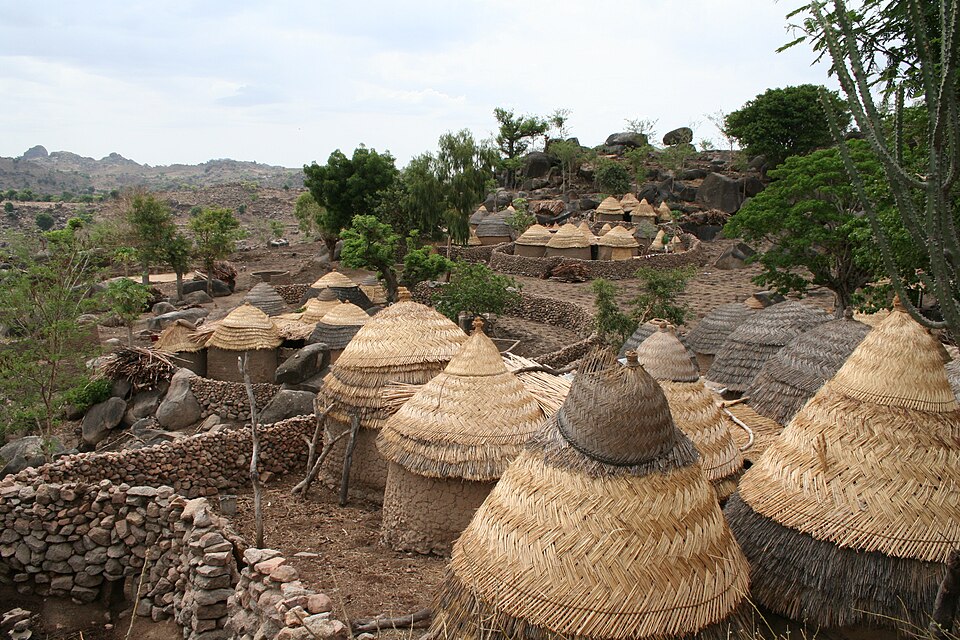
Nigeria is the most populous country in Africa, with roughly 220 million people, and the seventh-most populous country in the world. More than 500 ethnic groups live within its borders, each with their own traditions and languages. The three largest ethnic groups are the Hausa in the north, the Yoruba in the southwest, and the Igbo in the southeast. English is the official language because Nigeria was once a British colony, but most Nigerians also speak one or more local languages. Lagos, the largest city, is one of the biggest and fastest-growing cities in all of Africa.
History and Independence
For centuries, powerful kingdoms and empires thrived in the region that is now Nigeria. The Kingdom of Benin, which flourished from around the 1200s to the 1800s, was famous for its stunning bronze sculptures and well-organized government. In the north, the Hausa city-states and the Sokoto Caliphate were important centers of trade and Islamic learning. Britain gradually took control of the area during the 1800s and combined different regions into one colony. Nigeria gained its independence from Britain on October 1, 1960, and today Abuja serves as the nation’s capital.
Economy and Natural Resources
Nigeria is Africa’s largest oil exporter, and petroleum is the country’s most important source of income. Oil was discovered in the Niger Delta region in the 1950s, and today Nigeria is one of the top oil-producing nations in the world. Beyond oil, many Nigerians work in farming, growing crops like yams, cassava, cocoa, and palm oil. The country also has a growing technology industry, especially in Lagos, where many startups and tech companies have set up offices. Nigeria’s economy is the largest in Africa by gross domestic product.
Arts, Music, and Film
Nigeria has a thriving arts scene that reaches audiences around the world. Afrobeats, a style of popular music that blends West African rhythms with jazz, funk, and hip-hop, has become a global sensation with artists like Burna Boy and Wizkid. Nollywood, Nigeria’s film industry, is the second-largest in the world by the number of movies produced, after India’s Bollywood. Nigerian literature has also earned worldwide praise, with Wole Soyinka becoming the first African writer to win the Nobel Prize in Literature in 1986. Traditional arts like weaving, pottery, and mask-making remain important parts of Nigerian culture.
Wildlife and Nature
Nigeria is home to a wide variety of wildlife and natural habitats. The southern rainforests shelter gorillas, chimpanzees, and forest elephants, while the northern savannas are home to lions, hyenas, and antelopes. Cross River National Park in the southeast protects some of the last remaining Cross River gorillas, one of the most endangered great apes on Earth. The country’s wetlands and coastal mangroves provide important nesting grounds for migratory birds. However, deforestation and habitat loss are serious challenges that conservationists are working to address.
Culture and Daily Life
Nigerian culture is colorful, diverse, and full of celebration. Traditional festivals, such as the Durbar festival in the north and the Osun-Osogbo festival in the southwest, bring communities together with music, dancing, and elaborate costumes. Nigerian cuisine features dishes like jollof rice, pounded yam with egusi soup, and suya (spiced grilled meat), which reflect the country’s regional variety. Soccer is the most popular sport, and the national team, known as the Super Eagles, has competed in multiple FIFA World Cups. Family and community are central to Nigerian life, with extended families often living close together and supporting one another.
Fun Facts
Nigeria has the largest population of any African country and is projected to become the third-most populous nation in the world by 2050. The country has over 500 living languages, making it one of the most linguistically diverse places on Earth. Zuma Rock, a massive 725-meter-tall rock formation near Abuja, is sometimes called the “Gateway to Abuja” and appears on the Nigerian 100-naira banknote. Lagos produces more movies each year than Hollywood, earning Nigeria’s film industry the nickname Nollywood.
 OtterKnow Kids Encyclopedia