Geography and Landscape
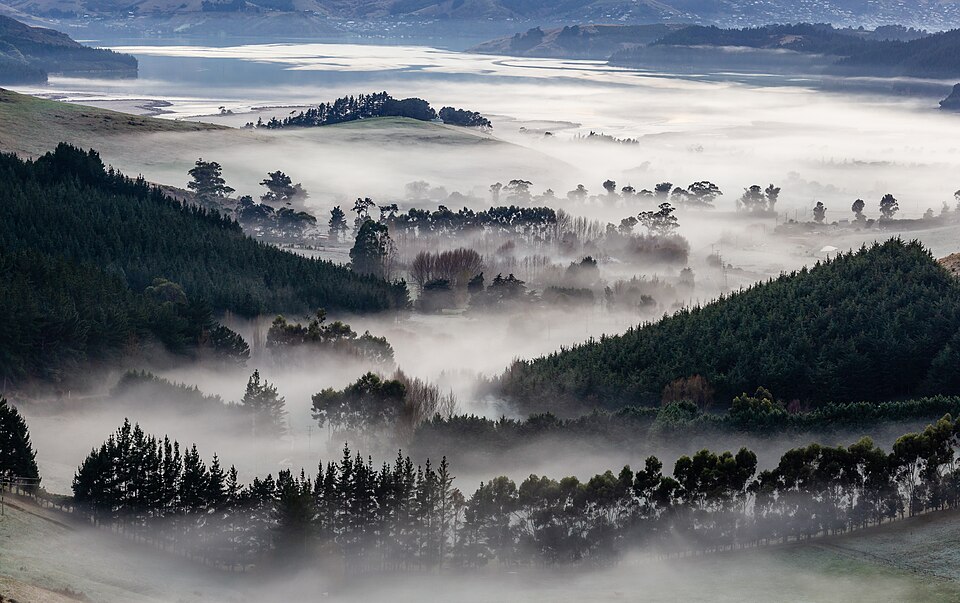
New Zealand is famous for its dramatic and varied landscapes, from snow-capped mountains to rolling green hills and rugged coastlines. The Southern Alps run along most of the South Island, with the highest peak, Aoraki/Mount Cook, reaching 3,724 meters. The North Island has a volcanic plateau with several active volcanoes and geothermal areas where hot springs, geysers, and boiling mud pools bubble up from underground. Fiordland, in the southwest corner of the South Island, features steep-walled fjords carved by ancient glaciers, including the famous Milford Sound. New Zealand also has beautiful beaches, ancient forests, and crystal-clear lakes scattered across both islands.
The Māori People
The Māori are the indigenous Polynesian people of New Zealand, and their history and culture are deeply woven into the country’s identity. Māori ancestors voyaged across the Pacific Ocean in large canoes called waka, arriving in New Zealand roughly 700 to 800 years ago. They named the land Aotearoa, which is often translated as “land of the long white cloud.” Māori culture includes powerful traditions such as the haka, a ceremonial dance performed to show strength and unity, and intricate wood carving and weaving arts. Today the Māori language, te reo Māori, is taught in schools, and Māori customs like the hongi (a greeting performed by pressing noses together) are practiced throughout the country.
Wildlife
New Zealand’s long isolation from other landmasses allowed unique wildlife to evolve that is found nowhere else on Earth. The most famous native animal is the kiwi, a small flightless bird with hair-like feathers and a long beak that has become the national symbol. New Zealand is actually home to several flightless birds, including the takahē and the weka, because there were no land mammals to prey on them for millions of years. The surrounding ocean waters are rich with marine life, including dolphins, whales, fur seals, and the world’s rarest penguin, the yellow-eyed penguin. Unfortunately, many native species are now endangered because of introduced predators like rats, stoats, and possums brought by human settlers.
History and Government
The first Europeans to sight New Zealand were Dutch explorer Abel Tasman and his crew in 1642, and the country’s English name comes from the Dutch province of Zeeland. In 1840, Māori chiefs and the British Crown signed the Treaty of Waitangi, which is considered New Zealand’s founding document, though its interpretation has been debated ever since. New Zealand became a self-governing British colony and later a fully independent nation. In 1893, New Zealand became the first country in the world to grant all women the right to vote in national elections, setting an example for democracies everywhere. Today New Zealand is a parliamentary democracy with a prime minister as head of government and King Charles III as the ceremonial head of state.
Culture and Sports
New Zealanders, often called Kiwis, are known for their friendly and outdoor-loving way of life. Rugby is the most popular sport, and the national team, the All Blacks, is one of the most successful rugby teams in history, famous for performing the haka before each match. New Zealand’s stunning scenery served as the filming location for the Lord of the Rings and Hobbit movie trilogies, bringing international attention to the country’s landscapes. The country also has a strong tradition in adventure sports, since bungee jumping was popularized there in the 1980s. Music, film, and literature from New Zealand reflect both Māori and European influences, creating a unique cultural blend.
Economy and Agriculture
New Zealand’s economy relies heavily on agriculture, trade, and tourism. The country is one of the world’s largest exporters of dairy products, lamb, and wool, and sheep famously outnumber people by roughly six to one. Tourism is a major industry, with millions of visitors arriving each year to hike, ski, and explore the natural scenery. New Zealand also produces wine, particularly sauvignon blanc from the Marlborough region, which is recognized internationally. The country trades extensively with Australia, China, and the United States, exporting food products and importing machinery, vehicles, and electronics.
Environment and Conservation
New Zealand takes environmental protection seriously and has set ambitious goals for conservation. The government has launched programs like Predator Free 2050, which aims to eliminate invasive rats, stoats, and possums to protect native birds and wildlife. About one-third of the country’s land area is protected in national parks, reserves, and conservation areas. New Zealand generates a large share of its electricity from renewable sources, including hydroelectric, geothermal, and wind power. The country’s commitment to preserving its natural heritage reflects the Māori concept of kaitiakitanga, which means guardianship and care for the environment.
 OtterKnow Kids Encyclopedia