Geography and Landscapes
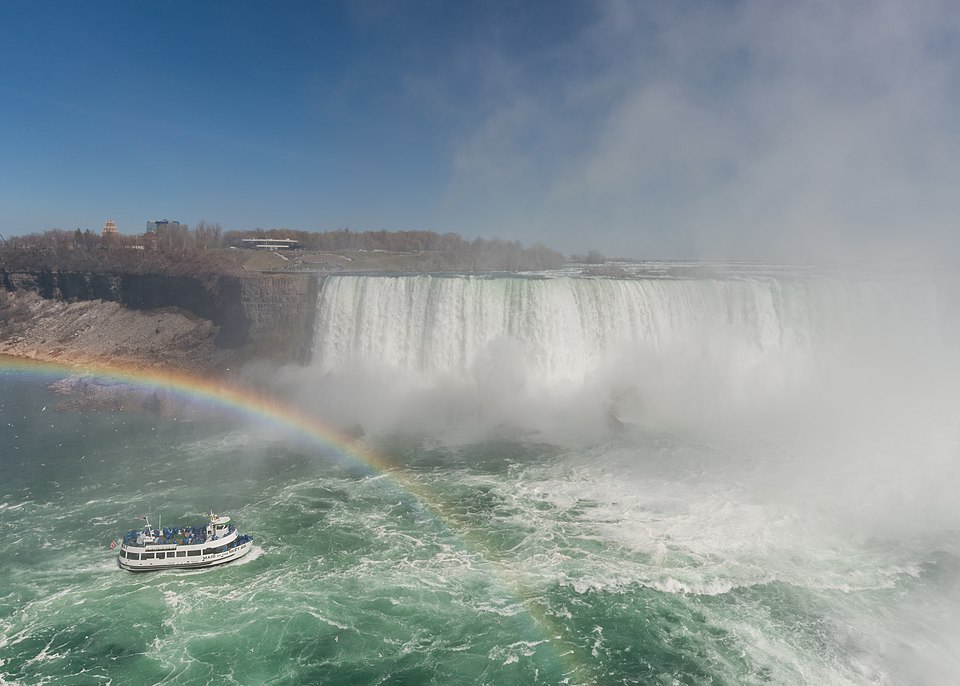
Canada shares the world’s longest international border with the United States, stretching about 8,891 kilometers including the border with Alaska. The Rocky Mountains run through western Canada, with peaks rising above 3,000 meters and attracting hikers, skiers, and nature lovers from around the world. In the north, vast stretches of Arctic tundra remain frozen for much of the year and are home to polar bears, caribou, and Arctic foxes. Canada has more lakes than any other country on Earth, including the Great Lakes that it shares with the United States. Niagara Falls, one of the most powerful waterfalls in the world, sits on the border between Ontario and New York State.
Major Cities
The capital of Canada is Ottawa, located in the province of Ontario, where the Parliament of Canada meets and important national museums are found. Toronto, also in Ontario, is the country’s largest city and a busy center of business, arts, and culture with a population of nearly 3 million people in the city itself. Montreal, in the province of Quebec, is the largest primarily French-speaking city in North America and is known for its historic architecture and lively festivals. Vancouver, on the Pacific coast, is surrounded by mountains and ocean and is frequently ranked as one of the most livable cities in the world. Calgary, in the province of Alberta, is famous for the Calgary Stampede, one of the biggest rodeo events on the planet.
Indigenous Peoples
Indigenous peoples have lived in what is now Canada for at least 15,000 years, long before European explorers arrived. The three main groups of Indigenous peoples recognized in Canada are First Nations, Inuit, and Métis, each with their own distinct cultures, languages, and traditions. Before European contact, Indigenous communities developed complex societies, trade networks, and rich oral traditions across every region of the country. Today, more than 1.8 million people in Canada identify as Indigenous, and there is growing recognition of their contributions to Canadian history and culture. Efforts to preserve Indigenous languages, traditions, and land rights continue to be an important part of Canadian life.
Wildlife and Nature
Canada’s vast wilderness supports a wide variety of wildlife, including moose, beavers, wolves, grizzly bears, and bald eagles. The beaver holds a special place in Canadian history and culture and is the country’s official national animal. In the far north, polar bears roam the ice and tundra, while beluga whales and narwhals swim in Arctic waters. Canada’s national park system protects more than 40 parks across the country, including Banff, the oldest national park in Canada, established in 1885. The country’s forests, wetlands, and coastlines also serve as critical habitats for millions of migratory birds each year.
Culture and Traditions
Canadian culture is shaped by its Indigenous heritage, British and French colonial roots, and waves of immigration from countries around the world. Ice hockey is considered Canada’s national winter sport, and the country has produced many of the greatest players in the history of the game. Maple syrup is one of Canada’s most famous products, with the province of Quebec producing about 70 percent of the world’s supply. Canadians celebrate Canada Day on July 1 each year, marking the anniversary of the country’s confederation in 1867. The arts scene is thriving, with internationally known musicians, authors, and filmmakers calling Canada home.
Government and Economy
Canada is a constitutional monarchy and parliamentary democracy, meaning it has both a monarch, currently King Charles III, and an elected prime minister who leads the government. The country is divided into ten provinces and three territories, each with its own regional government. Canada’s economy is one of the largest in the world, driven by natural resources such as oil, natural gas, timber, and minerals. Agriculture also plays a key role, with Canada being a major exporter of wheat, canola, and other crops. Trade with the United States is especially important, as the two countries are each other’s largest trading partners.
Daily Life and Education
Most Canadians live within about 200 kilometers of the United States border, where the climate is milder than in the country’s vast northern regions. Education is highly valued, and school is required for children in every province and territory, though the exact ages vary slightly by region. Canadians enjoy outdoor activities year-round, from skiing and ice skating in winter to hiking, canoeing, and camping in summer. The country has a universal healthcare system, meaning all Canadian citizens and permanent residents can access medical care. With people from more than 200 different ethnic backgrounds, Canada is one of the most multicultural countries in the world.
 OtterKnow Kids Encyclopedia