Geography and Natural Wonders
Brazil takes up nearly half of South America’s total land area, and it shares borders with every other South American country except Chile and Ecuador. The mighty Amazon River, the largest river by volume in the world, flows through the northern part of the country. The Amazon Rainforest covers roughly 60 percent of Brazil’s territory and is home to more plant and animal species than any other place on Earth. Along Brazil’s southern border with Argentina, the spectacular Iguazu Falls plunges over cliffs in a series of nearly 275 individual waterfalls. Brazil also has more than 7,000 kilometers of Atlantic coastline dotted with sandy beaches.
Major Cities
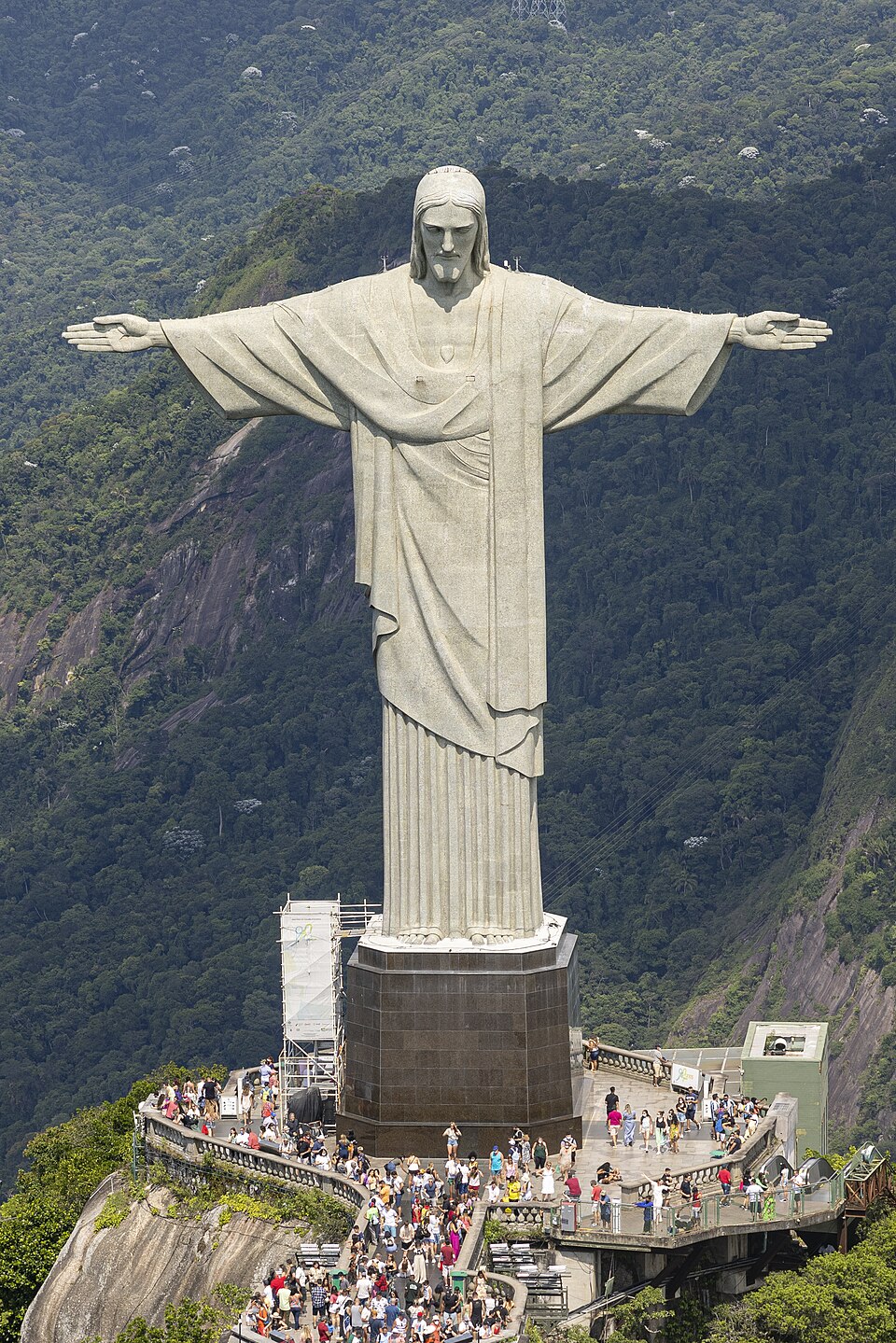
The capital of Brazil is Brasília, a planned city built in the late 1950s in the interior of the country to encourage development away from the coast. São Paulo is the largest city in Brazil and one of the biggest cities in the world, serving as the country’s main center for business and finance. Rio de Janeiro is famous for its beautiful harbor, towering mountains, and the iconic Christ the Redeemer statue that stands 30 meters tall on top of Mount Corcovado. Other important cities include Salvador, known for its Afro-Brazilian culture, and Manaus, a major gateway to the Amazon Rainforest.
Culture and Celebrations
Brazilian culture is a mix of Indigenous, African, and European traditions that have blended together over hundreds of years. The most famous celebration in Brazil is Carnival, a massive festival held each year before the Christian season of Lent. During Carnival, millions of people fill the streets of Rio de Janeiro and other cities to dance samba, wear elaborate costumes, and watch colorful parades. Music is deeply important in Brazilian life, and the country has given the world genres like samba, bossa nova, and forró. Brazilian cuisine features dishes like feijoada, a hearty stew of black beans and pork, and açaí bowls made from a berry that grows in the Amazon.
Economy and Resources
Brazil has the largest economy in South America and one of the biggest in the world, powered by agriculture, mining, and manufacturing. The country is a leading global producer of coffee, sugarcane, soybeans, and orange juice. Brazil’s mines produce iron ore, gold, and other valuable minerals that are exported around the world. Manufacturing is also important, with factories producing cars, airplanes, and electronics, especially in and around São Paulo. In recent decades, large offshore oil discoveries have made Brazil a significant petroleum producer as well.
Wildlife and the Environment
The Amazon Rainforest makes Brazil one of the most biodiverse countries on the planet, home to jaguars, macaws, pink river dolphins, and thousands of other species. Scientists estimate that one in ten of all known species on Earth lives in Brazil. However, deforestation remains a serious challenge, as forests are cleared for farming, ranching, and logging. The Pantanal, the world’s largest tropical wetland, lies in western Brazil and supports an incredible variety of birds, caimans, and capybaras. Conservation efforts, including national parks and protected reserves, aim to safeguard these unique ecosystems for future generations.
Soccer and Sports
Brazil is often called the country of soccer, and it is the only nation to have won the FIFA World Cup five times, in 1958, 1962, 1970, 1994, and 2002. Legendary players like Pelé, widely considered one of the greatest athletes in history, helped make Brazilian soccer famous worldwide. The Maracanã Stadium in Rio de Janeiro is one of the most celebrated soccer venues on Earth and has hosted two World Cup finals. Beyond soccer, Brazilians also enjoy volleyball, mixed martial arts, and a unique form of martial arts called capoeira that blends fighting with dance and music. Brazil hosted the 2016 Summer Olympic Games in Rio de Janeiro, the first Olympics ever held in South America.
People and Daily Life
Most Brazilians live in cities along the Atlantic coast, where they enjoy a warm tropical or subtropical climate for much of the year. Family is very important in Brazilian culture, and large family gatherings for meals and celebrations are common. Education is required for children between the ages of 6 and 14, and the country has been working to improve access to schools in rural areas. Indigenous communities, numbering around 900,000 people across more than 300 different groups, continue to maintain their traditions and languages in many parts of the country. With its mix of peoples and traditions, Brazil is one of the most culturally diverse nations in the world.
 OtterKnow Kids Encyclopedia