Countries and People
Canada is the largest country in North America by area, while the United States has the largest population with over 330 million people. Mexico, the third-largest country on the continent, is home to about 130 million people and has a rich blend of Indigenous and Spanish heritage. Central America is made up of seven countries, including Guatemala, Costa Rica, and Panama, while the Caribbean contains island nations like Cuba, Jamaica, and Haiti. Major cities on the continent include New York City, Mexico City, Los Angeles, and Toronto, each with millions of residents.
Mountains and Plains
The Rocky Mountains run along the western side of North America, stretching from Canada down through the United States. These towering peaks include some of the most dramatic scenery on the continent, with snow-capped summits, deep valleys, and alpine meadows. East of the Rockies lie the Great Plains, a vast stretch of flat grassland that covers the center of the continent. The Appalachian Mountains run along the eastern side of the United States and are some of the oldest mountains in the world. Between these mountain ranges, the land is ideal for farming, and the Great Plains are sometimes called the breadbasket of the world.
Rivers and Lakes
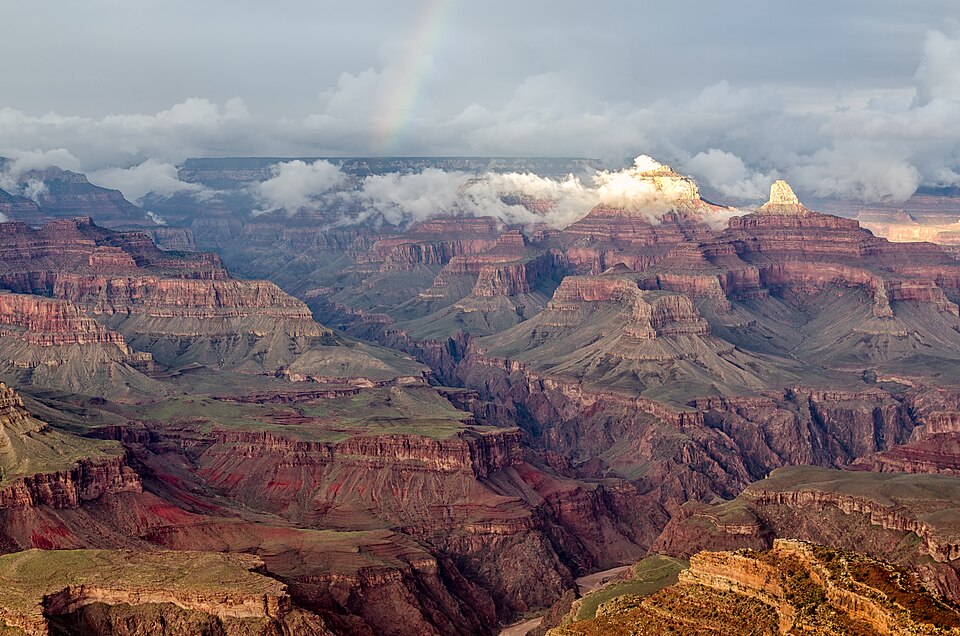
North America has some of the most impressive waterways on Earth. The Mississippi River is one of the longest rivers in the world, flowing from Minnesota all the way south to the Gulf of Mexico. The Great Lakes — Superior, Michigan, Huron, Erie, and Ontario — form the largest group of freshwater lakes on the planet and hold about 21 percent of the world’s surface freshwater. The Colorado River carved the spectacular Grand Canyon over millions of years. The Missouri River, a tributary of the Mississippi, adds even more length to this enormous river system. These waterways have been vital for transportation, farming, and drinking water for centuries.
Climate and Wildlife
North America has a huge range of climates because it stretches so far from north to south. Northern Canada and Alaska experience Arctic conditions with freezing temperatures and long, dark winters, while Central America and the Caribbean enjoy warm, tropical weather year-round. The continent is home to many different kinds of wildlife, including grizzly bears, bald eagles, bison, jaguars, and sea turtles. Forests, deserts, prairies, wetlands, and coral reefs all provide different habitats for thousands of species. National parks like Yellowstone and Banff protect some of these wild places for future generations.
Indigenous Peoples and Early History
Long before European explorers arrived, hundreds of Indigenous nations lived across North America. In the Arctic, Inuit peoples built communities adapted to the extreme cold, while the Haudenosaunee (Iroquois) Confederacy in the northeast created one of the earliest known democratic governments. The Maya civilization in present-day Mexico and Central America built impressive cities, developed advanced mathematics, and created a detailed calendar system. The Aztec Empire, centered in what is now Mexico City, was one of the largest and most powerful civilizations in the Americas. These Indigenous cultures shaped the land and left a lasting influence on the languages, foods, and traditions of North America today.
Food and Culture
North American culture is a blend of Indigenous, European, African, and Asian traditions. The continent’s foods reflect this diversity, from Mexican tacos and tamales to Canadian poutine and American barbecue. Many popular sports originated or grew on this continent, including baseball, basketball, ice hockey, and soccer. Music styles like jazz, blues, country, hip-hop, and reggae all have roots in North America. Celebrations range from the Day of the Dead in Mexico to Thanksgiving in the United States and Canada, showing the continent’s wide range of cultural traditions.
North America Today
Modern North America is connected by trade, technology, and transportation. The United States, Canada, and Mexico are linked by the USMCA trade agreement, which helps goods and services flow between the three countries. The continent is a world leader in technology, with major companies based in cities like San Francisco, Seattle, and Toronto. The Panama Canal, one of the greatest engineering achievements in history, connects the Atlantic and Pacific Oceans and allows ships to pass through Central America. With its vast natural resources, diverse populations, and spirit of innovation, North America continues to play a major role on the world stage.
 OtterKnow Kids Encyclopedia