Geography and Landscapes
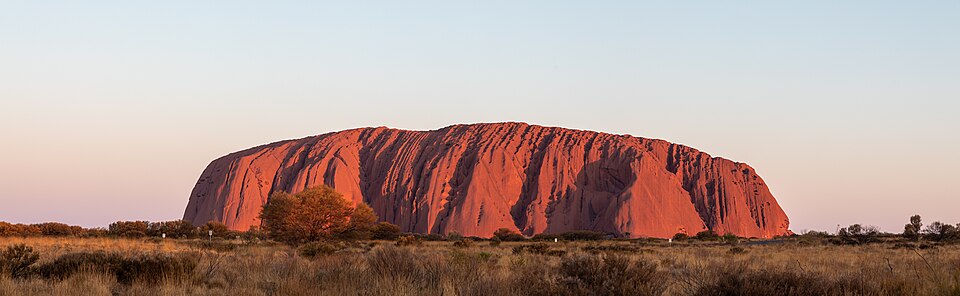
Australia’s landscape is full of contrasts. The vast outback covers much of the interior, with red-orange soil, flat plains, and scattered rocky formations. Uluru, also known as Ayers Rock, is a massive sandstone formation in the center of the country that stands about 348 meters tall and is sacred to the Anangu Aboriginal people. Along the northeast coast lies the Great Barrier Reef, the largest coral reef system in the world, stretching over 2,300 kilometers. Australia also has mountain ranges, tropical rainforests in the north, and snowy peaks in the southeast, including the Australian Alps.
Unique Wildlife
Australia is famous for its unusual animals, many of which are found nowhere else on Earth. Kangaroos, koalas, wombats, and platypuses are all native to Australia. The platypus is one of only a few mammals that lays eggs, making it one of the most unusual animals in the world. Australia is also home to more species of venomous snakes than any other continent, along with saltwater crocodiles, colorful parrots, and the emu, a large flightless bird. Many of these animals evolved in isolation because Australia separated from other landmasses millions of years ago.
Indigenous Australians
Aboriginal and Torres Strait Islander peoples are the Indigenous peoples of Australia, and they have lived on the continent for at least 65,000 years. This makes their cultures among the oldest continuous cultures in the world. Indigenous Australians developed a deep understanding of the land, water, and seasons, passing down knowledge through stories, songs, and art. Their artwork, including rock paintings and dot paintings, is admired around the world. Today, Indigenous Australians continue to share their traditions and play an important role in the country’s identity.
Climate and Environment
Australia is the driest inhabited continent on Earth. Much of the interior receives very little rain, and droughts are common. The northern part of Australia has a tropical climate with a wet season and a dry season, while the southern regions experience four distinct seasons with mild winters and warm summers. Bushfires are a natural part of Australia’s environment, but in recent years some fire seasons have been unusually severe. The country is also affected by climate change, which threatens coral reefs, wildlife habitats, and farming communities.
Major Cities
Most Australians live in large cities near the coast. Sydney, the largest city, is known for its iconic Opera House and Harbour Bridge. Melbourne is famous for its arts, sports, and coffee culture. Brisbane sits along the coast of Queensland near the Great Barrier Reef. Perth, on the western coast, is one of the most isolated major cities in the world. Canberra, the national capital, was purpose-built in the early 1900s as a compromise between Sydney and Melbourne, which both wanted to be the capital.
Economy and Resources
Australia has a strong economy supported by its rich natural resources. The country is one of the world’s largest exporters of iron ore, coal, and natural gas. Farming is also important, with Australia producing large amounts of wheat, beef, and wool. Tourism brings millions of visitors each year who come to see the Great Barrier Reef, Uluru, and the country’s unique wildlife. Australia also has growing industries in technology, education, and renewable energy as the country works to reduce its reliance on fossil fuels.
Australia Today
Modern Australia is a diverse and multicultural country. People from all over the world have moved there, bringing their languages, foods, and traditions. English is the main language, but hundreds of Indigenous languages are still spoken. Australians are known for their love of the outdoors, sports like cricket and Australian rules football, and a relaxed way of life. The country continues to grow and change while working to protect its unique environment and honor the heritage of its Indigenous peoples.
 OtterKnow Kids Encyclopedia