The Story of the First Vaccine
The first vaccine was created by an English doctor named Edward Jenner in 1796. Jenner noticed that milkmaids who had caught cowpox, a mild disease from cows, seemed to be protected from the deadly disease smallpox. He tested his idea by giving a young boy material from a cowpox sore, and the boy became immune to smallpox. Thanks to vaccination campaigns inspired by Jenner’s discovery, smallpox was completely eradicated worldwide in 1980, the first and only human disease ever eliminated by vaccination.
How Vaccines Work
Vaccines work by teaching your immune system to recognize and fight a specific pathogen before you actually encounter it. Some vaccines use a weakened or inactivated version of the germ, while others use just a piece of the pathogen, such as a protein from its surface. Newer mRNA vaccines, like some COVID-19 vaccines, give your cells instructions for making a harmless protein from the pathogen so your immune system can learn to recognize it. In all cases, your immune system responds by creating memory cells that will protect you if you are ever exposed to the real disease.
Herd Immunity: Protecting Everyone
Herd immunity, also called community immunity, happens when enough people in a community are immune to a disease that it cannot spread easily. This protects people who cannot be vaccinated, such as newborn babies, people with certain medical conditions, and those receiving treatments like chemotherapy that weaken the immune system. The percentage of the population that needs to be immune varies by disease, with highly contagious diseases like measles requiring about 95 percent immunity to stop spreading. Herd immunity is one of the most important reasons why vaccination is a community responsibility, not just an individual choice.
The Childhood Vaccination Schedule
Most vaccines require multiple doses given over time to build full protection against a disease. The childhood vaccination schedule recommended by the CDC protects against 14 serious diseases by the time a child turns 2 years old. These diseases include measles, mumps, rubella, whooping cough, polio, and hepatitis B, among others. Booster shots given later in childhood and during the teenage years help maintain immunity as you grow older.
How Vaccines Are Tested for Safety
Vaccines go through one of the most rigorous safety testing processes of any medical product. A new vaccine typically takes 10 or more years to develop, moving through laboratory research, animal testing, and multiple phases of clinical trials with thousands of human volunteers. Even after a vaccine is approved, scientists continue to monitor it for rare side effects through systems like the Vaccine Adverse Event Reporting System. Serious side effects from vaccines are extremely rare, and the benefits of vaccination far outweigh the risks for nearly everyone.
Vaccines Save Millions of Lives
The World Health Organization estimates that vaccines prevent 3.5 to 5 million deaths every year around the world. Before the measles vaccine was introduced in 1963, the disease killed about 2.6 million people annually, but today measles deaths have dropped by more than 95 percent. Polio, which once paralyzed thousands of children each year, is now found in only a handful of countries thanks to global vaccination efforts. These numbers show why scientists, doctors, and public health experts consider vaccines one of humanity’s most powerful tools for saving lives.
Getting Your Vaccines
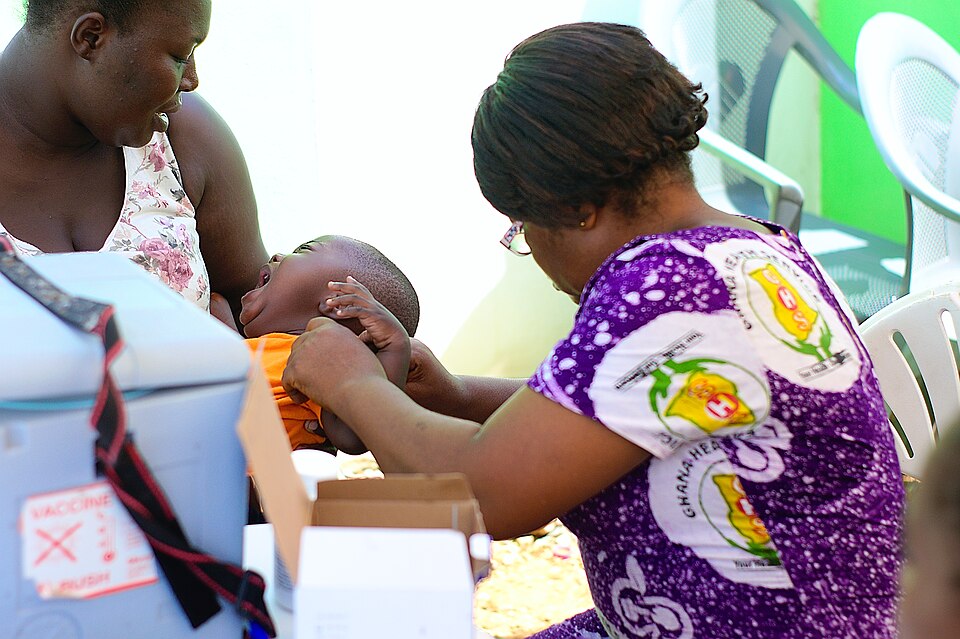
Vaccines are available at doctor’s offices, clinics, pharmacies, and school-based vaccination programs. It is normal to feel a brief pinch during the injection and sometimes mild side effects like soreness at the injection site or a low fever for a day or two. These mild side effects are actually a sign that your immune system is responding to the vaccine and building protection. Keeping a record of your vaccinations helps you and your doctor make sure you are up to date on all the protection you need.
 OtterKnow Kids Encyclopedia