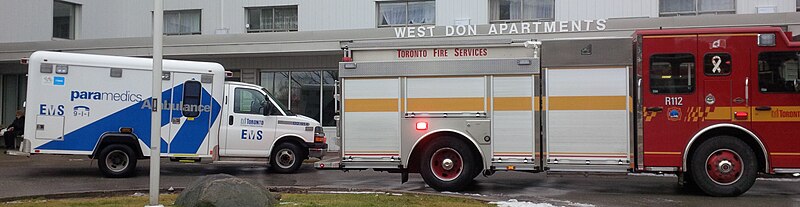
Making a Family Emergency Plan
The Federal Emergency Management Agency (FEMA) recommends that every family create an emergency plan before disaster strikes. Your plan should include at least two exit routes from every room in your home so you always have a way out. Pick a family meeting place outside your home, like a mailbox or a neighbor’s yard, where everyone will gather after escaping. It also helps to choose an out-of-state contact person that everyone in the family can call or text to check in. Practice your plan at least twice a year so everyone remembers what to do.
Building an Emergency Supply Kit
A good emergency kit has enough supplies to keep your family safe for at least three days. FEMA recommends storing 1 gallon (about 3.8 liters) of water per person per day, which means a family of four needs 12 gallons for three days. You should also pack non-perishable food like canned goods, granola bars, and peanut butter. Other important items include a flashlight, extra batteries, a first aid kit, any medications your family needs, a whistle to signal for help, and copies of important documents in a waterproof bag.
Every child should memorize certain information in case they are separated from their family during an emergency. You should know your full name, your parents’ or guardians’ full names, your home address, and at least one phone number you can call for help. Write this information on a card and keep it in your backpack or pocket when traveling. Knowing these details can help police officers, firefighters, or other helpers reunite you with your family quickly.
Communicating During Emergencies
During a major emergency, phone lines can become overloaded and calls may not go through. Text messages often work better than phone calls because they use less bandwidth and can be sent even when networks are congested. In many areas, you can even text 911 to reach emergency services if you cannot make a voice call. Keep your phone charged and consider having a portable battery charger in your emergency kit. Having a communication plan means your family can stay connected even when things go wrong.
What to Do During an Earthquake
If an earthquake strikes, remember the phrase “Drop, Cover, and Hold On.” First, drop to your hands and knees so the shaking doesn’t knock you down. Next, take cover under a sturdy piece of furniture like a desk or table, or crouch against an interior wall away from windows. Then hold on to your shelter and protect your head and neck until the shaking completely stops. After the earthquake, watch out for broken glass and fallen objects, and be prepared for aftershocks that may follow.
Staying Safe in Severe Weather
Different types of severe weather require different safety actions. During a tornado, move to the lowest floor of your building and get to an interior room away from windows, like a bathroom or closet. For hurricanes, listen to local authorities and follow evacuation orders early — don’t wait until the storm arrives. During thunderstorms, stay indoors and away from windows, trees, and metal objects, since lightning can strike from up to 10 miles away. Always pay attention to weather alerts on the radio, TV, or a weather app so you have time to prepare.
Practice Makes Prepared
The best emergency plans are the ones you practice regularly. Hold family drills so everyone knows exactly where to go and what to do during different types of emergencies. Schools practice fire drills and tornado drills for the same reason — repetition helps you react quickly without having to think. Check your emergency supply kit every six months to replace expired food, update medications, and make sure batteries still work. Being prepared is one of the most important ways you can help keep yourself and your family safe.
 OtterKnow Kids Encyclopedia