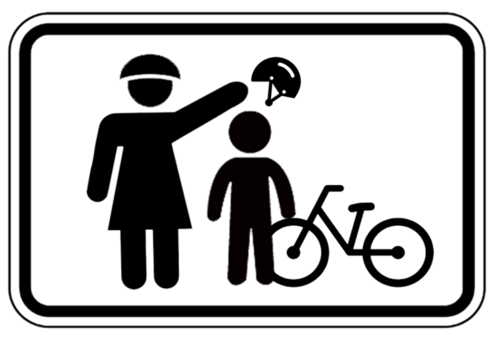
How to Fit a Helmet Correctly
A helmet only protects you if it fits the right way on your head. The helmet should sit level on top of your head, about two finger-widths above your eyebrows, not tilted back or pushed to one side. The side straps should form a V-shape around each ear, and the chin strap should be snug enough that only two fingers fit between the strap and your chin. If your helmet is cracked, dented, or has been in a crash, replace it right away because damaged helmets cannot protect you properly.
Safety Gear for Wheeled Sports
Skateboarding, scootering, inline skating, and roller skating are exciting activities, but they all require proper safety gear beyond just a helmet. Wrist guards are especially important because wrist injuries are the most common injury in skating sports, since people instinctively put their hands out when they fall. Elbow pads and knee pads protect the joints that hit the ground hardest during falls. All protective gear should fit snugly without being too tight, and it should be worn every time you ride or skate, not just when you are learning.
Traffic Rules for Cyclists
When you ride your bicycle on the road, you are considered a vehicle and must follow the same traffic rules as cars. Always ride in the same direction as traffic, stay as far to the right as safely possible, and obey all traffic signals, stop signs, and road markings. Use hand signals to let drivers know when you plan to turn left, turn right, or stop. Ride predictably by going in a straight line without weaving between parked cars, and always use bike lanes when they are available.
Riding Safely at Night
Riding a bicycle after dark is much more dangerous because drivers have a harder time seeing you. If you must ride at night, your bicycle should have a white light on the front and a red light or reflector on the back, which is required by law in most states. Wearing bright or reflective clothing makes you much more visible to drivers, and reflective tape on your helmet, shoes, or backpack adds extra visibility. The safest choice is to avoid riding at night whenever possible and to plan your rides during daylight hours.
Bike Maintenance for Safety
A bicycle that is not properly maintained can be just as dangerous as riding without a helmet. Before every ride, check that your tires are properly inflated, your brakes work smoothly, and your chain is not loose or rusty. Make sure the seat and handlebars are adjusted to the right height for your body, so you can touch the ground with your toes when seated and reach the handlebars comfortably. Loose parts, wobbly wheels, or squeaky brakes are warning signs that your bike needs repair before it is safe to ride.
Helmet Laws and Why They Exist
In many states, it is illegal for children under 12 or under 16 to ride a bicycle without a helmet. These laws exist because research has shown over and over again that helmets dramatically reduce the number of serious head injuries and deaths from bicycle crashes. But even in places without helmet laws, or for riders older than the legal requirement, wearing a helmet is always the smart choice. A helmet is a small, simple piece of equipment that can prevent a life-changing brain injury.
Sharing the Road and the Path
Whether you are riding on a road, a bike path, or a sidewalk, you share that space with other people. Always pass pedestrians and slower riders on the left, and call out “on your left” or ring a bell to let them know you are coming. Keep a safe following distance behind other cyclists, just like cars keep distance from each other. Be courteous and patient, because sharing the road safely means looking out for everyone around you, not just yourself.
 OtterKnow Kids Encyclopedia