How to Approach a Dog Safely
Never approach an unfamiliar dog without first asking the owner’s permission. If the owner says it is okay, hold out your closed fist slowly and let the dog sniff it before you try to pet it. Pet the dog on the side of its body or under its chin rather than reaching over the top of its head, which can feel scary to the dog. Never bother a dog while it is eating, sleeping, or taking care of puppies, because these are times when dogs are more likely to snap or bite.
Warning Signs That a Dog May Bite
Dogs give clear warning signals before they bite, and learning to read these signals can keep you safe. A dog with a stiff body, raised fur along its back (called hackles), bared teeth, or a deep growl is telling you to stay away. A fixed, hard stare without blinking is another warning sign that a dog may be about to lunge. If you see any of these signs, back away slowly without running or making direct eye contact, because running can trigger a dog’s instinct to chase.
What to Do If a Dog Attacks
If a dog charges at you, the best thing to do is stay calm and stand completely still, like a tree, with your arms at your sides. Running away almost always makes things worse because dogs can easily outrun people. If a dog knocks you down, curl into a ball, cover your head and neck with your hands, and stay as still as possible. After the dog loses interest and walks away, tell a trusted adult right away so the bite can be treated and reported.
Wildlife Safety
Wild animals may look cute, but they can carry diseases and may attack if they feel cornered or threatened. Never feed wild animals, because it makes them dependent on humans for food and can make them more aggressive toward people. Keep a safe distance from all wild animals, including deer, raccoons, squirrels, and coyotes, even if they seem friendly. If a wild animal is acting strangely, stumbling, or approaching people without fear, it may have rabies, so back away and tell an adult immediately.
Ticks and Tick-Borne Illness
Ticks are tiny creatures that attach to your skin and feed on your blood, and some of them carry serious diseases like Lyme disease. After spending time outdoors in wooded or grassy areas, check your entire body carefully for ticks, including your scalp, behind your ears, and between your toes. If you find an attached tick, have an adult remove it with fine-tipped tweezers by pulling straight out without twisting, which helps make sure the entire tick is removed. Wearing long pants, tucking pants into socks, and using insect repellent can help prevent tick bites in the first place.
Bee and Wasp Stings
Most bee and wasp stings cause only temporary pain, redness, and swelling around the sting site. However, some people have a severe allergic reaction called anaphylaxis, which causes difficulty breathing, swelling of the throat, and a dangerous drop in blood pressure. Anyone who has a known allergy to stings should carry an epinephrine auto-injector (like an EpiPen) at all times and use it immediately if stung, then call 911. To avoid stings, stay calm around bees and wasps, avoid swatting at them, and keep food and sugary drinks covered when eating outdoors.
General Rules for Animal Safety
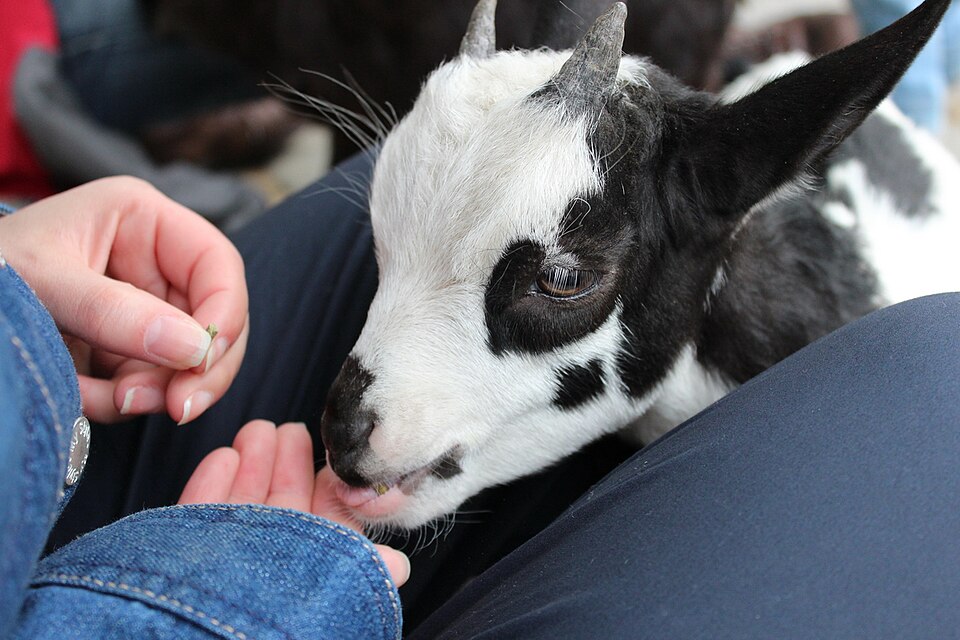
A few simple rules can help keep you safe around all kinds of animals. Always ask permission before touching any animal, whether it is a pet, a farm animal, or an animal at a zoo or petting farm. Wash your hands with soap and water after handling any animal, because animals can carry germs even when they look healthy. If any animal bites or scratches you, tell an adult right away so the wound can be cleaned properly and you can get medical attention if needed.
 OtterKnow Kids Encyclopedia