What Is Volunteering?
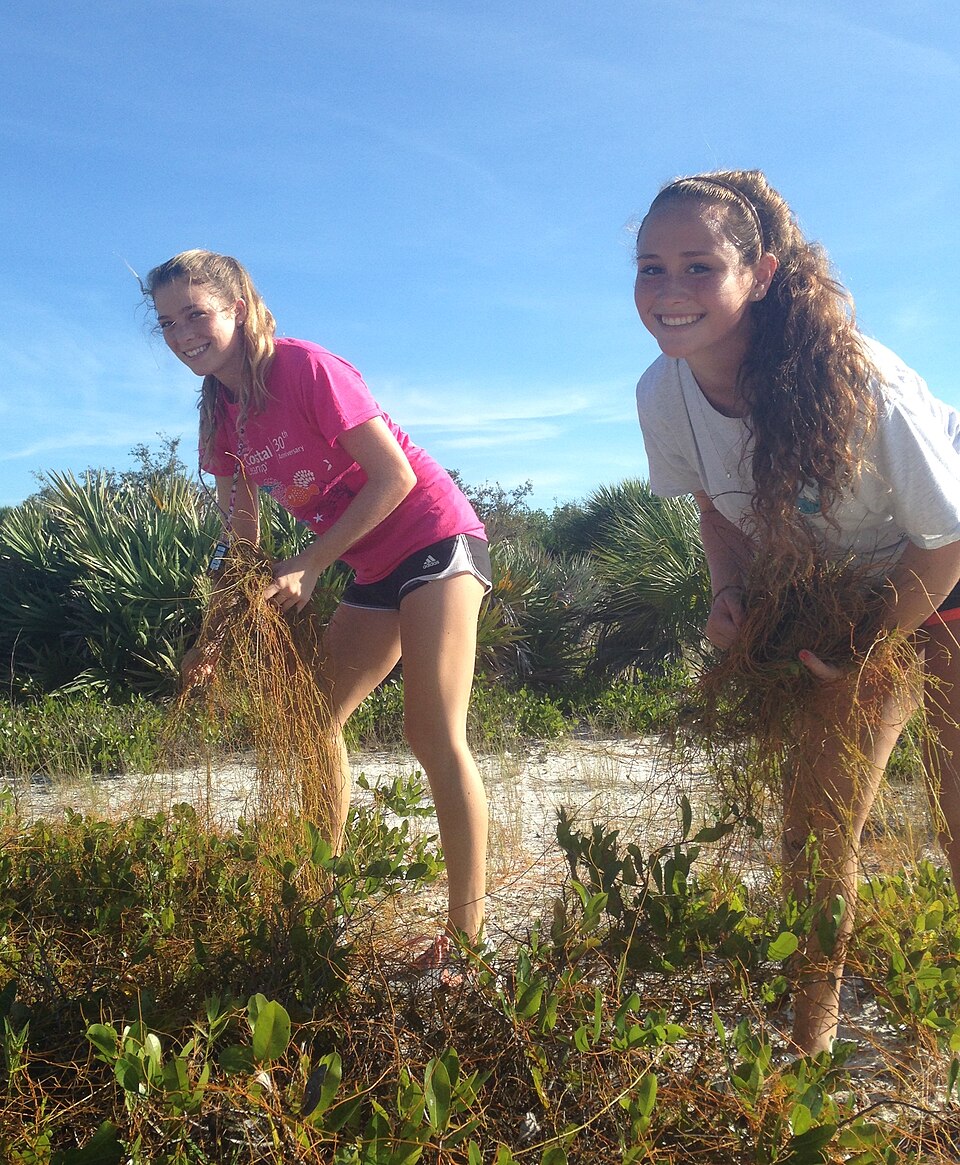
Volunteering means choosing to spend your time helping others without being paid for it. People volunteer in all kinds of ways, from picking up litter in a park to reading books to younger kids. Volunteering is a form of prosocial behavior, which means actions that benefit other people or your community. You do not have to be an adult to volunteer — kids your age can make a big difference too. Whether it is helping at a food bank, visiting seniors, or organizing a neighborhood cleanup, every bit of effort counts.
How Helping Others Helps You
Research has found that people who regularly help others tend to be happier and healthier than those who do not. Volunteering and helping are linked to lower rates of depression, stronger immune systems, and even a longer life. People who volunteer also report feeling more satisfied with their lives overall. According to the Points of Light Foundation, volunteers are 27% more likely to find a job after being unemployed because volunteering builds real skills and connections. Helping others gives you a sense of purpose, and that feeling of purpose is one of the strongest ingredients for a happy life.
Building Important Life Skills
When you volunteer or help others, you are building skills that will serve you throughout your entire life. You develop empathy, which is the ability to understand how other people feel. You also build social awareness, learning to notice when people around you might need support. Research shows that children who volunteer develop civic responsibility — a sense of duty to their community — and these qualities are linked to greater success in adulthood. Volunteering can also help you discover new interests, meet new people, and grow more confident in your abilities.
Random Acts of Kindness
You do not have to sign up for a big volunteer project to make a difference. Random acts of kindness — small, unexpected nice things you do for others — also create real wellbeing benefits for the person doing them. Holding a door open, complimenting someone’s work, sharing your snack, or helping a classmate carry their books are all examples. These tiny moments of kindness add up and can change the atmosphere of an entire classroom or school. Even just smiling at someone or saying “thank you” can brighten both your day and theirs.
Five Kind Acts in One Day
Psychologist Sonja Lyubomirsky conducted a study where she asked participants to perform five acts of kindness in a single day. The results were striking — people who did this showed greater happiness that lasted for weeks afterward. The acts did not have to be big or complicated. They could be as simple as writing a thank-you note, letting someone go first in line, or helping a neighbor carry groceries. The key was doing several kind things intentionally on one day, rather than spreading them across the week.
Ways Kids Can Volunteer
There are so many ways you can start helping others right now. At school, you could tutor a younger student, help organize a supply drive, or welcome a new classmate. In your neighborhood, you could help an elderly neighbor with yard work, organize a toy drive, or start a recycling project. At home, you could help prepare meals, take care of a pet, or teach a younger sibling something new. Many communities have volunteer programs specifically designed for kids your age, so ask a parent or teacher to help you find opportunities near you.
Making Helping a Habit
The more you help others, the more natural it becomes — and the better you feel. Try keeping a kindness journal where you write down one helpful thing you did each day. Over time, you will notice that looking for ways to help becomes automatic. Remember that helping others is not about getting credit or praise — it is about making your corner of the world a little better. When you help someone, you create a ripple effect, because people who receive kindness are more likely to pass it on to others.
 OtterKnow Kids Encyclopedia