Keeping Your Skin Clean
Daily bathing or showering removes sweat, bacteria, dead skin cells, and pollutants that collect on your skin throughout the day. Use warm water and a gentle soap or body wash — water that is too hot can strip away the natural oils your skin needs. Pay special attention to areas that tend to get sweaty, like your underarms, feet, and behind your ears. After washing, pat your skin dry with a clean towel rather than rubbing it roughly. Keeping your skin clean helps prevent body odor, rashes, and skin infections.
Moisturizing and Protecting Your Skin
After bathing, applying moisturizer helps maintain your skin’s barrier function, especially in dry or cold weather when skin can crack and allow bacteria to enter. Choose a fragrance-free moisturizer if your skin is sensitive or easily irritated. Sun protection is one of the most important skin care habits you can develop — ultraviolet (UV) radiation from the sun causes sunburn, premature aging, and increases the risk of skin cancer. Sunscreen with SPF 30 or higher blocks about 97 percent of UVB rays and should be applied 15 minutes before going outside. Reapply sunscreen every two hours, or more often if you’re swimming or sweating.
All About Your Nails
Fingernails and toenails are made of a tough protein called keratin — the same protein that makes up your hair. Nails grow from the nail matrix, a small area of tissue hidden under the skin at the base of the nail. Fingernails grow about 3.5 millimeters per month, which is faster than toenails. Your nails protect the sensitive tips of your fingers and toes and help you pick up small objects. The visible part of the nail is actually dead tissue, which is why it doesn’t hurt when you cut it.
Keeping Nails Clean and Trimmed
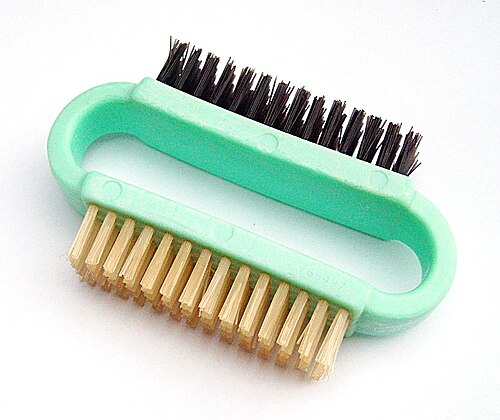
Clean, trimmed nails prevent dirt and bacteria from building up under the nail, which helps reduce the spread of illness and prevents nail infections. Use nail clippers to trim your nails straight across, then gently round the edges with a nail file. Keeping nails at a moderate length makes it harder for germs to hide underneath. Wash under your nails with soap and a nail brush, especially after playing outside or handling pets. Good nail hygiene is a simple step that makes a real difference in staying healthy.
Why Nail Biting Is a Problem
Biting your nails is a common habit, but it causes real health problems. When you bite your nails, you transfer bacteria from your fingers directly into your mouth, which can lead to colds, flu, and stomach infections. Nail biting can also damage the nail bed and the skin around the nail, creating openings where infections can start. Over time, biting can cause nails to grow unevenly or become permanently misshapen. If you struggle with nail biting, try keeping your nails trimmed short and finding another way to keep your hands busy.
Common Skin Problems
Most kids experience skin issues at some point. Minor cuts and scrapes should be washed with soap and water and covered with a bandage to prevent infection. Dry, itchy skin can often be managed with regular moisturizing and avoiding harsh soaps. Poison ivy, insect bites, and mild rashes usually heal on their own but should be kept clean. If a cut looks red, swollen, or warm, or if a rash spreads or doesn’t improve, tell an adult so they can help you decide if a doctor visit is needed.
Taking Care of Your Skin Every Day
Building a daily skin and nail care routine doesn’t take much time but pays off in a big way. Shower or bathe daily, moisturize after washing, and apply sunscreen before spending time outdoors. Keep your nails clean and trimmed each week. Drink plenty of water throughout the day, since hydration helps your skin stay healthy from the inside out. These simple habits protect the body’s most important barrier and help you look and feel your best.
 OtterKnow Kids Encyclopedia