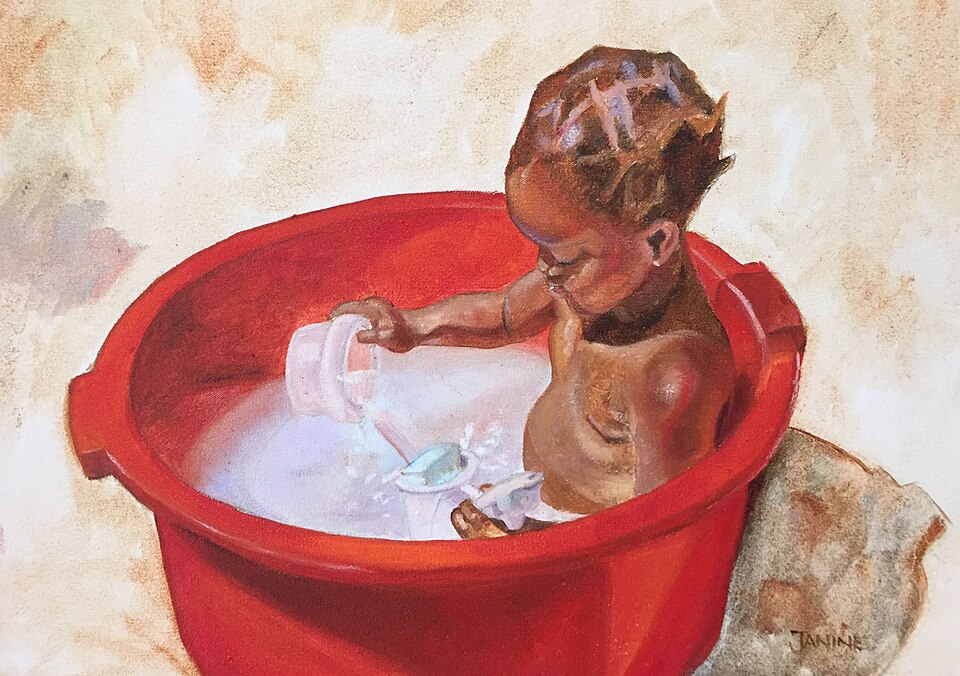
Why Bathing Matters
Taking a bath or shower every day washes away sweat, bacteria, and dead skin cells that build up on your body. Your skin produces about 30,000 to 40,000 dead skin cells every single hour, and bathing removes these along with oils and bacteria. If left on the skin, bacteria break down sweat and oils, which is what causes body odor. Warm water opens your pores and helps release trapped dirt, while soap lifts oils and germs off your skin so they rinse away. Regular bathing also helps prevent skin infections and rashes.
Brushing and Flossing Your Teeth
Dental hygiene is one of the most important parts of personal care. Tooth decay is the most common chronic childhood disease in the United States, affecting about 20% of children ages 5 to 11. Dentists recommend brushing your teeth twice a day for two minutes each time, using a fluoride toothpaste. Flossing once a day removes food particles and plaque from between your teeth where your toothbrush cannot reach. Taking care of your teeth now helps protect them for decades to come.
Washing Your Hands
Handwashing is one of the simplest and most powerful ways to stop germs from spreading. You should always wash your hands before eating or preparing food, after using the bathroom, and after blowing your nose, coughing, or sneezing. Proper handwashing means using soap and water and scrubbing for at least 20 seconds. This removes bacteria and viruses that you pick up by touching surfaces, other people, or animals throughout the day. Clean hands protect both you and the people around you from illness.
Taking Care of Your Hair and Nails
Washing your hair regularly removes oil, dirt, and sweat that build up on your scalp. How often you need to wash your hair depends on your hair type, but most kids benefit from washing it every two to three days. Keeping your fingernails and toenails trimmed and clean is also important because dirt and germs can hide under long nails. Use nail clippers to trim nails straight across, and scrub under your nails when you wash your hands. Clean nails also help prevent nail infections and reduce the spread of germs when you touch your face.
Wearing Clean Clothes
Changing into clean clothes every day is an important part of personal hygiene that many people overlook. Worn clothes collect sweat, dead skin cells, and bacteria throughout the day, and wearing them again without washing can cause skin irritation and odor. Underwear and socks should always be changed daily because these areas produce the most sweat. Clothes made from natural fibers like cotton allow your skin to breathe better than synthetic fabrics. Keeping your clothes clean is a simple step that makes a big difference in how fresh and comfortable you feel.
Body Odor and Puberty
During puberty, your body goes through changes that make personal hygiene even more important. Sweat glands become more active, producing a type of sweat that bacteria break down into chemicals that cause body odor. This is why many teens and preteens start using deodorant, which works by masking odor with fragrance, or antiperspirant, which reduces how much you sweat. Puberty also brings oilier skin and hair, which means you may need to wash more frequently. These changes are completely normal and happen to everyone.
Hygiene as a Social Courtesy
Good hygiene is not just about keeping yourself healthy — it is also a way of showing respect to the people around you. When you are clean and well-groomed, you help create a pleasant environment for your classmates, family, and friends. Hygiene practices like covering your coughs, washing your hands, and wearing clean clothes protect other people from your germs. In many cultures around the world, cleanliness is considered an important social value. By developing strong hygiene habits now, you are building skills that will benefit you and your community for the rest of your life.
 OtterKnow Kids Encyclopedia