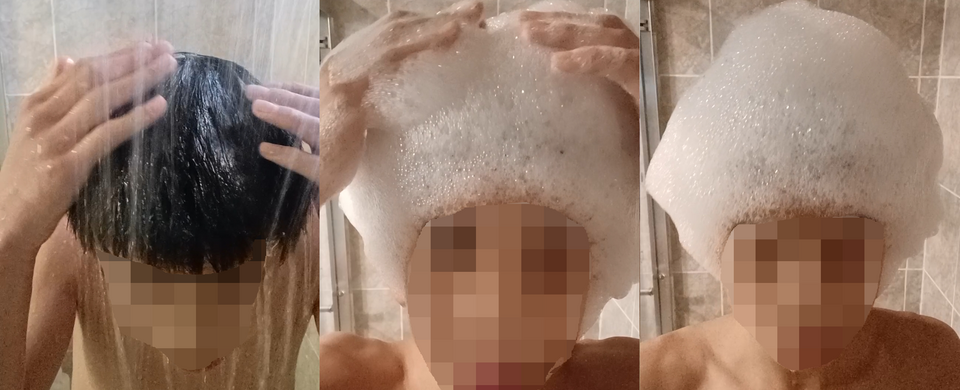
Why We Wash Our Hair
Hair follicles produce a natural oil called sebum that lubricates and protects each strand of hair. While some sebum is healthy, too much of it makes hair look greasy and can clog follicles. Washing your hair with shampoo removes excess sebum, sweat, environmental pollutants, and any product buildup. Clean hair is less likely to develop odor or scalp problems like dandruff. Shampoo works by using special molecules called surfactants that grab onto oil and dirt so water can rinse them away.
How Often to Wash
Not everyone needs to wash their hair the same way or on the same schedule. People with fine or oily hair may need to wash every day because their follicles produce more sebum. People with coarse, curly, or dry hair may only need to wash once a week to avoid stripping away the natural oils that keep their hair moisturized and healthy. Washing too often can actually make oily hair worse by causing follicles to produce even more oil to compensate. The best approach is to pay attention to how your hair looks and feels and adjust your routine accordingly.
Taking Care of Your Scalp
Your scalp is skin — and just like the rest of your skin, it needs care. A healthy scalp means healthy hair growth because follicles need good blood flow and clean pores to work properly. When you shampoo, focus on gently massaging the scalp with your fingertips rather than scrubbing roughly with your nails. Dandruff, which causes white flakes to fall from the scalp, is common and can be treated with special medicated shampoos. If your scalp feels itchy, tight, or very dry, it might need a gentler shampoo or less frequent washing.
Understanding Head Lice
Head lice are tiny wingless insects about the size of a sesame seed that live on the scalp and feed on small amounts of blood. They are very common among school-age children and spread through direct head-to-head contact — they cannot jump or fly. Getting head lice does not mean a person is dirty or has poor hygiene, since lice prefer clean hair just as much as unwashed hair. Treatment involves using a special medicated shampoo and carefully combing out the lice and their eggs (called nits) with a fine-toothed comb. Telling a parent or school nurse right away helps get treatment started quickly and prevents spreading lice to others.
Brushing and Combing
Regular brushing or combing does more than just make your hair look neat. It distributes your hair’s natural oils from the scalp down the length of each strand, keeping hair moisturized and shiny. Brushing also removes tangles, loose hairs, and small debris. For curly or textured hair, use a wide-toothed comb and start detangling from the ends, working your way up to the roots to avoid breakage. Brushing too aggressively or using the wrong kind of brush for your hair type can cause damage and split ends.
Different Hair Types
People around the world have many different hair types, ranging from straight to wavy to curly to coily. Each type has its own care needs — straight hair tends to show oil quickly, while curly and coily hair types are more prone to dryness. Curly hair benefits from leave-in conditioners and gentle handling to maintain its shape and moisture. No hair type is better or worse than any other, and learning what works best for your hair is an important part of personal care. Celebrating the diversity of hair types is part of appreciating what makes each person unique.
Grooming and Self-Care
Grooming means taking care of your overall appearance, and it goes beyond just your hair. Keeping your hair clean and styled, your nails trimmed, and your clothes neat are all part of presenting yourself well. Good grooming habits help people feel confident and ready to face the day. Starting a personal care routine as a kid builds habits that will serve you well as a teenager and adult. Taking time to care for yourself is not about vanity — it’s a form of self-respect that shows you value your own health and well-being.
 OtterKnow Kids Encyclopedia