Why Organization Reduces Stress
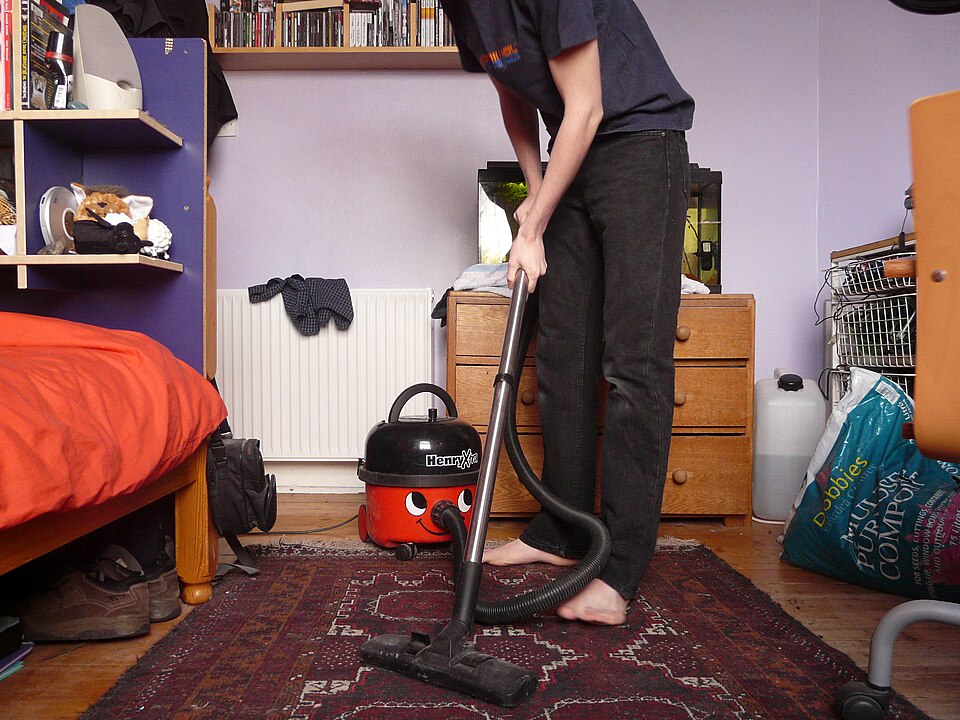
Research shows that messy, cluttered environments increase stress and make it harder to focus. When your desk, backpack, or room is cluttered, your brain has to work harder because the clutter competes for your attention. A tidy space sends a signal to your brain that things are under control, which helps you feel calm and ready to work. Students who keep organized binders and folders spend less time searching for lost papers and more time actually learning. Even small organizational improvements — like cleaning out your backpack once a week — can make a big difference in how stressed you feel.
Simple Systems That Work
The best organization systems are simple enough that you will actually use them every day. A homework folder with two pockets — one for “to do” and one for “done” — keeps assignments from getting lost. Putting your backpack in the same spot every day means you always know where it is when it’s time to leave. A student planner or assignment notebook helps you keep track of due dates, tests, and projects without relying on memory alone. The key is to pick a system and stick with it long enough for it to become automatic. It usually takes about two to three weeks for a new habit to start feeling natural.
The “Everything Has a Home” Principle
One of the most powerful organization ideas is the principle that every possession should have a specific place where it belongs. Your shoes go by the door, your library books go on the shelf, your pencils go in the cup on your desk. When everything has a home, tidying up is fast because you don’t have to decide where things go — you just put them back. Finding things is also much easier because you always know where to look. This principle works for schoolwork too — having a specific folder for each subject means papers don’t pile up in a jumbled mess.
Taking Ownership of Your Actions
Personal responsibility means understanding that your choices have consequences and that you are in charge of what you do. If you forget your homework, a responsible person doesn’t blame the teacher or a sibling — they figure out how to prevent it from happening again. Taking responsibility also means admitting mistakes honestly instead of making excuses. This can feel uncomfortable at first, but people respect honesty and it builds trust with teachers, parents, and friends. Responsible people also follow through on promises, whether that means showing up to practice on time or finishing a group project.
Chores Build Character
Children who are given age-appropriate chores develop greater responsibility, a stronger work ethic, and higher self-esteem. A long-term study by the University of Minnesota found that the best predictor of success in young adults was whether they had done household chores as children. Chores teach you that your contributions matter and that being part of a family or community means helping out. Simple tasks like setting the table, feeding a pet, taking out the trash, or loading the dishwasher are all appropriate for kids in grades 3 through 5. The habit of completing tasks without being asked multiple times is one of the most valuable skills you can develop.
Planning tools like to-do lists, calendars, and assignment planners are skills that successful adults use every day, and starting them young builds lifelong habits. A daily to-do list helps you see all your tasks in one place and gives you the satisfaction of crossing items off as you complete them. A monthly calendar helps you plan ahead for big projects, tests, and events so nothing sneaks up on you. Many students find it helpful to spend five minutes each evening reviewing what’s due tomorrow and packing their backpack the night before. These small planning routines prevent the last-minute panic that comes from forgetting something important.
Growing Into Greater Independence
As you get older, teachers and parents expect you to manage more responsibilities on your own. In third grade, someone might remind you to do your homework, but by fifth grade, that’s your job to remember. Building organization and responsibility skills now means the transition to middle school — where you have multiple teachers, a locker, and changing classrooms — will feel manageable rather than overwhelming. Each year, try to take on one more responsibility independently, whether it’s packing your own lunch, managing your own schedule, or keeping your room clean without being asked. These small steps add up to a much more independent and capable you.
 OtterKnow Kids Encyclopedia