Why Planning Ahead Matters
When families don’t plan meals, they are more likely to rely on fast food, takeout, or processed snacks that are high in sugar, salt, and unhealthy fats. Meal planning saves money because you buy only what you need and waste less food. Studies show that Americans throw away about 30 to 40 percent of the food they buy, and planning meals is one of the best ways to reduce that waste. Planned meals are almost always more nutritious than last-minute choices. Having a plan also means you can try new recipes and foods you might not pick on a whim.
Building a Balanced Plate
A balanced meal includes four main parts: a protein, a complex carbohydrate, a healthy fat, and vegetables or fruit. Protein — like chicken, beans, eggs, or fish — helps your muscles grow and repair themselves. Complex carbohydrates — like brown rice, whole wheat bread, or sweet potatoes — give you long-lasting energy for school and play. Healthy fats from avocados, nuts, or olive oil help your brain work at its best. Filling half your plate with colorful vegetables and fruits gives you vitamins, minerals, and fiber your body needs every day.
Packing a Great School Lunch
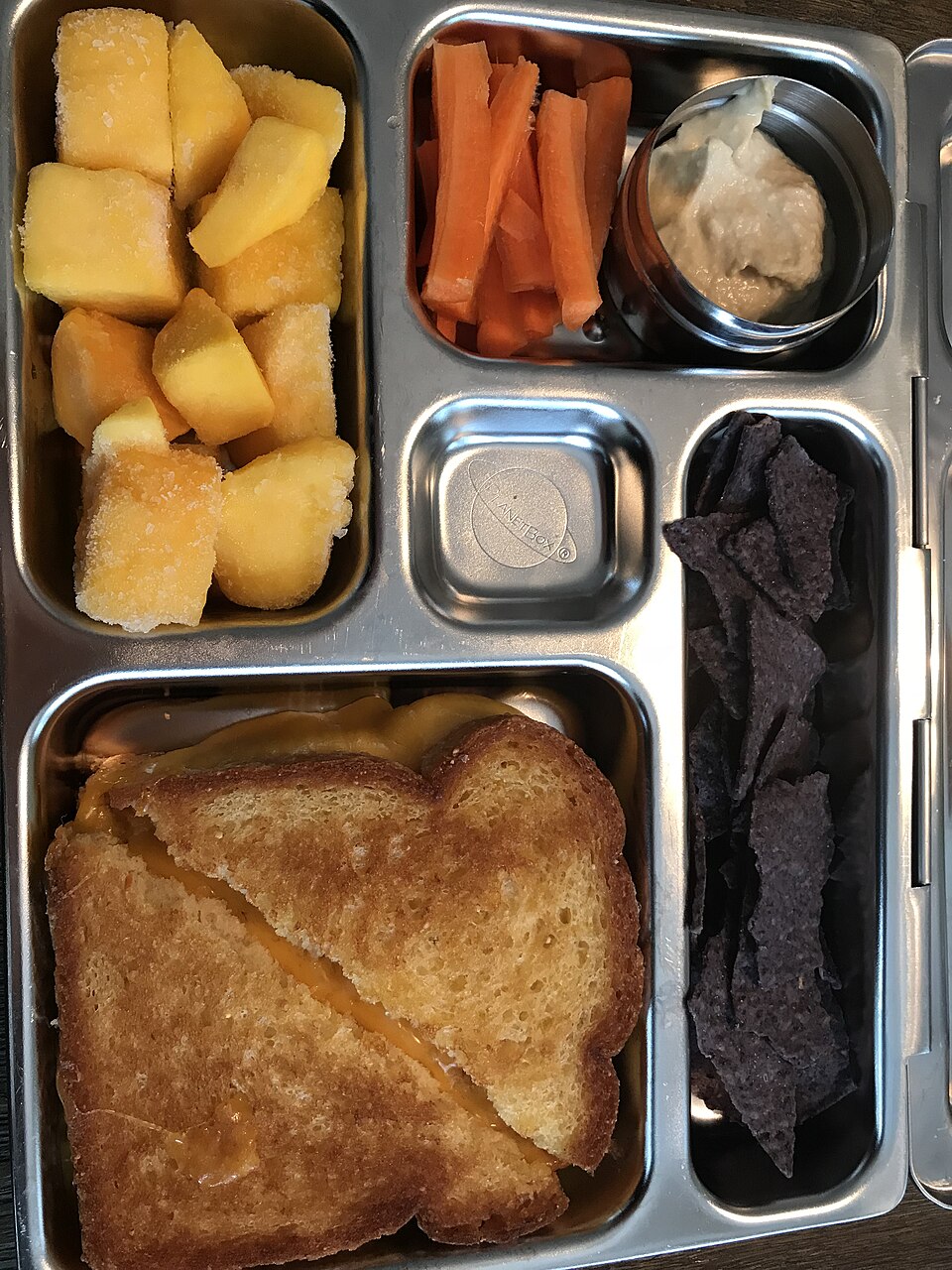
Packing your own lunch is a chance to make sure you get the nutrition you need to learn and stay active all afternoon. A solid packed lunch includes a protein source like hummus, turkey, hard-boiled eggs, or cheese. Add a whole grain such as whole wheat bread, crackers, or a tortilla for steady energy. Always include at least one fruit or vegetable — carrot sticks, apple slices, or berries are easy to pack. Water or milk are the best drink choices, since juice and sports drinks often contain as much sugar as soda.
Why Breakfast Fuels Your Brain
Breakfast is especially important for learning because your brain has gone all night without food. Studies show that children who eat breakfast have better memory, stronger concentration, and higher test scores compared to kids who skip it. A good breakfast combines protein and complex carbs — think oatmeal with nuts, eggs with whole wheat toast, or yogurt with fruit and granola. Skipping breakfast can leave you feeling tired, cranky, and unable to focus during morning classes. Even a small breakfast is better than no breakfast at all.
Smart Snacking
The key to healthy snacking is combining a protein with a complex carbohydrate or fiber to give you sustained energy. An apple with peanut butter, whole grain crackers with cheese, or yogurt with berries are all smart choices. These combinations keep your blood sugar steady instead of causing the spike and crash that comes from sugary snacks like candy or cookies. Snacks should be small enough to tide you over between meals without spoiling your appetite. Keeping pre-cut vegetables, fruit, and healthy snacks ready in the fridge makes it easy to grab a good option.
Getting Involved in the Kitchen
Kids who help plan and prepare meals are more likely to eat a wider variety of healthy foods. You can start by choosing a new vegetable or recipe to try each week. Simple kitchen tasks like washing produce, measuring ingredients, stirring, and assembling sandwiches are great for beginners. Cooking together as a family is also a chance to learn math skills like measuring and fractions, and science concepts like how heat changes food. As you get more comfortable, you can take charge of preparing your own breakfast or packing your lunch independently.
Family Meals and Connection
Research shows that families who eat together at least three times per week have children with better grades, higher self-esteem, and lower rates of risky behavior. Family meals don’t have to be fancy — even a simple dinner at the table counts. The important thing is sitting down together, talking about your day, and enjoying food without screens. Breakfast or lunch together on weekends counts too, not just dinner. Making mealtime a calm, positive experience helps build healthy relationships with both food and family.
 OtterKnow Kids Encyclopedia