Why Humans Need Connection
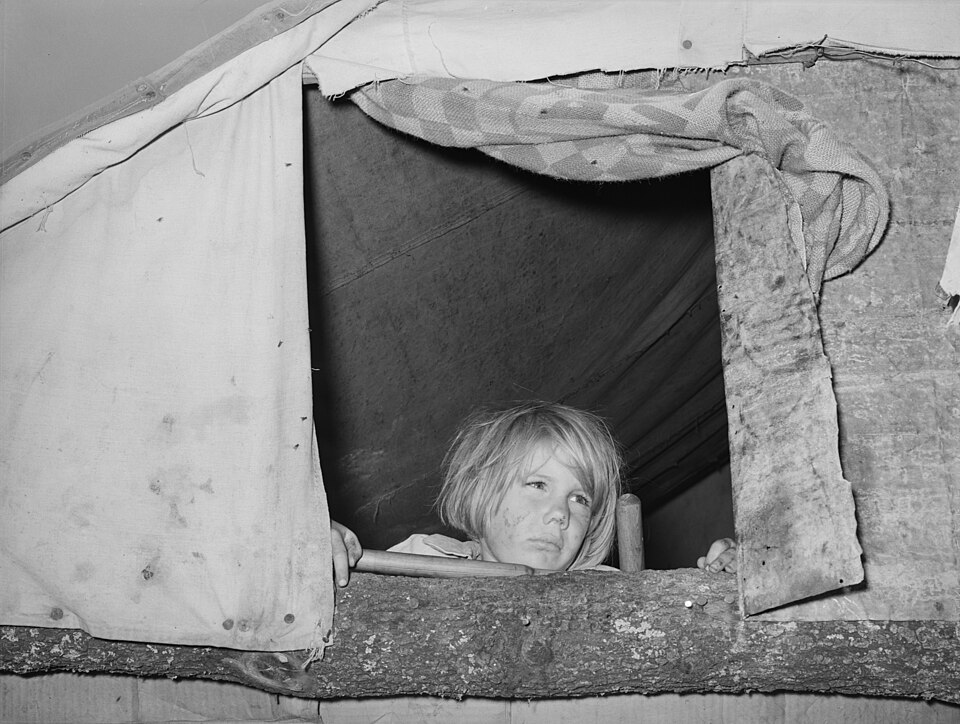
Humans are social animals, and our brains evolved to need connection with other people. For thousands of years, being part of a group meant survival — people who were isolated from their tribe were in real danger. Because of this history, loneliness actually triggers the same areas of the brain that respond to physical pain. That’s why loneliness can genuinely hurt, almost like a stomachache or a headache. Your brain is sending you a signal that something important is missing, just as hunger tells you that you need food.
Loneliness Is a Serious Health Issue
Chronic loneliness, which means feeling lonely for a long time, can have serious effects on your health. Research shows that long-term loneliness increases the risk of heart disease by 29% and the risk of stroke by 32%. It can also increase the risk of dying early by up to 26%. In 2023, the US Surgeon General declared loneliness a public health epidemic, warning that Americans have fewer close friends than ever before. These facts show that connection isn’t just nice to have — it’s something our bodies and minds need to stay healthy.
Many kids and teens use social media to stay connected with friends, but it can sometimes make loneliness worse instead of better. Scrolling through other people’s photos and posts can make you feel like everyone else is having more fun, has more friends, or lives a more exciting life. But what you see online is usually just the highlights — people rarely share their boring or difficult moments. Comparing your everyday life to someone else’s best moments can lead to feelings of being left out, even when you have plenty of good things in your own life.
Ways to Build Real Connection
There are many simple but powerful ways to fight loneliness and build stronger connections. Joining a club, sports team, or activity group is one of the best ways to meet people who share your interests. Volunteering to help others is another great option because working together for a good cause creates strong bonds. You can also reach out to someone you haven’t talked to in a while — a simple text or conversation can restart a friendship. Being a good listener and showing genuine interest in other people is one of the fastest ways to deepen any relationship.
Small Moments Add Up
You don’t need a best friend or a big group to fight loneliness — even brief positive interactions can make a difference. Smiling at someone in the hallway, saying hello to a neighbor, or having a short friendly conversation with a classmate all count. Scientists have found that these small moments of connection activate the brain’s reward system and can reduce feelings of loneliness, at least for a while. Practicing vulnerability, which means sharing how you really feel with someone you trust, can lead to deeper and more meaningful friendships over time.
It’s Okay to Feel Lonely Sometimes
Everyone feels lonely at some point, and there is absolutely nothing wrong with you if you do. Moving to a new school, losing a friend, or going through a big change in your family can all trigger loneliness. The feeling doesn’t mean you are unlikeable or that something is broken about you. It simply means your brain is telling you that it needs more connection. Recognizing and naming the feeling is actually an important first step toward doing something about it.
Reaching Out for Support
If loneliness feels overwhelming or lasts for a long time, it’s important to talk to someone you trust, like a parent, teacher, school counselor, or another caring adult. They can help you figure out ways to make new connections or strengthen the ones you already have. Sometimes just telling someone how you feel is enough to start feeling less alone. Remember that asking for help is brave, and it’s one of the most effective ways to start building the connections your brain and heart need.
 OtterKnow Kids Encyclopedia