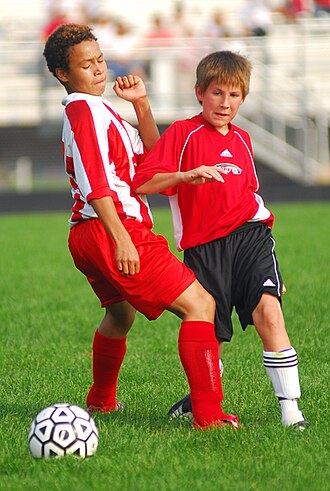
Physical Benefits of Team Sports
Playing team sports is one of the best ways to stay active and build a healthy body. A typical soccer practice or basketball game gets your heart pumping, strengthens your muscles, and improves your coordination and balance. Running, jumping, throwing, and kicking all build different types of fitness — from endurance and speed to strength and flexibility. The Centers for Disease Control and Prevention recommends that children get at least 60 minutes of physical activity every day, and team sports make it easy to reach that goal without it feeling like a chore. Regular physical activity also helps you sleep better, maintain a healthy weight, and build strong bones that will support you for life.
Social and Emotional Benefits
The benefits of team sports go far beyond physical fitness. Studies show that children who play team sports tend to have higher self-esteem, better social skills, and lower rates of anxiety and depression. Being part of a team teaches you how to cooperate with others, communicate clearly, and trust your teammates to do their part. You learn to handle pressure — like taking a free throw with the game on the line — and to bounce back from mistakes without giving up. These are skills that help you in the classroom, at home, and eventually in your future career, making team sports one of the most valuable activities a young person can do.
What Is Sportsmanship?
Sportsmanship means playing fairly, respecting your opponents and officials, supporting your teammates, and accepting the outcome of a game with dignity — whether you win or lose. A good sport congratulates the other team after a loss, doesn’t brag or taunt after a win, and follows the rules even when the referee isn’t watching. Sportsmanship also means giving your best effort every time you play, because your teammates are counting on you. The concept goes back to ancient Greece, where Olympic athletes took an oath to compete honorably. Today, the International Olympic Committee gives a Fair Play award to athletes who demonstrate exceptional sportsmanship during the Games.
Handling Winning and Losing
Learning to handle both winning and losing gracefully is one of the hardest but most important parts of playing sports. When you win, it’s natural to feel excited, but good sportsmanship means celebrating without making the other team feel bad. Shake hands, say “good game,” and remember that your opponents tried their best too. When you lose, it’s okay to feel disappointed — that shows you care — but blaming the referee, your teammates, or making excuses doesn’t help anyone improve. Instead, think about what your team did well and what you could work on for next time. Every great athlete, from soccer stars to basketball legends, has lost many times on their way to success.
The Role of Coaches and Parents
Coaches and parents play a huge role in shaping how young athletes understand sportsmanship. Kids watch how the adults around them behave — if a parent yells at a referee or a coach throws a tantrum after a loss, children learn that those behaviors are acceptable. The best coaches teach that effort, improvement, and teamwork matter more than the final score. According to the Aspen Institute’s State of Play report, only about 38 percent of children ages 6 to 12 in the United States play team sports regularly, and one major reason kids quit is because adults make it too stressful. When coaches and parents model respect, encouragement, and fair play, children are more likely to stick with sports and enjoy them for years.
Finding the Right Sport
Not every team sport is right for every kid, and that’s perfectly fine. Some children love the fast pace of basketball or soccer, while others prefer the strategy of baseball or volleyball. If you’re not sure which sport to try, many community recreation centers and schools offer introductory programs where you can sample different activities. Think about what you enjoy — do you like running, throwing, kicking, or working with your hands? Consider sports that match your interests and body type, but also be willing to try something unexpected. The most important thing is finding a sport that makes you excited to show up to practice and play with your teammates.
Sportsmanship Beyond the Game
The lessons you learn from team sports and sportsmanship apply to every part of your life, not just the playing field. When you practice cooperation and communication with teammates, you’re building skills that help you work on group projects at school. When you learn to lose gracefully, you’re preparing yourself to handle setbacks and challenges with maturity. Respecting opponents teaches you to treat everyone with kindness, even people you’re competing against for a spot on the honor roll or a role in the school play. Whether or not you grow up to be a professional athlete, the values of hard work, fairness, and respect that team sports teach will serve you well for the rest of your life.
 OtterKnow Kids Encyclopedia