How Muscles Get Stronger
Your body has over 600 skeletal muscles, and they make up about 40 percent of an adult’s total body weight. Muscles are made of tiny fibers bundled together like threads in a rope. When you exercise hard, those fibers develop microscopic tears — but don’t worry, that’s actually a good thing. Your body repairs those tiny tears and builds the fibers back even stronger than before. This process is why rest days between strength workouts are so important — your muscles need time to rebuild and grow.
What Is Flexibility?
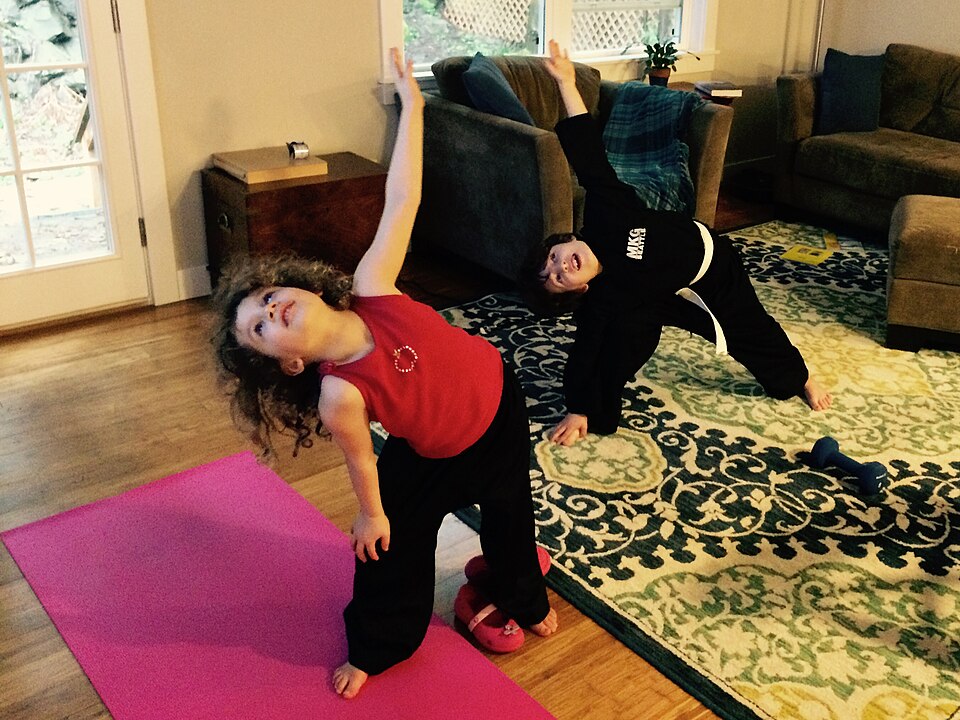
Flexibility is the range of motion your joints and muscles can move through. If you can touch your toes easily or do a full split, you have great flexibility in those areas. Different people are naturally more or less flexible, but everyone can improve their flexibility with regular practice. Activities like yoga, gymnastics, dance, and martial arts are excellent for building flexibility. Even simple stretching routines done a few times a week can make a real difference in how freely your body moves.
Why Flexibility Matters
Being flexible does much more than letting you do cool tricks. Good flexibility helps you maintain better posture, which means less back and neck pain as you grow. Flexible muscles and joints are less likely to get injured during sports or everyday activities because they can absorb sudden movements without tearing. Stretching regularly also reduces muscle soreness after exercise, so you recover faster and feel ready for your next workout sooner. Athletes in almost every sport work on flexibility because it helps them perform better — a soccer player needs flexible hips, and a swimmer needs flexible shoulders.
Safe Stretching Tips
One of the most important rules of stretching is to never stretch cold muscles. Stretching muscles that haven’t been warmed up is like trying to bend a cold rubber band — it’s more likely to snap or tear. Always do at least five minutes of light activity like jogging in place or jumping jacks before you stretch. When you hold a stretch, ease into it slowly and hold for 15 to 30 seconds without bouncing. You should feel a gentle pull in the muscle, but stretching should never cause sharp pain — if it hurts, you’ve gone too far.
Strength Exercises for Kids
Some of the best strength exercises for kids need no equipment at all. Push-ups work your chest, shoulders, and arms, and you can start with wall push-ups or knee push-ups if regular ones are too hard at first. Squats strengthen your legs and core — pretend you’re sitting back into an invisible chair. Planks are amazing for building core strength, which helps with balance and posture. Try holding a plank for 20 seconds and work your way up to a full minute over several weeks.
Flexibility Exercises for Kids
A great flexibility routine can take as little as 10 minutes. The butterfly stretch, where you sit with the soles of your feet together and gently press your knees toward the floor, opens up your hips. Touching your toes while seated with legs straight stretches your hamstrings and lower back. The cat-cow stretch, done on hands and knees while alternating between arching and rounding your back, is wonderful for spinal flexibility. Shoulder stretches, like reaching one arm across your chest and holding it with the other hand, keep your upper body loose and mobile.
Building a Routine
The best exercise routine combines both strength and flexibility training throughout the week. Try doing strength exercises two or three days per week with at least one rest day in between, and add stretching to the end of every workout. Keep a journal or chart to track your progress — you might be surprised how quickly you improve. Remember that everyone starts at a different level, so compare yourself only to where you were last week, not to anyone else. Staying consistent is what matters most, and picking exercises you actually enjoy makes that much easier.
 OtterKnow Kids Encyclopedia