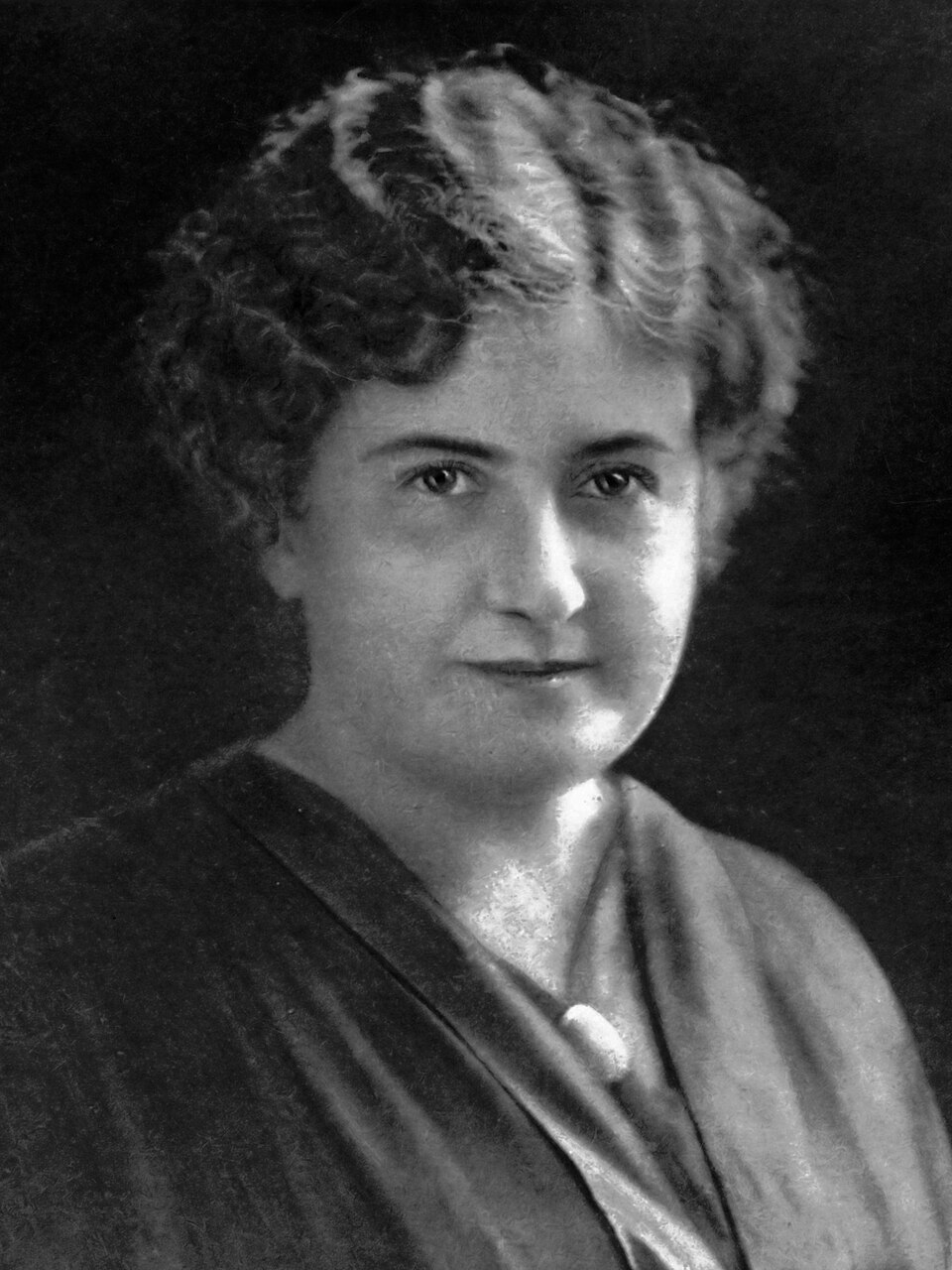
Breaking Barriers in Medicine
As a teenager, Maria shocked her family by announcing she wanted to become a doctor — something almost no woman in Italy had ever done. Her father opposed the idea, but her mother supported her completely. Maria worked incredibly hard and faced discrimination from male students and professors who did not believe women belonged in medical school. In 1896, she earned her medical degree from the University of Rome, becoming one of Italy’s first female physicians. Her determination to succeed against the odds would shape everything she did later in life.
Discovering How Children Learn
After graduating, Dr. Montessori began working at a psychiatric clinic in Rome where she cared for children with intellectual disabilities. At the time, most people believed these children could never learn, but Montessori noticed something important. She observed that the children learned best when they could touch and handle objects rather than just listen to lectures. She began creating special learning materials and watched as children who had been called “hopeless” started reading and writing. This experience changed her life and made her want to study how all children learn.
The First Children’s House
On January 6, 1907, Montessori opened the first Casa dei Bambini, which means “Children’s House” in Italian, in the San Lorenzo neighborhood of Rome. This was one of the city’s poorest areas, and the school served children ages 3 to 6 whose parents worked during the day. Montessori designed child-sized furniture so that young learners could move freely and reach everything on their own. She created special self-correcting materials that let children discover their mistakes without being told by a teacher. The results amazed visitors — children who had been running wild in the streets were now reading, writing, and doing math with joy and focus.
The Montessori Method
From her observations at the Children’s House, Montessori developed a completely new way of teaching that became known as the Montessori Method. In her approach, children choose their own activities from carefully prepared options and work at their own pace rather than following a teacher’s schedule. Classrooms mix children of different ages so that older students can help younger ones, and everyone learns from each other. Teachers act as guides who observe and support rather than standing at the front of the room giving lectures. Montessori believed that children have a natural desire to learn and that the teacher’s job is to create an environment where that desire can flourish.
Spreading Her Ideas Around the World
News of Montessori’s results spread quickly, and educators from many countries traveled to Rome to see her methods in action. She wrote books, gave lectures across Europe and the Americas, and trained thousands of teachers in her approach. By the 1910s and 1920s, Montessori schools had opened in countries including the United States, India, England, and Argentina. During World War II, Montessori lived in India for several years, where she trained teachers and deepened her ideas about peace education. By the time of her death, Montessori schools existed on every inhabited continent, and today there are more than 20,000 Montessori schools worldwide.
Honors and Recognition
Montessori’s contributions to education earned her recognition from leaders and organizations around the world. She was nominated for the Nobel Peace Prize three times — in 1949, 1950, and 1951 — because people recognized that her work with children was also work for a more peaceful world. The Italian government honored her by placing her portrait on the 1,000-lira banknote, making her one of the few women ever featured on Italian currency. Universities awarded her honorary degrees, and governments invited her to speak about the future of education. Her image and legacy remain symbols of innovation in teaching to this day.
Legacy and Lasting Impact
Maria Montessori died on May 6, 1952, at the age of 81, in Noordwijk, the Netherlands. She left behind a worldwide movement that continues to grow and influence how millions of children are educated. Her ideas about hands-on learning, mixed-age classrooms, and following the child’s interests were revolutionary in her time and are now supported by modern brain science. Many practices that seem normal today — like child-sized furniture in classrooms and learning centers where kids can explore — came directly from Montessori’s work. She proved that when you trust children and give them the right environment, they can accomplish far more than adults expect.
 OtterKnow Kids Encyclopedia