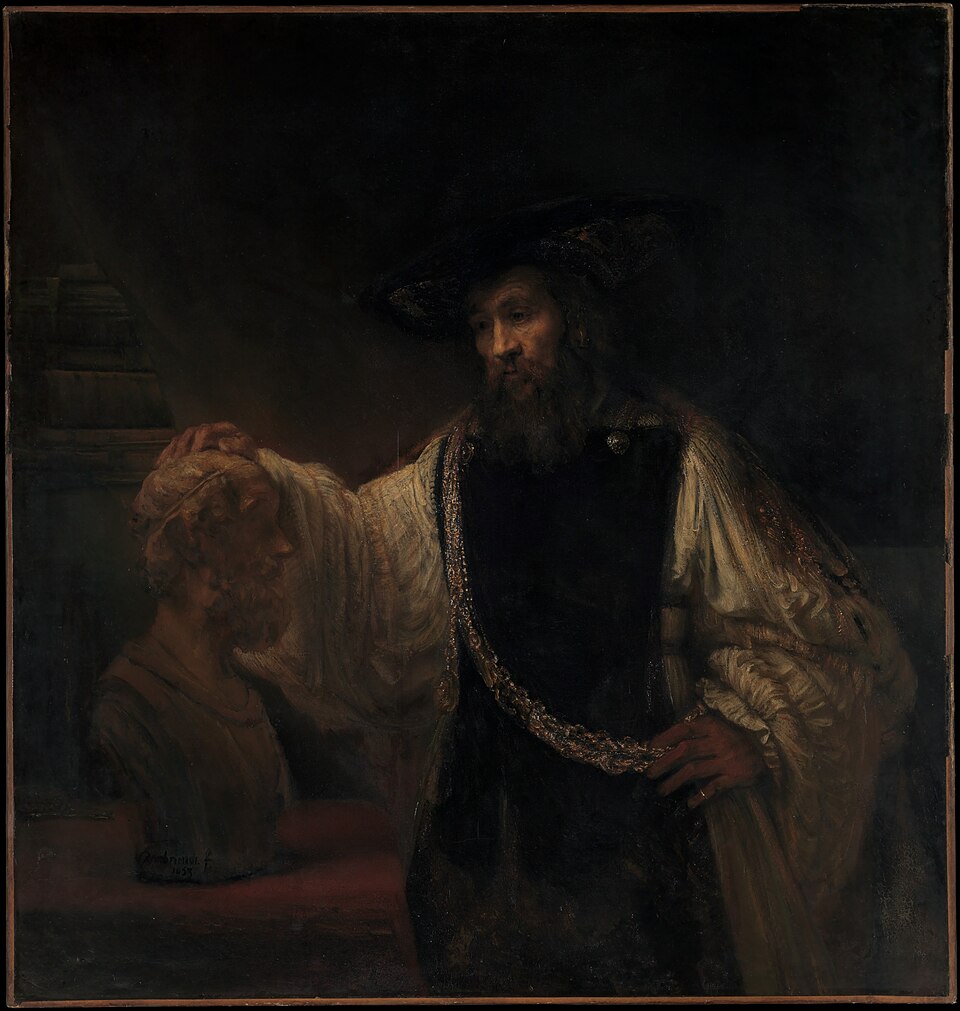
Studying at Plato’s Academy
When Aristotle was 17 years old, he traveled to Athens to study at the Academy, a famous school run by the great philosopher Plato. He stayed there for an incredible 20 years, from 367 to 347 BCE, first as a student and later as a teacher. Aristotle became Plato’s greatest student, though the two did not always agree on their ideas about the world. While Plato believed that perfect ideas existed in an invisible world beyond our senses, Aristotle thought we should study the real world we can see and touch. This difference would lead Aristotle to develop his own way of thinking about nature and knowledge.
Tutoring Alexander the Great
In 343 BCE, King Philip II of Macedonia invited Aristotle to tutor his 13-year-old son, Alexander. Aristotle taught the young prince about science, philosophy, medicine, and literature for several years. Alexander turned out to be one of the most famous leaders in all of history, conquering most of the known world and earning the name Alexander the Great. Historians believe that Aristotle’s lessons helped shape Alexander’s love of learning and his curiosity about distant lands. It is one of the most famous teacher-student relationships ever recorded.
Founding the Lyceum
In 335 BCE, Aristotle returned to Athens and founded his own school, called the Lyceum. He had a habit of walking back and forth along covered walkways while teaching his students. Because of this, his followers were given the nickname “Peripatetics,” which comes from the Greek word for walking. The Lyceum became a center of learning where students studied everything from plants to politics. Aristotle and his students also built one of the ancient world’s first great libraries at the school.
A Mind That Covered Everything
Aristotle wrote about an astonishing range of subjects, more than almost any other person in history. He created works on logic, physics, biology, astronomy, ethics, politics, theater, poetry, and rhetoric. In many of these fields, he was the first person to organize ideas into a clear system that others could study and build upon. He essentially created the first encyclopedic system of Western knowledge. Many of the subjects taught in schools today can be traced back to the categories Aristotle defined over 2,300 years ago.
The Father of Biology
One of Aristotle’s greatest contributions was in the study of living things. He carefully observed and classified over 500 species of animals, grouping them into categories based on their shared traits. For example, he separated animals with backbones from those without, an idea that scientists still use today. He studied how animals moved, what they ate, and how they raised their young. His detailed observations laid the groundwork for the entire field of modern biology and earned him the title “Father of Biology.”
His Ideas Shaped the World
Aristotle died in 322 BCE at the age of 62, but his ideas lived on for nearly 2,000 years after his death. During the Middle Ages, the Catholic Church adopted many of his ideas and wove them into Christian theology. His writings on logic became the basis for how scholars argued and reasoned for centuries. When European universities were founded in the 1100s and 1200s, Aristotle’s works were some of the most important texts studied. Even today, philosophers, scientists, and teachers continue to study and debate his ideas.
Why Aristotle Matters Today
Aristotle is often considered one of the most influential people who ever lived. He taught the world to observe nature carefully, ask questions, and organize knowledge into systems that make sense. His belief that we should study the real world through careful observation helped pave the way for modern science. Students who learn to classify animals, study logic, or debate ideas in school are following in the footsteps of Aristotle. More than two thousand years later, his curiosity and love of learning still shape how we think and learn.
 OtterKnow Kids Encyclopedia