Education and Training
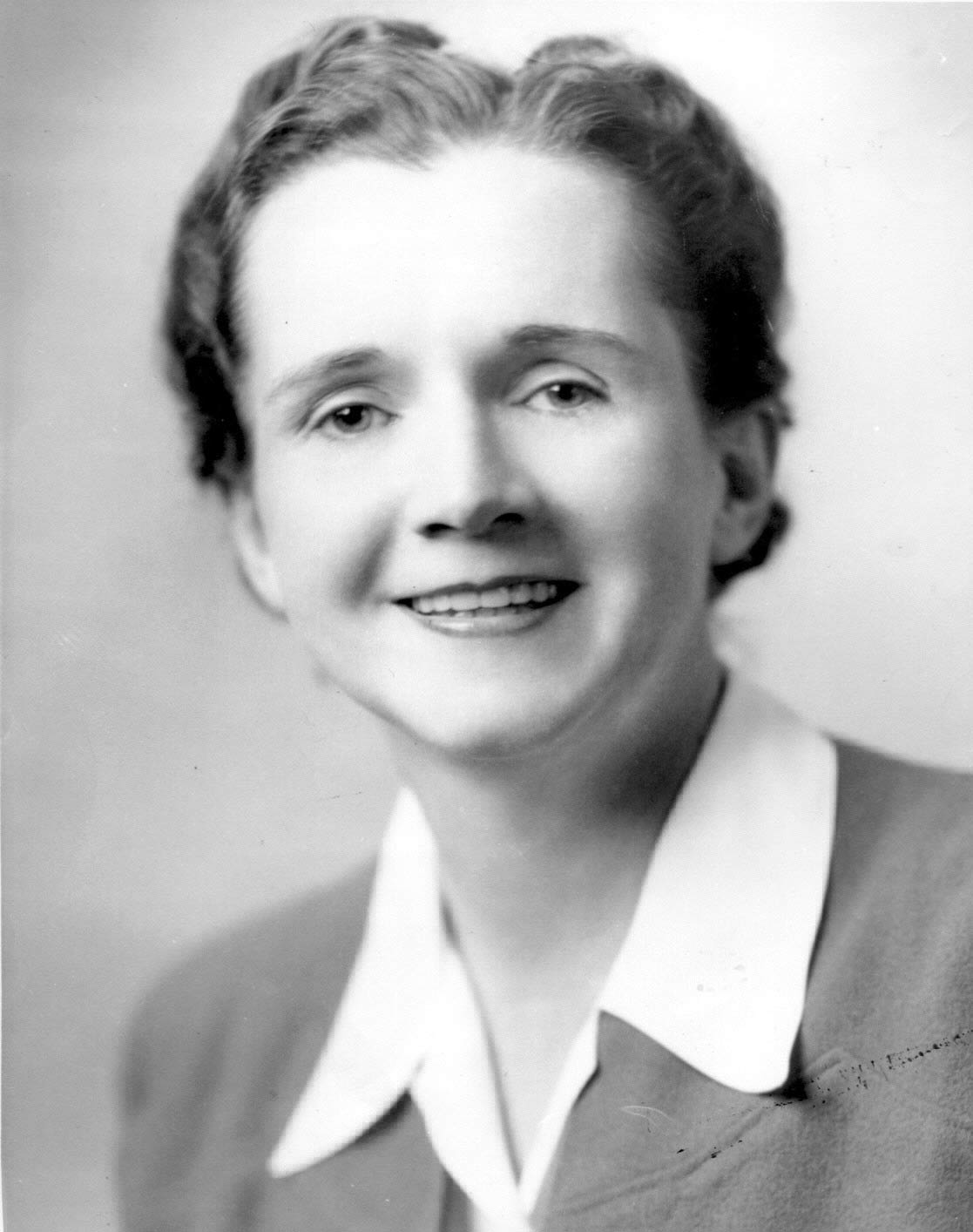
Rachel attended the Pennsylvania College for Women, where she started as an English major but switched to biology after a professor inspired her love of science. She went on to earn a master’s degree in zoology from Johns Hopkins University in 1932, studying the kidneys of reptiles and fish. At the time, very few women pursued advanced science degrees, and Rachel was one of only a handful of women in her program. She also studied at the Marine Biological Laboratory in Woods Hole, Massachusetts, where she saw the ocean for the first time and fell in love with marine life.
Career at the Fish and Wildlife Service
After graduating, Rachel worked as a marine biologist and writer for the United States Fish and Wildlife Service for 15 years. Her job was to write pamphlets, booklets, and radio scripts that explained ocean life and conservation to the public. She quickly became known for her ability to turn complicated science into beautiful, clear writing that anyone could enjoy. She rose through the ranks to become editor-in-chief of all the agency’s publications. Her government work gave her deep knowledge of ecosystems, wildlife, and the growing threats facing the natural world.
The Sea Around Us
In 1951, Rachel published her second book, “The Sea Around Us,” which described the history, science, and mystery of the world’s oceans. The book was a sensation — it won the National Book Award and spent an incredible 86 weeks on the New York Times bestseller list. Readers loved how Rachel made ocean science feel like a thrilling adventure story. The book was translated into more than 30 languages and made Rachel famous around the world. Its success allowed her to quit her government job and write full-time, which had always been her dream.
Silent Spring
In 1962, Rachel published “Silent Spring,” the book that would change history. The book carefully documented how chemical pesticides, especially one called DDT, were poisoning birds, fish, insects, and other wildlife and entering the food chain. The title imagined a future spring season so quiet that no birds would be left alive to sing. Rachel spent four years researching the book, gathering scientific evidence from researchers across the country. She showed that these chemicals did not just kill pests — they built up in the environment and harmed every living thing, including humans.
Fighting Back Against Critics
“Silent Spring” faced fierce attacks from the chemical industry, which spent millions of dollars trying to discredit Rachel and her work. Companies called her an emotional woman who did not understand science, and they tried to stop the book from being published. But Rachel stood firm and let the science speak for itself. She testified before a congressional committee in 1963, calmly presenting her evidence even though she was secretly battling breast cancer. President John F. Kennedy read the book and ordered his Science Advisory Committee to investigate her claims, and they confirmed she was right.
Her Lasting Impact
Rachel Carson’s work led to real and lasting change for the environment. DDT was banned in the United States in 1972, and bird species that had been nearly wiped out, including the bald eagle, peregrine falcon, and osprey, began to recover. Her book inspired the creation of the Environmental Protection Agency in 1970 and helped launch the modern environmental movement. Many historians consider “Silent Spring” one of the most important books of the twentieth century. Rachel showed that one person with courage and careful science could stand up to powerful industries and change the world.
Legacy and Honors
Rachel Carson died on April 14, 1964, of breast cancer at the age of 56. Although she did not live to see the DDT ban or the creation of the EPA, her influence only grew after her death. She was awarded the Presidential Medal of Freedom in 1980, and her childhood home in Springdale, Pennsylvania, is now a National Historic Landmark. Schools, wildlife refuges, bridges, and parks across the country bear her name. Rachel Carson is widely credited with starting the global conversation about protecting our planet that continues to this day.
 OtterKnow Kids Encyclopedia