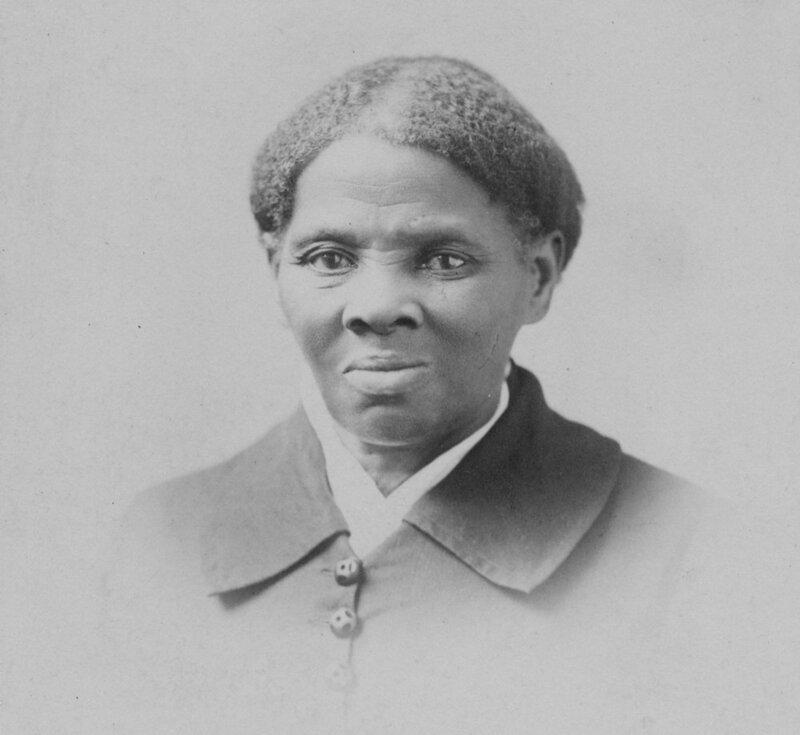
Escape to Freedom
In 1849, Harriet made the bold decision to escape from slavery. She traveled roughly 90 miles north from Maryland to Philadelphia, Pennsylvania, using the Underground Railroad — a secret network of safe houses and brave helpers. She walked mostly at night, following the North Star to stay on course. When she finally reached free soil, she later said she felt like she was in heaven. But her joy was mixed with sadness because her family was still trapped in slavery back in Maryland.
The Underground Railroad
After reaching freedom, Harriet refused to enjoy it alone. She returned to the South 13 times to rescue family members and other enslaved people. Over the course of about a decade, she led approximately 70 people to freedom through the Underground Railroad. She used clever tricks to avoid capture, such as traveling on Saturdays when newspapers would not print runaway notices until Monday. People began calling her “Moses of her people” because, like the biblical figure, she led her people out of bondage.
Never Lost a Passenger
One of the most amazing things about Harriet Tubman is that she never lost a single passenger on the Underground Railroad. She used the North Star for navigation and relied on a network of safe houses where escaping families could hide and rest. She carried a pistol for protection and to make sure no one turned back, since a returning person could reveal the route to slave catchers. Her courage and careful planning kept everyone safe on the dangerous journey north. Rewards for her capture eventually totaled $40,000 — an enormous sum at the time.
Civil War Hero
When the Civil War broke out in 1861, Harriet joined the Union Army as a spy, scout, and nurse. She was the first woman to lead an armed military operation in American history. On June 2, 1863, she guided Union gunboats up the Combahee River in South Carolina in a daring raid. The Combahee River Raid freed more than 700 enslaved people in a single night. Her bravery and intelligence made her one of the most valuable assets the Union Army had in the South.
Fighting for Women’s Rights
After the war ended, Harriet turned her energy toward another important cause — women’s suffrage. She worked alongside famous activists Susan B. Anthony and Elizabeth Cady Stanton to win women the right to vote. She gave speeches at suffrage meetings and used her own story of courage to inspire others. Harriet believed that all people, regardless of race or gender, deserved equal rights. She continued this fight well into her later years, never losing her passion for justice.
Later Life and Legacy
In her final years, Harriet settled in Auburn, New York, where she opened a home for elderly African Americans who had nowhere else to go. She lived simply and gave away much of what she earned to help others in need. Harriet Tubman died on March 10, 1913, at roughly 91 years of age. Her legacy is so important that she has been chosen to appear on the United States $20 bill. She is remembered as one of the bravest and most selfless leaders in American history.
Why She Matters Today
Harriet Tubman’s story teaches us that one person’s courage can change the world. She risked her life again and again to help strangers reach freedom, asking for nothing in return. Her belief in justice inspired the civil rights leaders who came after her, including people like Martin Luther King Jr.. Schools, museums, and national parks across the country honor her memory today. Harriet Tubman proved that one person, armed with courage and a plan, can make freedom real for others.
 OtterKnow Kids Encyclopedia