Fighter Pilot and Test Pilot
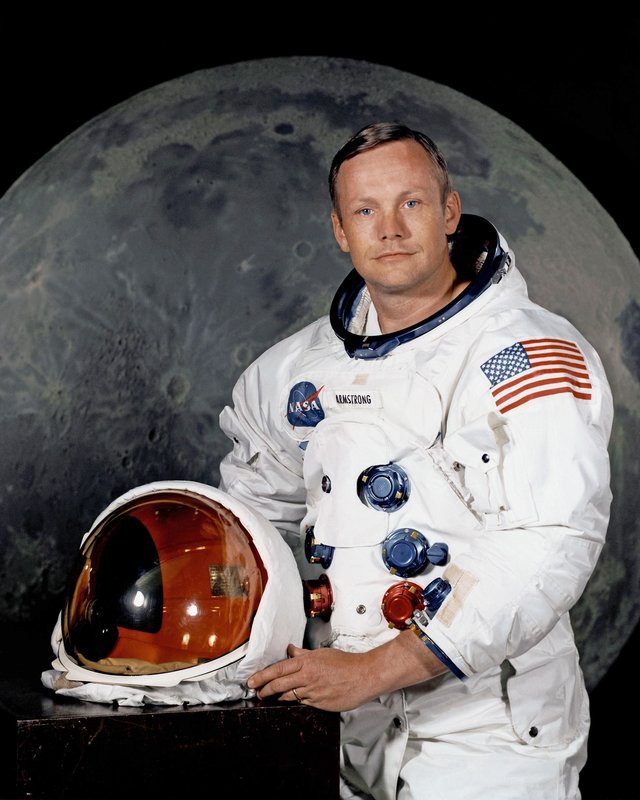
After studying aeronautical engineering at Purdue University, Armstrong served as a Navy fighter pilot during the Korean War, flying seventy-eight combat missions. He then became a test pilot at Edwards Air Force Base in California, where he flew some of the fastest and most experimental aircraft ever built. One of those was the X-15 rocket plane, which he flew to the edge of outer space at speeds over 4,000 miles per hour. Test pilots faced extreme danger every time they climbed into the cockpit, and several of Armstrong’s colleagues were killed during test flights. This experience made him calm under pressure, a quality that would save his life more than once.
The Gemini 8 Mission
Before going to the Moon, Armstrong flew his first space mission as commander of Gemini 8 in March 1966. During the mission, Armstrong and pilot David Scott performed the first successful docking of two spacecraft in orbit. However, a thruster malfunction caused the spacecraft to spin wildly out of control, and the crew was in serious danger. Armstrong kept his cool and used the reentry thrusters to stop the spinning, saving both their lives but cutting the mission short. This emergency showed NASA that Armstrong could handle the most dangerous situations in space with skill and calm thinking.
Walking on the Moon
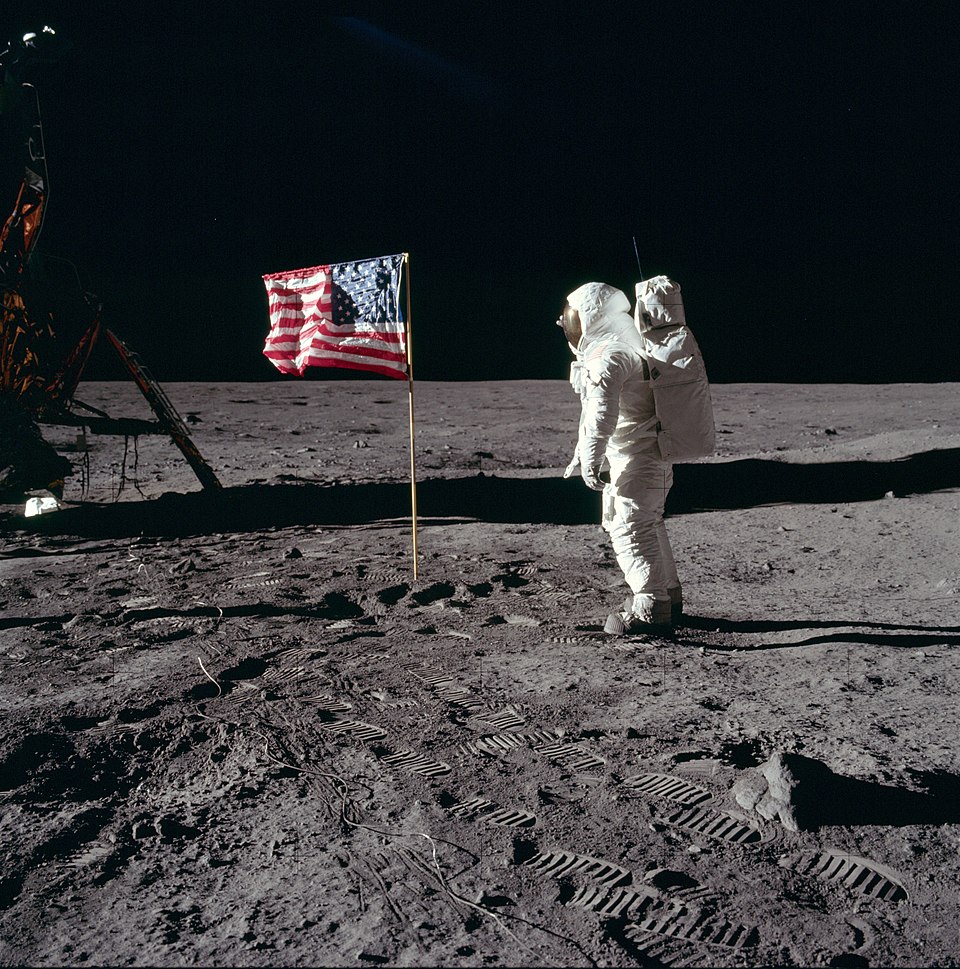
On July 20, 1969, Armstrong piloted the Apollo 11 lunar module Eagle to a safe landing on the Moon’s surface in the Sea of Tranquility. The landing was incredibly tense because the planned landing site was covered with large boulders, so Armstrong had to fly past it and find a clear spot with only about twenty-five seconds of fuel remaining. When he stepped onto the Moon at 10:56 PM Eastern Time, he spoke famous words that were heard by an estimated 600 million people watching on television around the world. Armstrong and fellow astronaut Buzz Aldrin spent about two and a half hours walking on the lunar surface, collecting rock samples and setting up scientific experiments, while Michael Collins orbited above in the command module.
A Quiet Hero
Armstrong carried small pieces of fabric and a piece of the propeller from the Wright Brothers’ 1903 Flyer with him to the Moon, connecting the first powered flight to humanity’s greatest journey. After returning to Earth as the most famous person on the planet, Armstrong surprised many people by stepping away from the spotlight. He left NASA in 1971 and became a professor of aerospace engineering at the University of Cincinnati, where he taught for nearly a decade. Armstrong rarely gave interviews or made public appearances, believing that the Apollo program’s achievement belonged to the thousands of people who made it possible, not just to him. His modesty and dedication to quiet service made him a role model not only as an explorer but as a person.
 OtterKnow Kids Encyclopedia