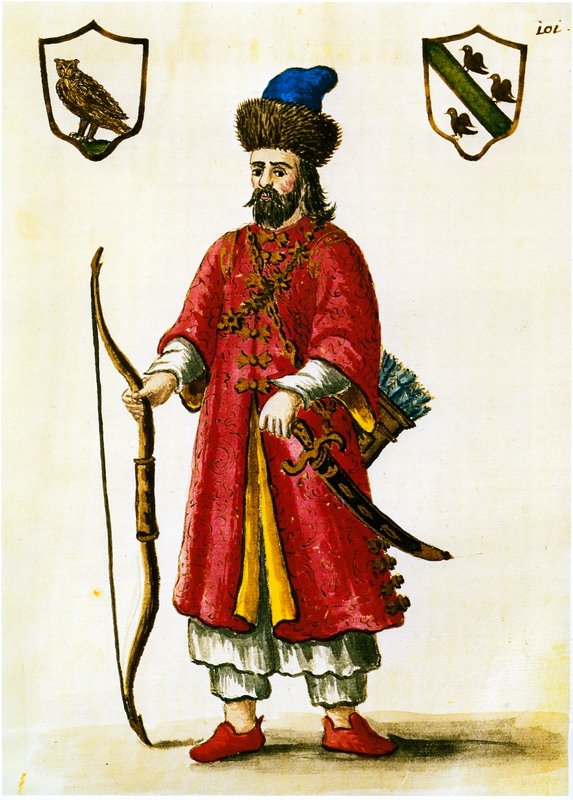
His Epic Journey to China
In 1271, Marco left Venice with his father Niccolo and uncle Maffeo on a journey along the Silk Road to China. The trip took about three and a half years, crossing deserts, mountains, and vast plains before they finally reached the court of Kublai Khan, the powerful Mongol emperor who ruled China. Kublai Khan was impressed by young Marco and welcomed the Polo family into his court. Marco learned the local languages and customs quickly, which made him useful to the emperor. The Polos did not return home to Venice until 1295, meaning Marco spent about seventeen years living in China and traveling throughout Asia.
Working for Kublai Khan
Kublai Khan trusted Marco Polo and gave him important jobs in his government. Marco served as an official and traveled to different parts of the empire on the emperor’s behalf, visiting places that no European had ever seen. He observed how the Mongol Empire was organized, how trade worked across Asia, and how people lived in distant provinces. Marco was amazed by things that did not exist in Europe at the time, such as paper money, coal used for heating, and a postal system that could deliver messages across the huge empire. His position gave him a rare and detailed look at one of the largest empires the world has ever known.
The Travels of Marco Polo
After returning to Venice, Marco Polo was captured during a war between Venice and the rival city of Genoa. While he was in prison, he told his stories to a fellow prisoner named Rustichello da Pisa, who wrote them down in a book called The Travels of Marco Polo. The book described the riches of China, the spices of Southeast Asia, the silk trade, and dozens of lands most Europeans had never heard of. It became wildly popular and was copied by hand and translated into many languages across Europe. Some people called it “Il Milione,” or “The Million,” because they thought Marco’s descriptions of Asia’s wealth were too extraordinary to be true.
His Lasting Impact
Marco Polo’s book inspired generations of explorers, traders, and mapmakers who dreamed of reaching the lands he described. Christopher Columbus carried a well-worn copy of The Travels of Marco Polo on his famous voyage in 1492, writing notes in the margins as he searched for a sea route to Asia. The book helped Europeans learn about Asian civilizations, technologies, and trade goods like silk, spices, and porcelain. Some modern historians have debated whether Marco actually reached China or based parts of his book on stories from other travelers, since he left out details like the Great Wall and Chinese tea. Despite this debate, Marco Polo remains one of the most important figures in the history of exploration and cultural exchange between East and West.
 OtterKnow Kids Encyclopedia