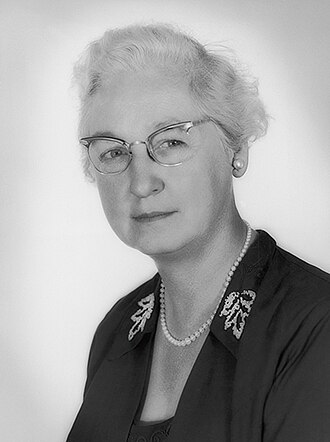
Early Life and Education
Virginia grew up in a family that loved music and science, and she learned to play the violin as a child. She attended Mount Holyoke College and then Columbia University’s College of Physicians and Surgeons, graduating in 1933 near the top of her class. At first, she planned to become a surgeon, but a mentor advised her that it would be very difficult for a woman to succeed in surgery at that time. Instead, she chose the newer field of anesthesiology, where she could still make a big difference in patients’ lives.
Inventing the Apgar Score
Before the Apgar Score existed, there was no standard way to quickly evaluate whether a newborn baby was healthy or needed emergency help. Virginia Apgar created her scoring system in 1952, and it checks five things about a baby: skin color (Appearance), heart rate (Pulse), reflexes (Grimace), muscle tone (Activity), and breathing (Respiration). Each category is scored from 0 to 2, giving a total score out of 10 at one minute and five minutes after birth. A score of 7 or above means the baby is doing well, while a lower score tells doctors the baby needs immediate attention.
How the Apgar Score Saved Lives
The Apgar Score was revolutionary because it gave doctors and nurses a fast, simple way to identify babies in danger during the critical first minutes of life. Before her test, many newborns who were struggling did not receive help quickly enough because there was no organized system for checking on them. Once hospitals started using the Apgar Score, the number of babies who died shortly after birth dropped significantly. Today, the test is used in virtually every hospital in the world and is considered one of the most important advances in newborn medicine.
Breaking Barriers
Virginia Apgar was a trailblazer for women in medicine throughout her career. In 1949, she became the first woman to hold a full professorship at Columbia University’s College of Physicians and Surgeons. She also became an expert in the new science of how anesthesia affects newborns, pioneering safer techniques for both mothers and babies during delivery. Later in her career, she joined the National Foundation for Infantile Paralysis (which became the March of Dimes) and raised millions of dollars for research into birth defects.
Her Lasting Legacy
Virginia Apgar passed away on August 7, 1974, but her impact on medicine continues to this day. In 1994, the United States Postal Service honored her with a 20-cent postage stamp recognizing her contributions to public health. The Apgar Score remains the standard test for newborn health in hospitals around the globe more than seventy years after she invented it. Her story reminds us that a single good idea, when shared widely, has the power to save countless lives.
 OtterKnow Kids Encyclopedia