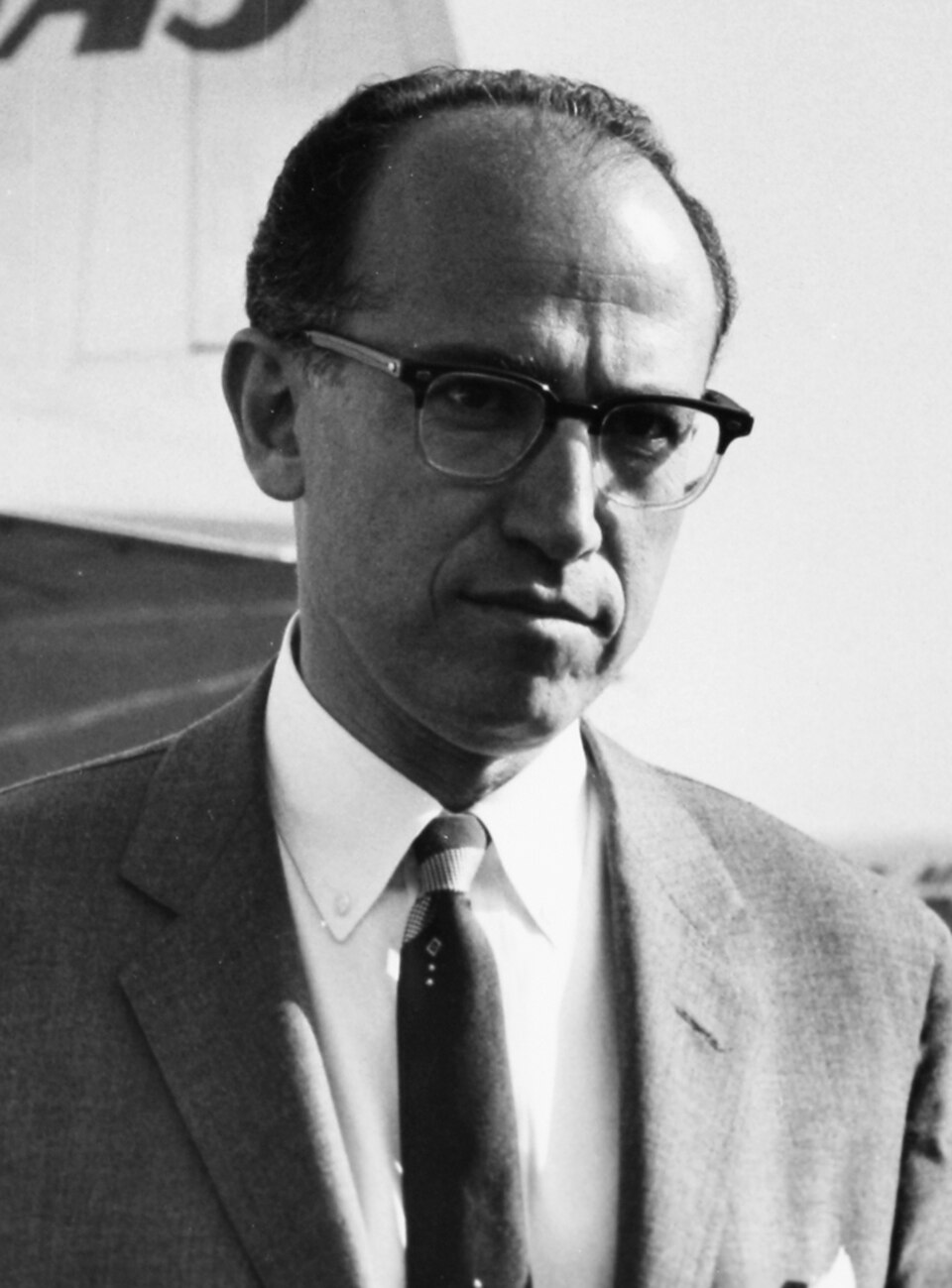
Early Life and Education
Jonas grew up in a modest family in New York City, and his parents encouraged him to study hard. He attended the City College of New York, where he originally planned to study law before switching to medicine. Salk went on to earn his medical degree from New York University School of Medicine in 1939. During medical school, he became fascinated with finding ways to prevent diseases using vaccines rather than just treating sick patients.
The Fight Against Polio
Polio was one of the most feared diseases of the early twentieth century, paralyzing hundreds of thousands of children every year. Parents were terrified each summer when outbreaks swept through communities, closing swimming pools and playgrounds. Salk spent years in his laboratory at the University of Pittsburgh developing a vaccine made from an inactivated, or killed, form of the polio virus. His approach was different from what many scientists believed would work, but he was determined to prove it was both safe and effective.
The Biggest Medical Trial in History
In 1954, Salk’s vaccine was tested in one of the largest medical trials ever conducted, involving about 1.8 million children across the United States and Canada. The brave children who participated in the trial were called the “Polio Pioneers.” On April 12, 1955, the results were announced: the vaccine was safe, effective, and potent. Church bells rang, factory whistles blew, and people wept with joy because the long nightmare of polio was finally coming to an end.
A Gift to the World
When a reporter asked Jonas Salk who owned the patent on the polio vaccine, he famously replied, “The people — could you patent the sun?” Salk never patented his vaccine, giving up what experts estimate could have been worth about seven billion dollars. He believed that the vaccine belonged to everyone and should be shared as widely as possible. His decision helped make the vaccine affordable and available to millions of people around the world.
Later Life and Legacy
In 1963, Salk founded the Salk Institute for Biological Studies in La Jolla, California, which became one of the world’s leading research centers. He spent his later years working on other medical challenges, including research toward an AIDS vaccine. Jonas Salk passed away on June 23, 1995, at the age of eighty. Thanks to his vaccine, polio has been nearly wiped out worldwide, and he is remembered as a hero who put people above profit.
 OtterKnow Kids Encyclopedia