Coming to America
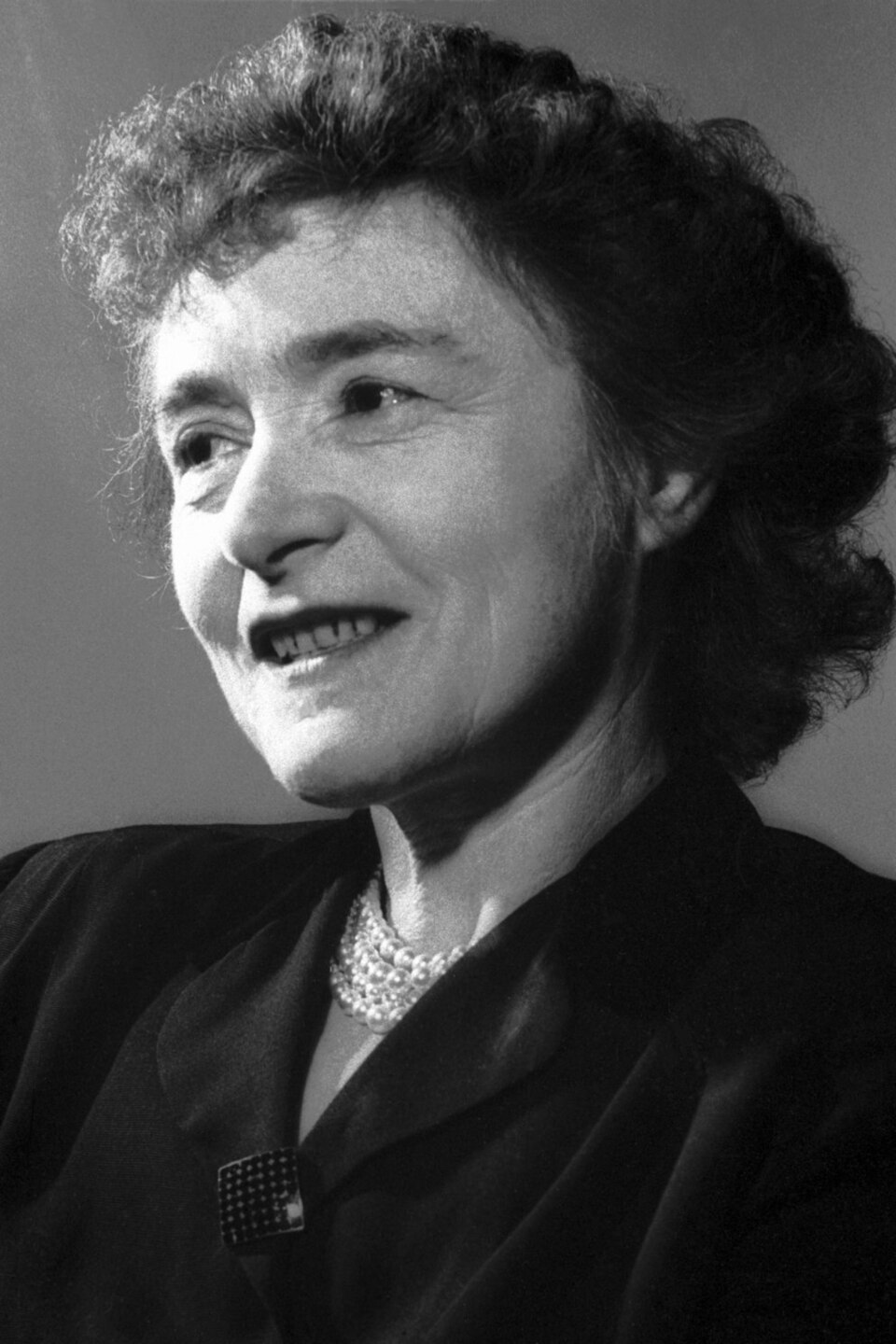
Gerty and Carl married in 1920 and both earned their medical degrees the same year. They moved to the United States in 1922, seeking better opportunities for scientific research. Gerty took a position at the Roswell Park Cancer Institute in Buffalo, New York, but she was paid far less than her male colleagues and was warned that working with her husband would hurt his career. Despite this unfair treatment, Gerty and Carl continued to collaborate in the laboratory because they believed they did their best work together. Over the next several years, they published dozens of important scientific papers as a team.
The Cori Cycle
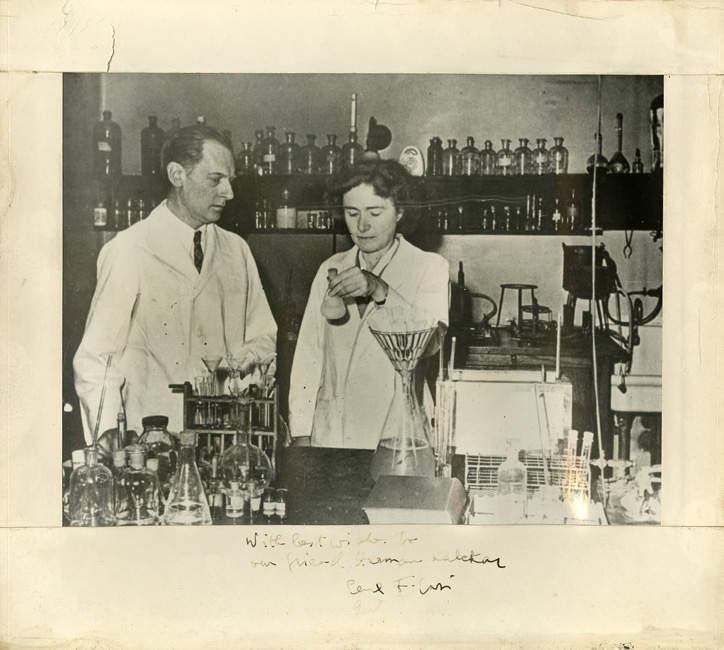
Gerty and Carl’s most famous discovery was the Cori cycle, which explains how the human body uses sugar for energy. They showed that when muscles work hard, they break down a stored sugar called glycogen into a simpler sugar called lactic acid. That lactic acid then travels through the blood to the liver, where it is converted back into glycogen and stored for future use. This cycle keeps our muscles supplied with energy during exercise and helps our bodies recover afterward. Their discovery was a major breakthrough in understanding how the body processes food into fuel.
Nobel Prize and Barriers Broken
In 1947, Gerty Cori became the first American woman to win the Nobel Prize in Physiology or Medicine, sharing the award with Carl and Argentine scientist Bernardo Houssay. Throughout her career, Gerty had faced serious discrimination because she was a woman in science. Some universities refused to hire her, and others offered her positions with very low pay and no official title. Even after winning the Nobel Prize, she continued her research at Washington University in St. Louis, where she also discovered important information about glycogen storage diseases that affect children.
Legacy
Gerty Cori continued working in her laboratory even after being diagnosed with a serious bone marrow disease. She passed away on October 26, 1957, at the age of sixty-one, but her scientific contributions live on. Her research on how the body converts sugar into energy helped doctors understand and treat diabetes and other metabolic diseases. In 2004, a crater on the Moon was named in her honor, and she has been featured on a United States postage stamp. Gerty Cori proved that women belonged at the highest levels of science, and many female researchers since have followed the path she fought so hard to walk.
 OtterKnow Kids Encyclopedia