The Crimean War
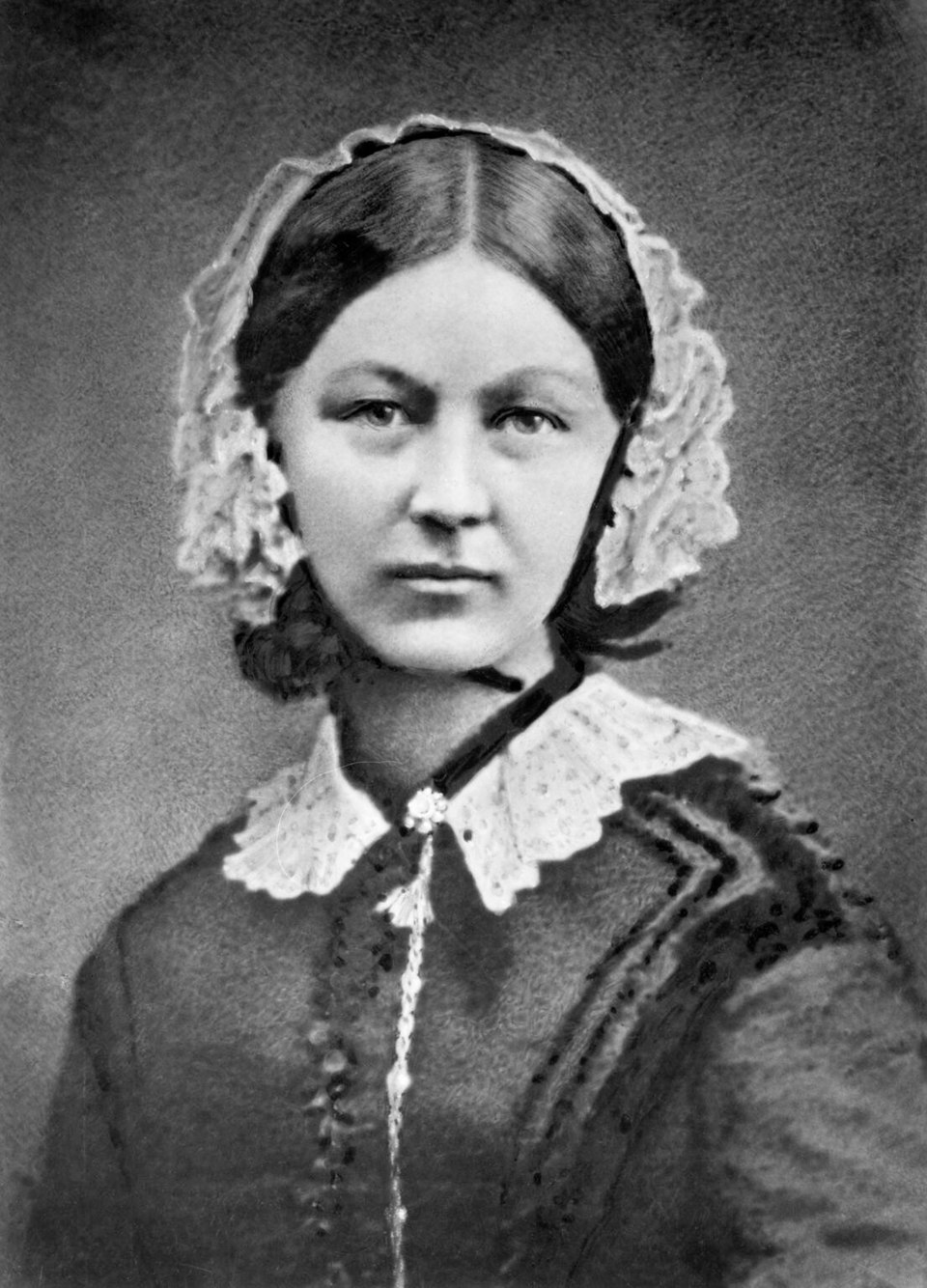
In 1853, war broke out between Russia and an alliance that included Britain, France, and the Ottoman Empire. British soldiers fighting in the Crimean War were dying in huge numbers, not from battle wounds but from infections, cholera, and terrible conditions in military hospitals. In 1854, the British government asked Florence to lead a team of thirty-eight nurses to the military hospital at Scutari in Turkey. When she arrived, she found overcrowded wards, filthy conditions, and a shortage of basic supplies like soap, bandages, and clean bedding.
The Lady with the Lamp
Florence got to work immediately, scrubbing floors, organizing supplies, and improving ventilation in the hospital wards. She insisted on clean water, fresh air, and proper sanitation, and within months the death rate at Scutari dropped dramatically. Soldiers loved her because she walked through the dark wards each night carrying a lamp to check on patients, earning her the famous nickname “the Lady with the Lamp.” Her efforts proved that good hygiene and proper nursing care could save thousands of lives.
Pioneer of Data and Statistics
Florence Nightingale was not just a compassionate nurse but also a brilliant mathematician. She collected detailed records of how soldiers died and used statistics to prove that most deaths were caused by preventable diseases, not battle injuries. She invented a type of chart called the polar area diagram, sometimes called a “coxcomb chart,” to display her data in a way that government leaders could easily understand. Her charts were so powerful that they convinced the British government to reform military hospitals and improve sanitation. Florence became the first woman elected as a Fellow of the Royal Statistical Society.
Legacy
After returning from the war, Florence opened the Nightingale Training School for nurses in London in 1860, which set the standard for nursing education around the world. She spent much of her later life writing books and advising governments on public health, even though she was often bedridden due to illness. Florence Nightingale passed away on August 13, 1910, at the age of ninety. Her birthday, May 12, is celebrated each year as International Nurses Day in her honor. She transformed nursing from a low-status job into a respected profession and showed that data and compassion together can change the world.
 OtterKnow Kids Encyclopedia