Early Life and Secret Code
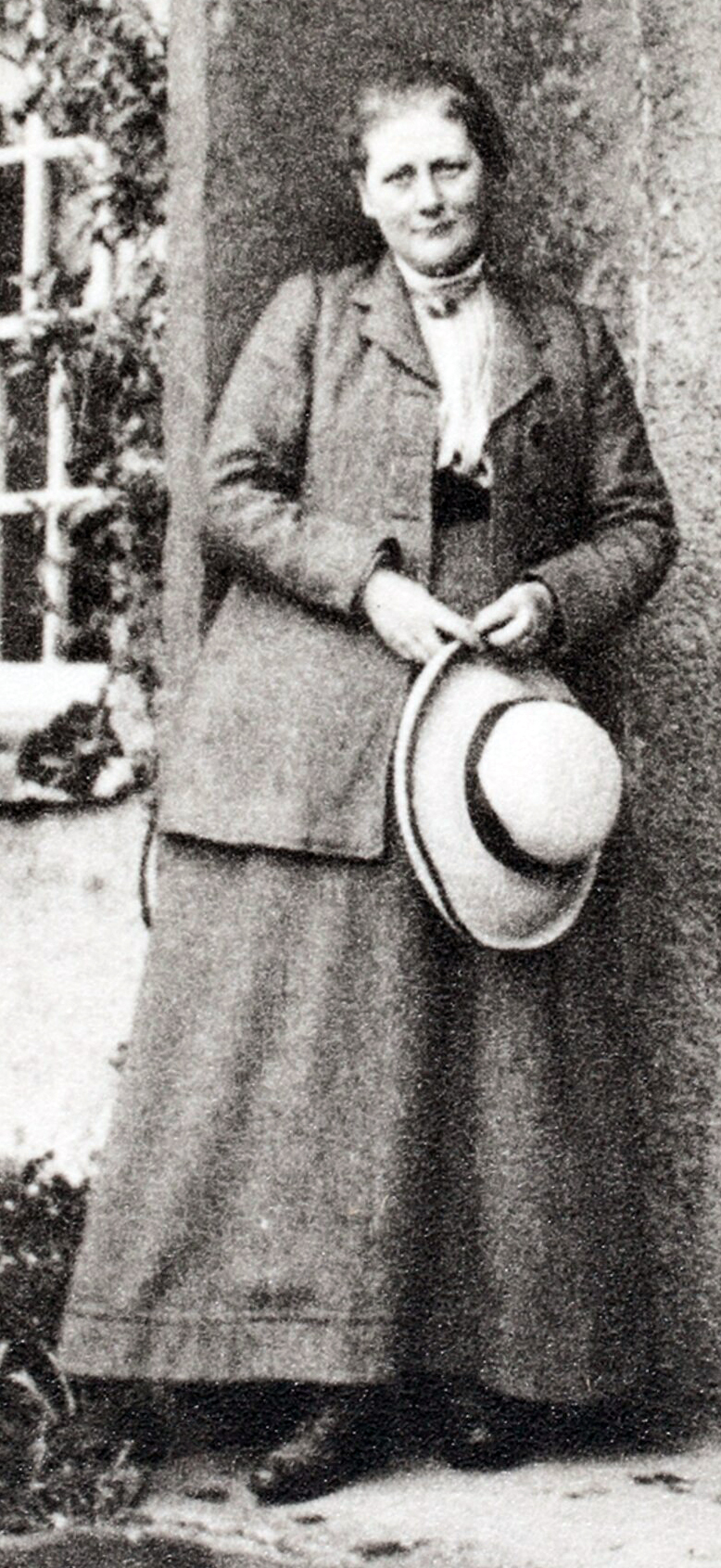
Beatrix and her younger brother Bertram grew up in a large house in London, but they were mostly educated at home by governesses. The children kept all sorts of animals as pets, including rabbits, mice, hedgehogs, and even bats. Beatrix began keeping a detailed journal when she was about 15 years old, and she wrote it entirely in a secret code that she invented herself. The code was so tricky that nobody figured out how to read it until 1958, long after her death. Her journals revealed a sharp, curious mind that noticed everything about the natural world around her.
A Scientist and an Artist
Most people know Beatrix Potter as a storyteller, but she was also a talented scientific illustrator, especially when it came to fungi like mushrooms and toadstools. She spent years carefully painting hundreds of species of fungi with incredible accuracy and detail. Beatrix even wrote a scientific paper about how fungal spores germinate, but the Linnean Society of London refused to consider it seriously because she was a woman. Her scientific drawings were so precise that mycologists, scientists who study fungi, still admire them today. Although she was disappointed by how she was treated, she channeled her talents into a different kind of work.
The Tale of Peter Rabbit
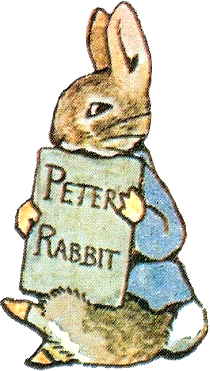
Beatrix first told the story of Peter Rabbit in a letter to the sick child of her former governess in 1893. When she decided to turn it into a book, publisher after publisher turned her down, so she paid to print 250 copies herself in December 1901. The little book was so popular that the publisher Frederick Warne & Co. agreed to publish it officially in 1902, and it became a huge success. The Tale of Peter Rabbit sold tens of thousands of copies and led to many more books featuring characters like Jemima Puddle-Duck, Mrs. Tiggy-Winkle, and Squirrel Nutkin. Beatrix personally oversaw every detail of her books, from the size of the pages to the quality of the illustrations.
Saving the Lake District
With the money she earned from her books, Beatrix began buying farmland in the Lake District, a beautiful region in northwest England. She became a serious farmer, raising Herdwick sheep and learning traditional farming methods from her neighbors. Over the years, she purchased more and more land to protect it from being developed or changed. When she died in 1943, she left over 4,000 acres of land, along with 15 farms, to the National Trust, a charity that preserves important places in Britain. Thanks to her generosity, much of the Lake District’s stunning countryside remains open and unspoiled for visitors to enjoy.
Her Lasting Legacy
Beatrix Potter’s books have been translated into more than 35 languages and have sold over 250 million copies worldwide. Her stories are famous for treating young readers with respect, using real words and showing animals in lifelike settings. The places she lived and farmed in the Lake District are now museums and tourist destinations visited by hundreds of thousands of people each year. Beatrix proved that one person’s passion for nature, art, and storytelling can make a difference that lasts for generations.
 OtterKnow Kids Encyclopedia