The Staff and Clefs
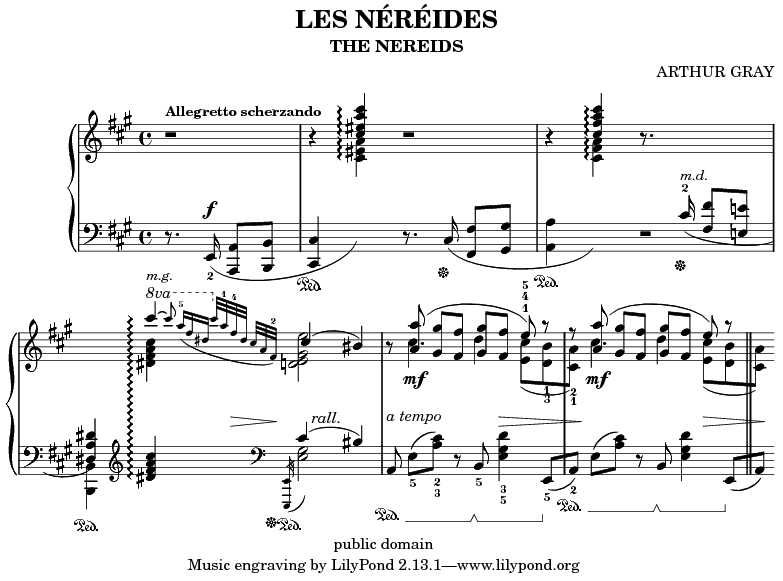
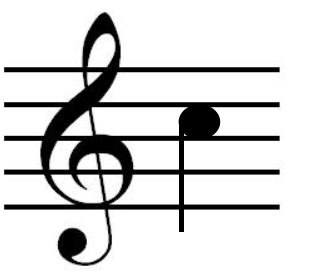
All written music starts with five horizontal lines called the staff. Notes are placed on the lines or in the spaces between them, and their position tells you which pitch to play – higher notes sit higher on the staff, and lower notes sit lower. At the very beginning of the staff, you will see a symbol called a clef that acts like a key, telling you which notes the lines and spaces represent. The treble clef, used for higher-pitched instruments like flutes and violins, curls around the second line to mark it as the note G. The bass clef, used for lower-pitched instruments like cellos and tubas, has two dots that surround the fourth line to mark it as F. A helpful trick for remembering the notes on the treble clef lines is the phrase “Every Good Boy Does Fine,” and the spaces spell out the word FACE.
Note Values and Rests
The shape of a note tells you how long to hold it. A whole note looks like an open oval and lasts for four beats. A half note adds a vertical line called a stem and lasts for two beats. A quarter note has a filled-in oval with a stem and lasts for one beat, while an eighth note adds a flag to the stem and lasts for half a beat. You can connect eighth notes with a horizontal beam instead of individual flags, which makes them easier to read. Rests are symbols that tell you to be silent for a certain number of beats, and there is a matching rest for every type of note. Sharps, flats, and naturals are small symbols placed before a note to raise it, lower it, or return it to its original pitch by a half step.
Time Signatures and Measures
Right after the clef, two numbers stacked on top of each other form the time signature. The top number tells you how many beats fit in each measure, and the bottom number tells you which type of note counts as one beat. The most common time signature is 4/4, which means four quarter-note beats per measure and is sometimes called “common time.” A time signature of 3/4 gives three beats per measure and creates the swaying feel of a waltz. Vertical lines called bar lines divide the staff into measures, which are like sentences in a paragraph – they break the music into manageable chunks so you can keep track of where you are.
Dynamics, Tempo, and Expression
Sheet music includes more than just pitches and rhythms. Letters and symbols written below the staff tell the musician how loud or soft to play. The letter p stands for piano, meaning soft, and f stands for forte, meaning loud. Crescendo marks look like a long opening angle bracket and mean “gradually get louder.” Tempo markings at the top of the page tell you how fast to play, using Italian words like allegro for fast and adagio for slow. All of these details work together to bring the written notes to life, turning black dots on a page into an expressive piece of music.
 OtterKnow Kids Encyclopedia