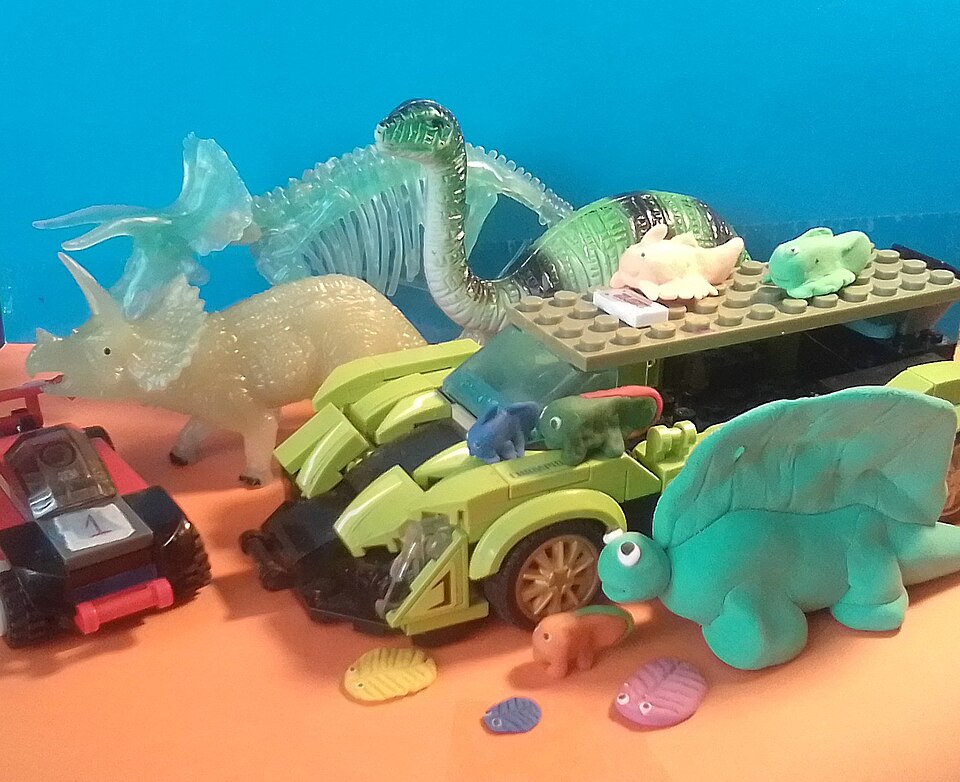
The Pioneers
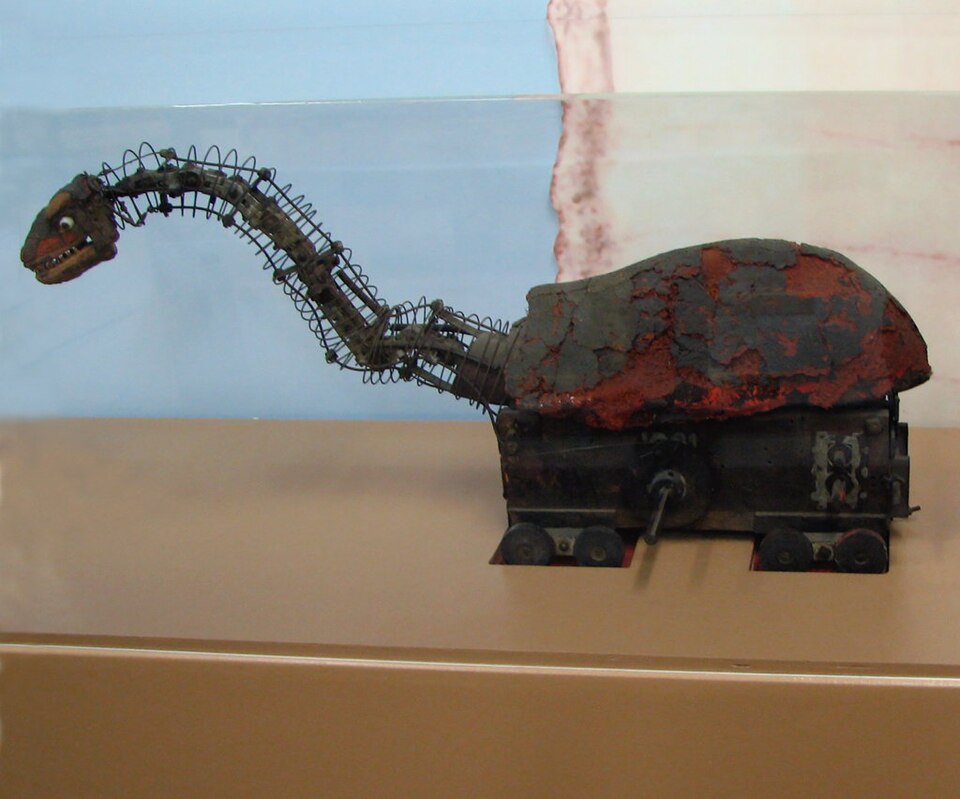
The 1933 film King Kong was one of the earliest and most famous uses of stop-motion animation, bringing a giant ape to life using a small model with a metal skeleton inside called an armature. The legendary animator Ray Harryhausen spent decades creating stop-motion creatures for films like Jason and the Argonauts and Clash of the Titans, inventing a technique called Dynamation that combined live actors with animated models. Willis O’Brien, who animated the original King Kong, mentored Harryhausen and helped establish stop-motion as a respected art form. These pioneers proved that tiny models moved by hand could create movie magic just as thrilling as any live-action scene.
Clay Animation
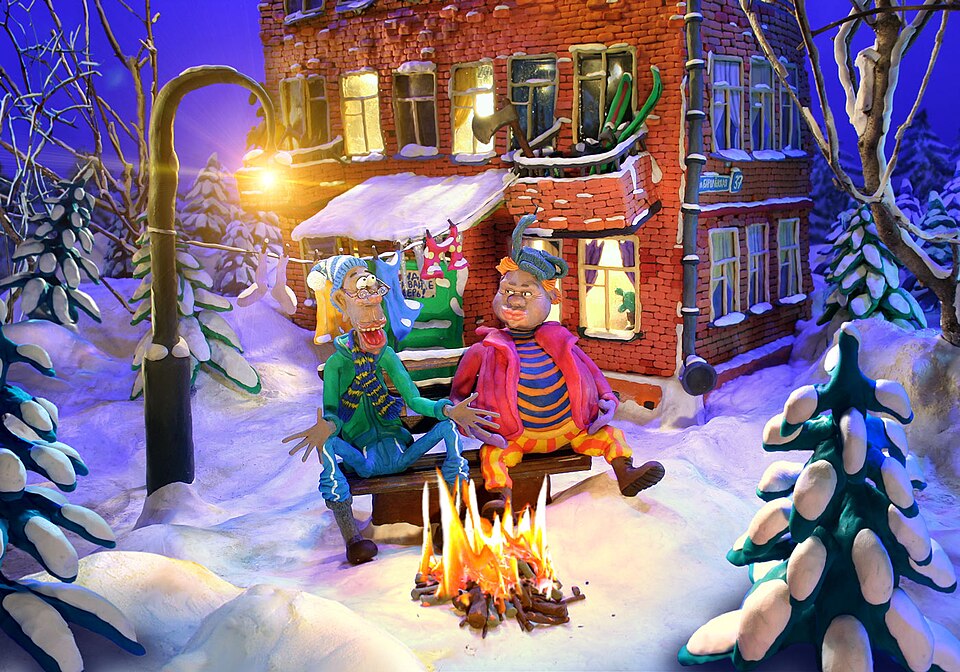
Claymation, or clay animation, uses characters and sets made from modeling clay or a similar flexible material that can be reshaped between frames. The Wallace and Gromit series, created by Nick Park at Aardman Animations in England, is one of the most beloved claymation properties in the world. Each Wallace and Gromit film required thousands of tiny adjustments to the clay figures to produce just minutes of footage. Aardman also created Shaun the Sheep and Chicken Run, proving that clay characters could star in full-length feature films and capture audiences’ hearts.
Modern Stop-Motion Studios
Laika Entertainment, based in Portland, Oregon, has become one of the leading stop-motion studios in the world with films like Coraline, ParaNorman, and Kubo and the Two Strings. Laika uses a combination of traditional stop-motion techniques and modern technology, including 3D-printed faces that allow for incredibly detailed facial expressions. Director Wes Anderson has also brought stop-motion to new audiences with Fantastic Mr. Fox and Isle of Dogs. Tim Burton’s The Nightmare Before Christmas remains one of the most popular stop-motion films ever made, with its distinctive dark and whimsical style.
Try It Yourself
Anyone can try stop-motion animation with simple materials and a smartphone. All you need is a camera, something to animate — toys, clay figures, paper cutouts, or even food — and a lot of patience. Free apps are available that let you take photos frame by frame and play them back as a video. Making your own stop-motion film teaches you about timing, storytelling, and how much work goes into every second of animation you see on screen.
 OtterKnow Kids Encyclopedia