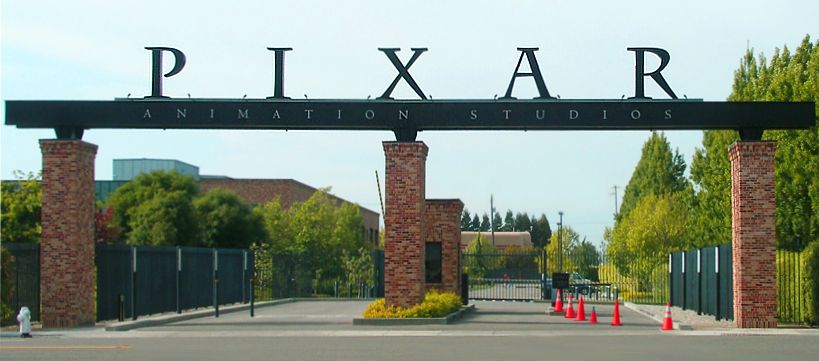
History of Pixar
Pixar began in 1979 as part of the computer division of Lucasfilm, the company founded by Star Wars creator George Lucas. In 1986, Steve Jobs purchased the division for $5 million and turned it into an independent company called Pixar. At first, Pixar was mainly a computer hardware company that sold specialized imaging computers. The team also made short animated films to demonstrate their technology, and one of those shorts, “Tin Toy,” won an Academy Award in 1988.
Pixar’s big breakthrough came in 1995 when it released Toy Story, the world’s first feature-length film made entirely with computer-generated imagery (CGI). The movie earned over $373 million worldwide and changed the animation industry forever. In 2006, The Walt Disney Company purchased Pixar for approximately $7.4 billion, and Pixar has continued to operate as a distinct studio within Disney ever since.
How Pixar Makes Movies
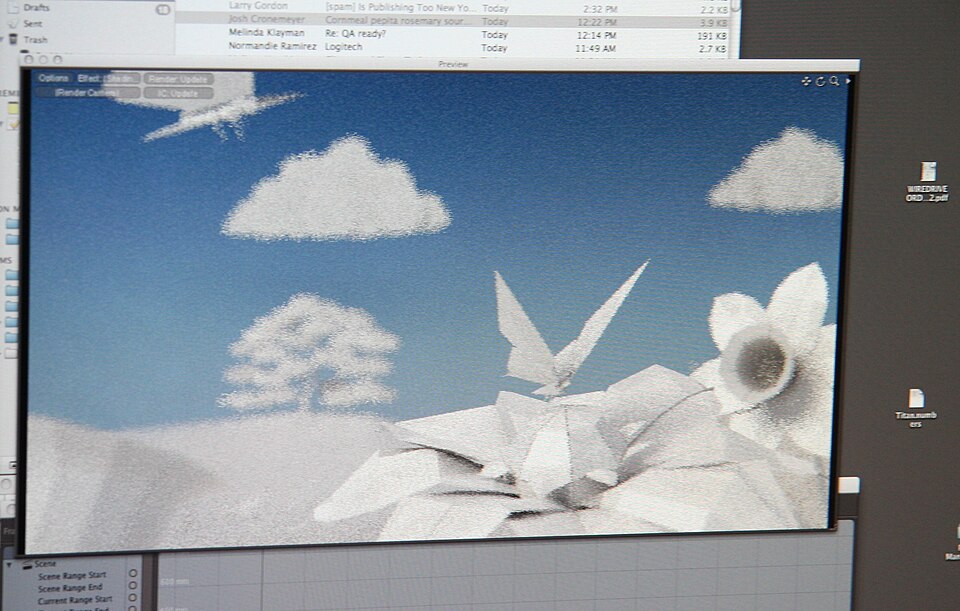
Creating a Pixar film is an enormous undertaking that typically takes four to five years from the initial idea to the finished movie. The process begins with a story concept, which a director pitches to the studio’s leadership. Writers then develop the screenplay while artists create concept art showing what the characters and worlds might look like.
Once the story is approved, the production pipeline kicks in. Modelers build detailed three-dimensional digital versions of every character, prop, and environment. Riggers add a virtual skeleton to each character so it can be posed and animated. Animators bring the characters to life, carefully crafting every movement and facial expression frame by frame. The “shading” team adds colors, textures, and surface details, while the lighting department places virtual lights in each scene, much like a cinematographer would on a live-action set. Finally, powerful computers “render” each frame, a process that can take up to 24 hours per frame for the most complex scenes. A single Pixar film may contain over 100,000 individual frames.
Notable Films
Pixar’s filmography includes some of the highest-grossing and most acclaimed animated films in history. Toy Story (1995) launched the studio and introduced audiences to Woody and Buzz Lightyear. Finding Nemo (2003) became a massive worldwide hit, earning over $940 million. The Incredibles (2004) brought a superhero family to life with style and humor. Up (2009) opened with a wordless montage so moving that it made audiences around the world cry. Inside Out (2015) personified human emotions as colorful characters living inside a girl’s mind and won the Academy Award for Best Animated Feature. Coco (2017) explored Mexican culture and the Day of the Dead in a vibrant, heartfelt story.
As of 2024, Pixar films have collectively earned over $15 billion at the worldwide box office, and the studio has won multiple Academy Awards for Best Animated Feature.
The Pixar Culture
Pixar is famous not only for its films but also for its creative workplace culture. The company’s campus in Emeryville was designed to encourage chance encounters and collaboration. Co-founder Ed Catmull and chief creative officer John Lasseter established a system called “Braintrust” meetings, where directors show works in progress and receive candid feedback from fellow filmmakers. The goal is to identify problems with a film early, when they are easier to fix.
Pixar also values originality. While the studio has produced several sequels, it continues to develop original stories alongside them. The company encourages employees to take classes in drawing, sculpting, and filmmaking through Pixar University, an in-house educational program open to all staff members.
Technology and Innovation
Pixar has been a pioneer in computer graphics technology since its earliest days. The studio developed its own rendering software called RenderMan, which has been used not only in Pixar films but also in visual effects for live-action movies across the industry. RenderMan has received multiple Academy Awards for Technical Achievement.
Over the years, Pixar’s engineers have invented new techniques to simulate realistic hair, cloth, water, and lighting. For Brave (2012), the team created a new system to animate the main character Merida’s wild curly hair, which contained over 100,000 individually modeled strands. For Finding Nemo, artists developed new methods for rendering underwater light and translucent sea creatures. Each new film pushes the technology forward, and breakthroughs made for one movie often become standard tools for the next.
Fun Facts
- Pixar places hidden references, called “Easter eggs,” in every movie. The Pizza Planet truck from Toy Story appears in nearly every Pixar film.
- Before each Pixar feature, the studio shows a short film. This tradition began with Toy Story and continues today.
- The Pixar mascot is a hopping desk lamp named Luxo Jr., which appeared in the studio’s 1986 short film of the same name.
- Pixar’s render farm, the collection of computers used to generate the final images, contains thousands of machines working around the clock.
- The character of Woody in Toy Story was originally going to be a ventriloquist’s dummy, but the team changed him to a cowboy pull-string toy because dummies were considered too creepy.
 OtterKnow Kids Encyclopedia