Types of Wood
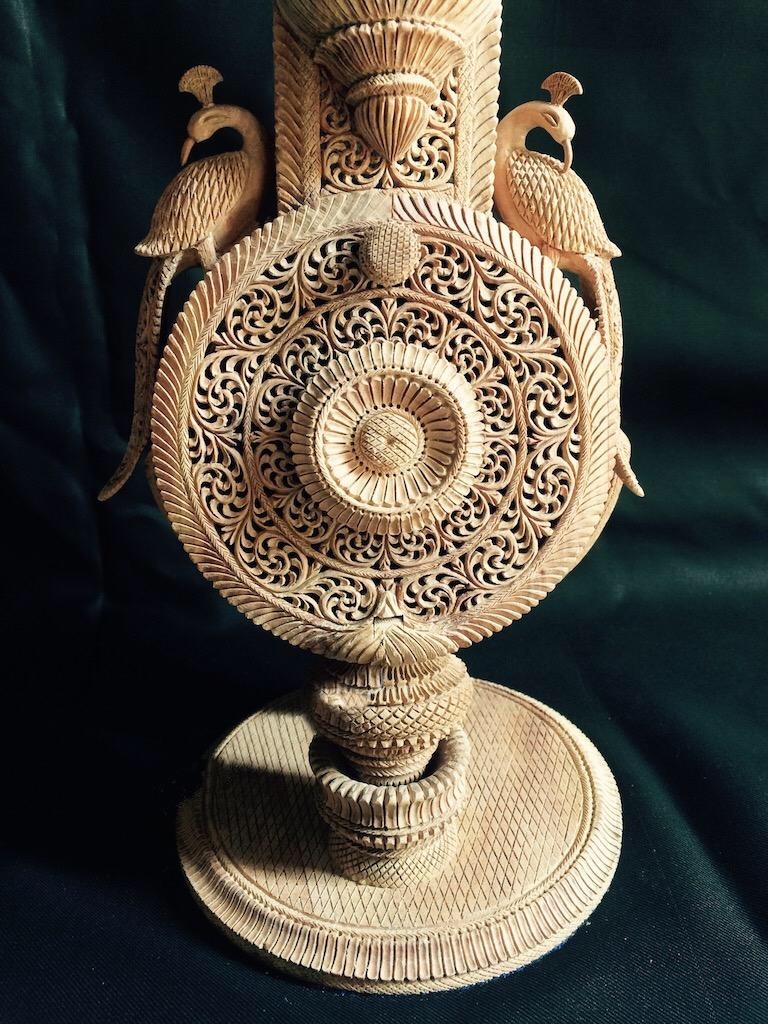
Different species of trees produce wood with very different qualities, and choosing the right wood for a project is an important part of the craft. Softwoods like pine and cedar come from evergreen trees, are easy to cut, and are commonly used for construction and simple projects. Hardwoods like oak, walnut, cherry, and maple come from deciduous trees and are stronger, more durable, and often more beautiful, with rich colors and interesting grain patterns. Every piece of wood has a grain — the natural pattern of lines created by the tree’s growth rings — and skilled woodworkers learn to work with the grain rather than against it. Some exotic woods, like ebony and rosewood, are prized for their unusual colors and fine textures but must be sourced responsibly to protect endangered forests.
Carving Traditions
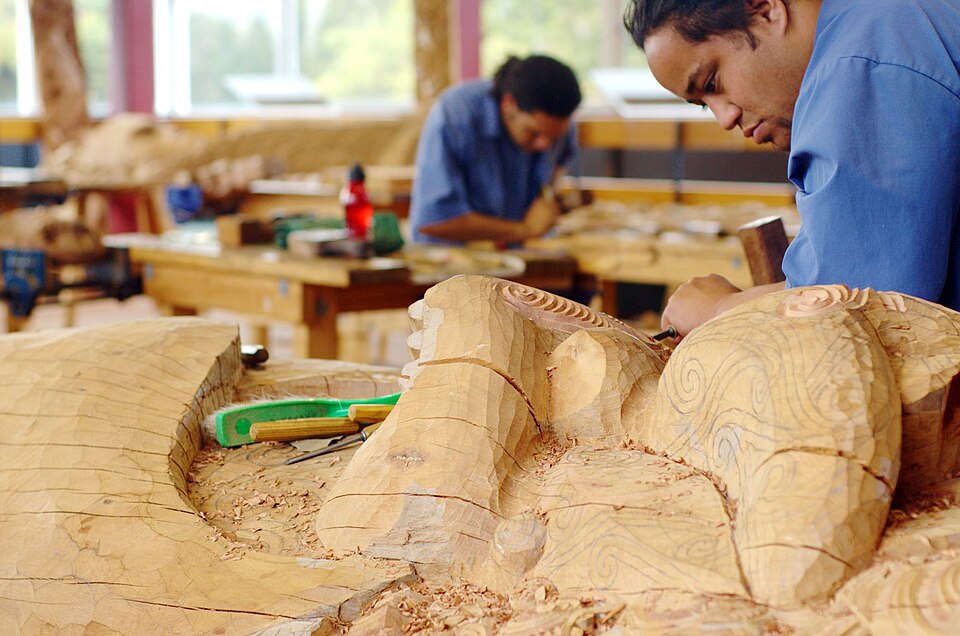
Wood carving is found in cultures all around the world, and many traditions have been passed down for hundreds or even thousands of years. The Haida and other Indigenous peoples of the Pacific Northwest coast are famous for their totem poles, which are tall cedar logs carved and painted with figures that tell family stories, honor ancestors, and record important events. African wood carving traditions produce masks, figures, and ceremonial objects with powerful symbolic meanings that vary from culture to culture. European churches are filled with elaborate wood carvings of religious scenes, decorative screens, and ornate choir stalls made by skilled craftspeople during the Middle Ages. Whittling, which uses just a small knife to carve wood, is one of the simplest forms of carving and remains a popular hobby today.
Joinery and Furniture Making
Joinery is the art of connecting pieces of wood together to build structures and furniture, and some techniques are remarkably clever. Japanese joinery is especially admired because traditional Japanese woodworkers created complex interlocking joints that hold firmly without any nails, screws, or glue. These joints fit together like puzzle pieces and can actually get stronger over time as the wood settles. Western furniture-making traditions include techniques like dovetail joints, mortise and tenon joints, and tongue-and-groove connections. A well-made piece of wooden furniture can last for centuries and even become more beautiful with age as the wood develops a warm glow called a patina.
Woodworking as Art
While much woodworking is focused on making useful objects, many woodworkers create pieces that are purely artistic. Turned wood art uses a lathe — a machine that spins wood rapidly — to shape bowls, vases, and sculptural forms with smooth, symmetrical curves. Some artists carve realistic animals, human figures, or abstract shapes from single blocks of wood, working for months on a single piece. Chainsaw carving has become a popular art form where artists use chainsaws to quickly rough out large sculptures from tree trunks. Ship figureheads, the carved wooden figures that decorated the bows of sailing ships, were once an important form of wood sculpture that combined artistry with seafaring tradition.
Learning Woodworking
Many schools, community centers, and makerspaces offer woodworking classes where young people can learn basic skills in a safe environment. Beginners often start with simple projects like birdhouses, small boxes, or cutting boards before moving on to more complex work. Learning to measure accurately, cut safely, and join pieces securely are foundational skills that apply to any woodworking project. Hand tools like saws, chisels, planes, and sandpaper give beginners a direct feel for the wood, while power tools can be introduced as skills and safety awareness grow. The satisfaction of creating something useful and beautiful from a raw piece of wood is one of the greatest rewards of learning this ancient craft.
 OtterKnow Kids Encyclopedia