Ancient Origins
People have been using resist dyeing techniques for thousands of years. Some of the oldest known examples come from Peru, where pre-Columbian cultures were creating tied and dyed textiles as early as 500 AD. In Asia, similar techniques developed independently. In India, a tradition called bandhani has been practiced since at least 4000 BC, making it one of the oldest known forms of tie-dye. Artisans would pinch tiny points of fabric and bind them with thread to create intricate patterns of dots and circles. In China and Japan, resist dyeing techniques were well established by the 8th century. These ancient methods used natural dyes made from plants, minerals, and even insects to produce rich colors.
Shibori: The Japanese Art of Shaped Resist Dyeing
Shibori is a Japanese resist dyeing technique with a history stretching back more than 1,000 years. Unlike simple tie-dye, shibori includes many different methods of manipulating fabric — stitching, folding, twisting, and compressing — each producing distinctive patterns. One method called arashi shibori involves wrapping fabric around a pole and scrunching it down to create diagonal patterns that look like rain, which is what “arashi” means in Japanese. Another method called itajime shibori uses wooden blocks to clamp folded fabric, producing sharp geometric shapes. Shibori is traditionally done with indigo dye, giving the finished cloth its characteristic deep blue and white appearance. Today, shibori remains a respected art form in Japan and has influenced textile artists around the world.
The 1960s Counterculture
Tie-dye exploded in popularity in the United States during the 1960s, when it became a symbol of the counterculture movement. Young people who opposed war and championed peace, freedom, and self-expression adopted tie-dye as a form of wearable art. The vibrant, unpredictable patterns stood for individuality and a rejection of conformity. Musicians like those in the Grateful Dead made tie-dye shirts iconic at music festivals and concerts. By the end of the decade, tie-dye had become one of the most recognizable symbols of the era. The trend faded somewhat in the following decades but has come back repeatedly, including a major revival during the early 2020s when people stuck at home during the pandemic picked up tie-dye as a creative hobby.
The Chemistry of Dyes
The science behind tie-dye involves a chemical reaction between the dye molecules and the fabric fibers. Most tie-dye kits use fiber-reactive dyes, which form a permanent chemical bond with cellulose fibers found in cotton, rayon, and other plant-based fabrics. When the dye is applied, it reacts with the hydroxyl groups in the cellulose molecules, creating a covalent bond that locks the color into the fiber permanently. This is why tie-dyed cotton shirts can be washed many times without fading much. A chemical called soda ash (sodium carbonate) is often used to raise the pH of the fabric, which makes this reaction happen more efficiently. Synthetic fabrics like polyester do not have cellulose fibers, so they do not absorb fiber-reactive dyes well, which is why cotton works best for tie-dye.
Techniques and Patterns
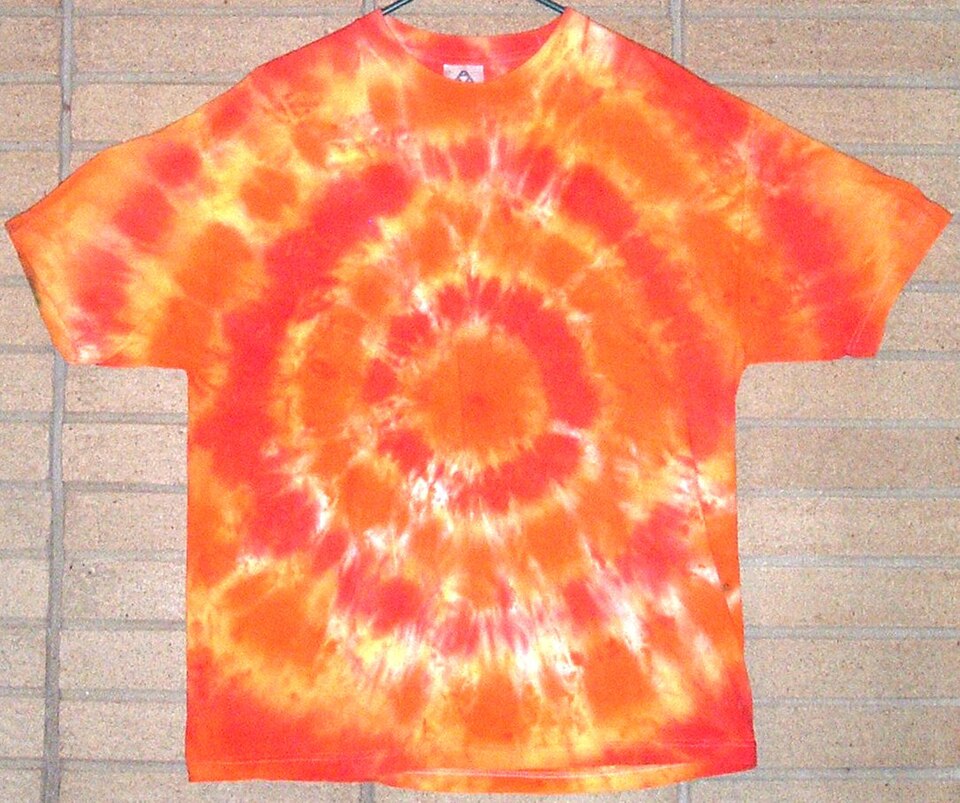
Different folding and binding methods produce different patterns. The spiral is probably the most iconic: you pinch the center of the fabric and twist it into a flat disc, then apply different colors to each wedge-shaped section. Accordion-folding the fabric produces parallel stripes. The crumple technique, where you randomly scrunch the fabric into a ball, creates an unpredictable pattern often called a “nebula” effect. More advanced techniques include ice dyeing, where powdered dye is sprinkled over ice placed on the fabric so that the melting ice slowly carries the dye into the cloth, producing watercolor-like effects. Reverse tie-dye uses bleach instead of dye to remove color from dark fabric, creating light patterns on a dark background.
Tie-Dye Around the World
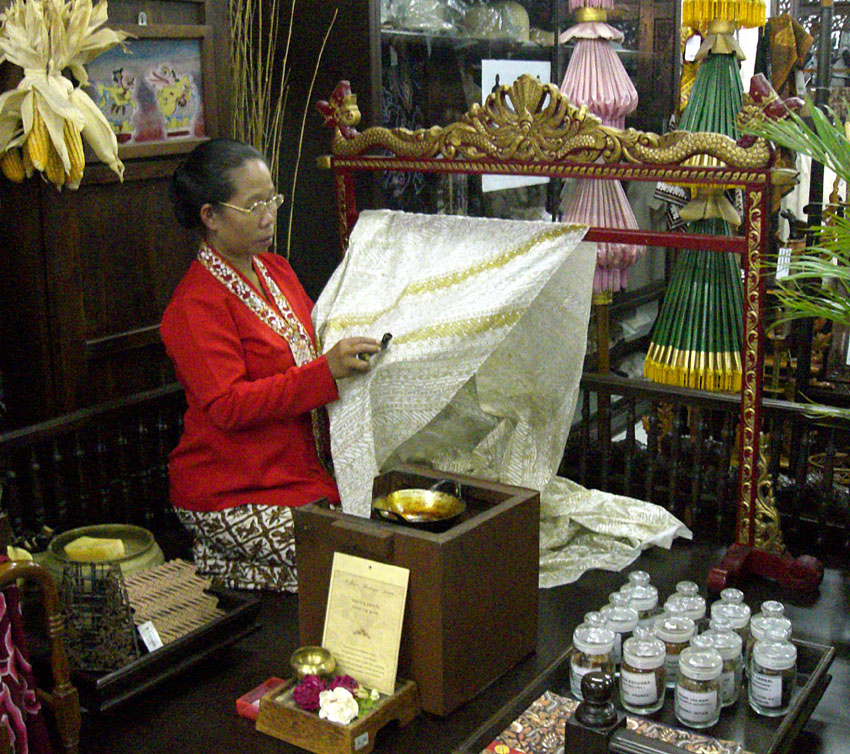
Resist dyeing traditions exist in cultures across the globe. In West Africa, a technique called adire uses cassava paste or tied raffia to resist indigo dye on cotton cloth, creating striking blue and white patterns that are important in Yoruba culture. In Indonesia, batik is a related resist dyeing art where hot wax is applied to fabric to block dye. Indonesian batik is so culturally significant that UNESCO recognized it as an Intangible Cultural Heritage of Humanity in 2009. In South America, indigenous communities in Bolivia and Guatemala continue ancient resist dyeing traditions using natural dyes from local plants. Each culture has developed its own distinctive methods and meanings, but they all share the same fundamental idea of using barriers to create patterns with dye.
Making Your Own Tie-Dye
Getting started with tie-dye requires just a few basic supplies: a white cotton garment, fiber-reactive dye, rubber bands, plastic squeeze bottles, and gloves. Before dyeing, soak the fabric in a soda ash solution for about 20 minutes to prepare the fibers. Then fold or twist the damp fabric into your desired pattern and secure it with rubber bands. Apply dye using squeeze bottles, making sure the dye saturates the fabric thoroughly. Wrap the dyed fabric in plastic wrap or place it in a sealed bag and let it sit for 6 to 24 hours at room temperature so the chemical reaction can complete. Finally, rinse under cold water, gradually warming to hot, until the water runs clear. The first wash should be done separately since excess dye will bleed. With practice, you can create everything from simple spirals to complex mandalas.
 OtterKnow Kids Encyclopedia