Weaving
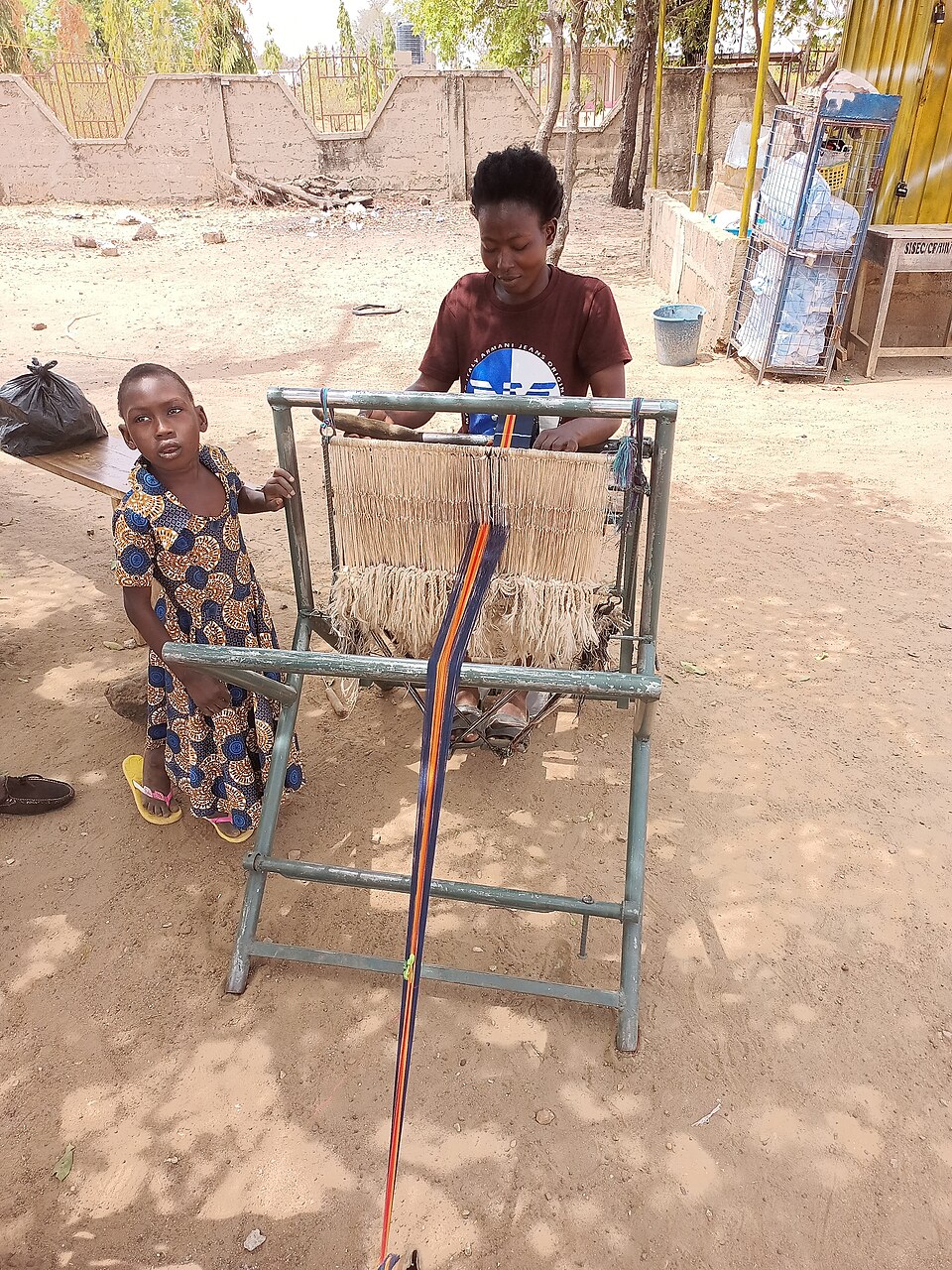
Weaving is the process of interlacing two sets of threads — the warp (vertical threads held tight on a frame called a loom) and the weft (horizontal threads passed over and under the warp) — to create fabric. This technique is thousands of years old and is the basis for most of the cloth we use every day, from cotton shirts to wool blankets. Ancient Egyptians wove fine linen for clothing and wrapping mummies, while Navajo weavers in the American Southwest have been making detailed rugs and blankets for centuries. The Bayeux Tapestry, actually an embroidered cloth made in the 1070s, stretches nearly 230 feet long and tells the story of the Norman conquest of England. Modern artists continue to push the boundaries of weaving, creating everything from traditional textiles to large-scale sculptural installations.
Knitting and Crochet
Knitting uses two needles to loop yarn into interlocking rows, creating stretchy fabric that can be shaped into clothing, blankets, toys, and more. Crochet is similar but uses a single hook instead of needles, which makes it easier to create complex shapes and three-dimensional objects. Both crafts have been practiced for centuries and have experienced a huge revival in recent years, with young people around the world picking up needles and hooks. Knitting and crochet are sometimes called “the new yoga” because many people find the repetitive motions calming and meditative. These crafts also have a rich history of social activism, from women knitting socks for soldiers during wartime to modern “yarn bombing” that decorates public spaces with colorful knitted coverings.
Embroidery and Needlework
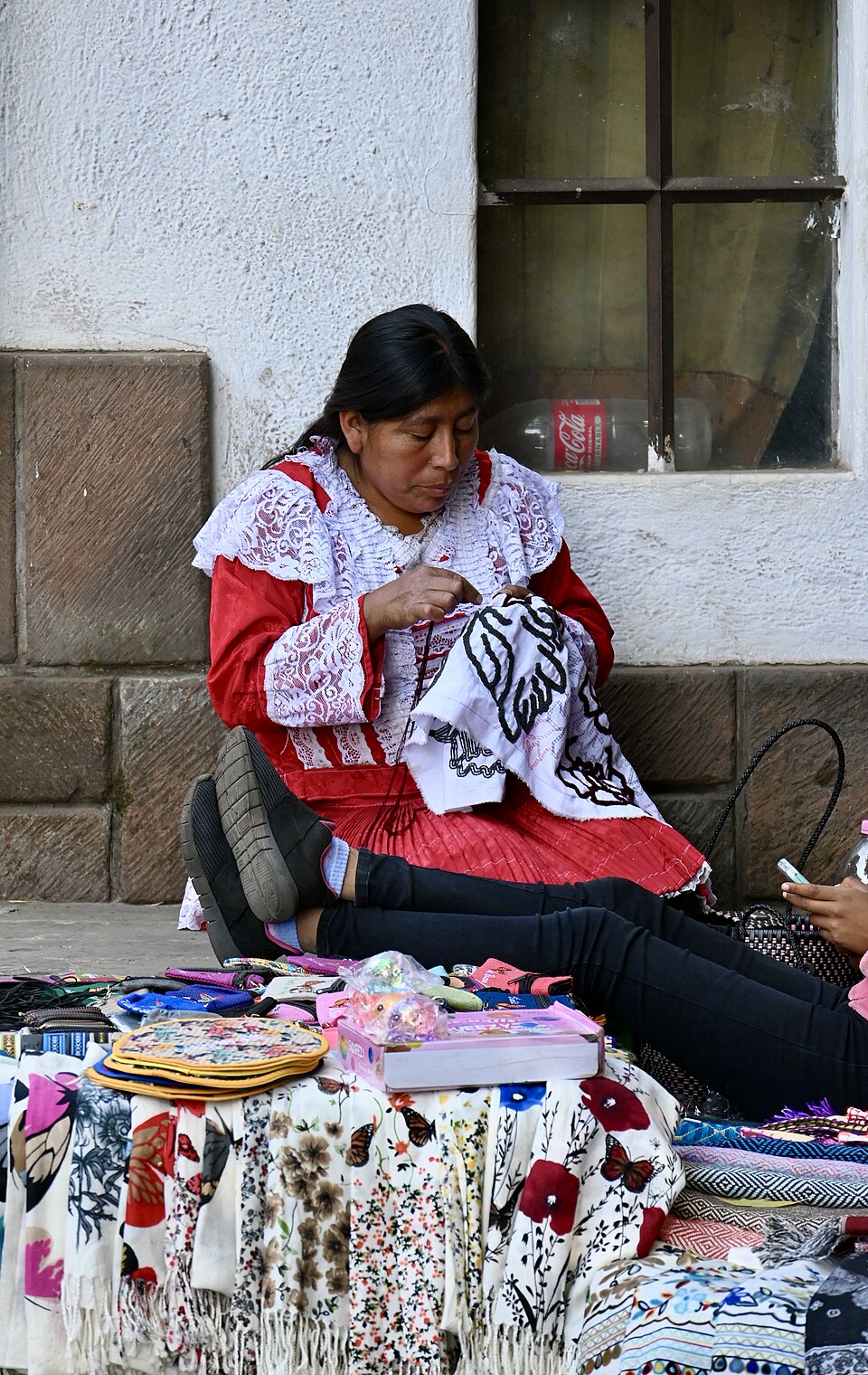
Embroidery is the art of decorating fabric by stitching designs onto it with needle and thread. This ancient craft has been practiced in nearly every culture, from Chinese silk embroidery to Mexican cross-stitch to the elaborate goldwork of medieval European church garments. There are hundreds of different embroidery stitches, each creating a different texture and effect, and skilled embroiderers can create images that look almost like paintings. Needlepoint and cross-stitch are forms of counted-thread embroidery where stitches are placed on a grid pattern, making it easier for beginners to create precise designs. Today, embroidery has become popular among contemporary artists who use it to create modern artwork, challenge traditional ideas about craft versus fine art, and make political and social statements.
Quilting
Quilting involves sewing together layers of fabric to create a thick, padded textile, and it has a long and meaningful history, especially in the United States. Amish quilts are famous for their bold geometric patterns and striking use of solid colors, with designs passed down through generations of communities in Pennsylvania and other states. During the era of slavery, some historians believe that certain quilt patterns may have been used as coded messages along the Underground Railroad, though this theory is debated among scholars. African American quilting traditions, including the famous quilts of Gee’s Bend, Alabama, are celebrated for their improvisational designs and vibrant colors. Quilting bees, where groups of people gather to work on quilts together, have been important social events in American communities for centuries.
Textile Arts Today
Modern textile artists are blending traditional techniques with new ideas and materials in exciting ways. Some artists create enormous fabric installations that fill entire gallery spaces, while others use traditional techniques like weaving and embroidery to address contemporary issues like climate change and social justice. Fashion design is another form of textile art, where designers create wearable works of art that push the boundaries of what clothing can look like. Peruvian quipu, an ancient system of knotted strings used for record-keeping, has inspired contemporary artists to explore how textiles can store and communicate information. Whether you are learning to knit a scarf or designing a quilt, textile arts connect you to one of humanity’s oldest and most universal creative traditions.
 OtterKnow Kids Encyclopedia