Upcycling vs. Recycling
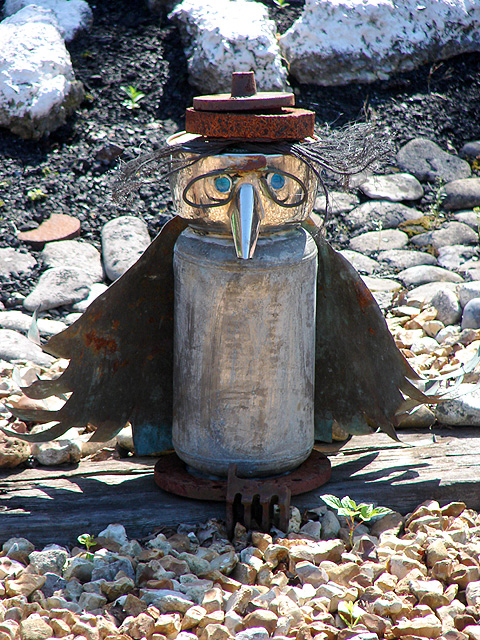
While recycling breaks materials down to make something new (like melting old plastic bottles to make new ones), upcycling transforms objects into something of greater value without breaking them down first. A recycled art project might turn an old bicycle wheel into a wall clock or transform tin cans into a robot sculpture. Upcycling is at the heart of recycled art because the artist sees potential in objects that most people would throw away. The trash-to-treasure philosophy challenges us to look at everyday objects with fresh eyes and imagine what they could become. This way of thinking is good for the environment because it keeps materials out of landfills and reduces the need to manufacture new products.
Famous Recycled Artists
Some artists have built their entire careers around creating art from waste materials. Nek Chand, a road inspector in India, secretly built an enormous sculpture garden using materials he collected from demolition sites, including broken ceramics, glass bangles, and electrical waste. His Rock Garden in Chandigarh grew to cover over 40 acres and contains thousands of sculptures made from recycled materials. El Anatsui, a Ghanaian artist, creates enormous shimmering tapestries by linking together thousands of flattened bottle caps and aluminum seals with copper wire. His works are displayed in major museums around the world and can cover entire walls with their cascading, cloth-like beauty. These artists show that recycled materials can produce art that rivals anything made from traditional supplies.
Environmental Art
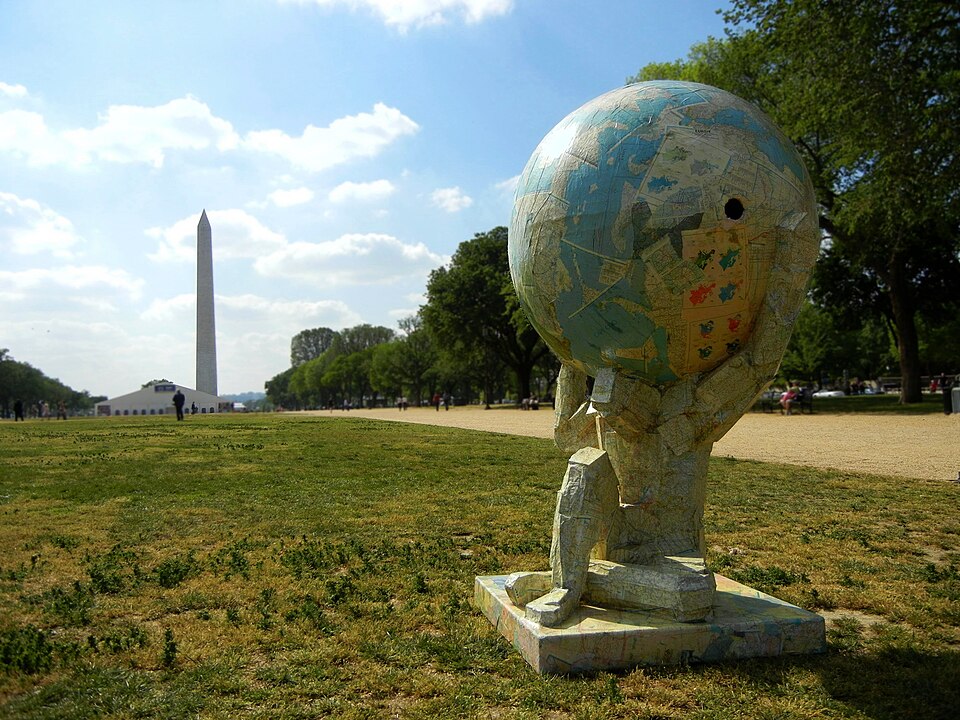
Many recycled artists create their work specifically to raise awareness about pollution, waste, and environmental problems. Some artists build sculptures from ocean plastic collected on beaches to show how much garbage ends up in our seas. Others create portraits or landscapes entirely from electronic waste like old circuit boards and computer parts to highlight the growing problem of e-waste. These artworks grab people’s attention precisely because they are made from the very materials that are harming the environment. When viewers realize that a beautiful sculpture is actually made of trash, it can change how they think about what they throw away every day.
Practical and Artistic
Recycled art exists on a spectrum from purely decorative to completely functional. Some artists create sculptures and wall hangings meant to be admired in galleries, while others make useful objects like furniture, jewelry, and musical instruments from recycled materials. In many developing countries, people have long traditions of making useful items from whatever materials are available, and this resourcefulness is now being recognized as a form of art. Schools around the world use recycled art projects to teach students about both creativity and environmental responsibility. Building something useful or beautiful from materials that cost nothing is satisfying in a way that buying new supplies simply cannot match.
Getting Started with Recycled Art
You can begin making recycled art with materials you probably already have at home. Cardboard boxes, plastic bottles, old magazines, jar lids, fabric scraps, and broken jewelry are all excellent starting materials. Before throwing anything away, take a moment to consider whether it could become part of an art project — its color, shape, or texture might be exactly what you need. Start with simple projects like making a collage from magazine clippings or building a small sculpture from cardboard tubes. As you practice seeing potential in everyday objects, you will develop a creative mindset that not only makes great art but also helps you live in a more environmentally friendly way.
 OtterKnow Kids Encyclopedia