Ancient Mosaics
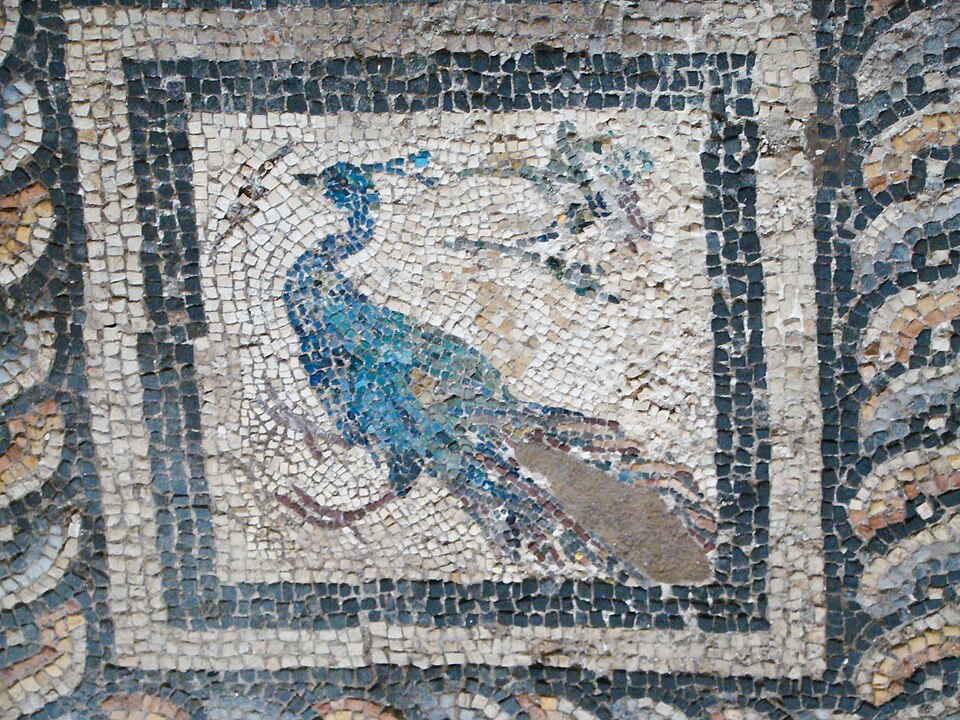
Some of the oldest mosaics date back more than 4,000 years to ancient Mesopotamia, where people decorated buildings with patterns made from colored cones of clay. The ancient Greeks created detailed floor mosaics using naturally colored pebbles, often showing scenes from mythology. Roman artists took mosaic-making to new heights, covering the floors of homes, public baths, and temples with detailed images of animals, gods, and daily life. Many Roman mosaics have survived in remarkably good condition because the stone and glass pieces are extremely durable. The famous mosaics of Pompeii, buried under volcanic ash in 79 AD, were discovered looking almost as fresh as the day they were made.
Byzantine and Islamic Mosaics
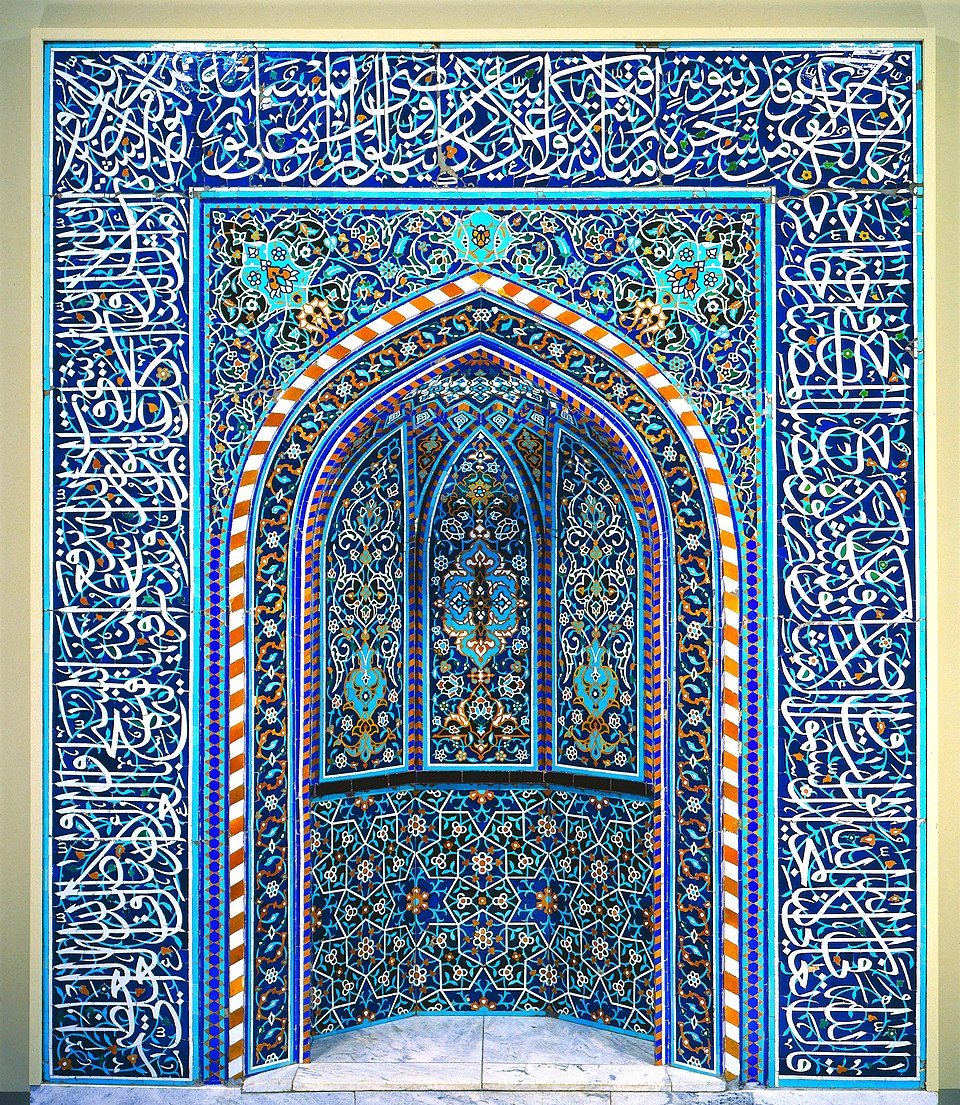
During the Byzantine Empire, mosaic art reached new heights with the use of gold-backed glass tesserae that made walls and ceilings shimmer with light. The Hagia Sophia in Istanbul, built in the 6th century, contains mosaics that cover enormous surfaces with religious images set against glittering golden backgrounds. Islamic artists developed their own tradition of tile art, creating complex geometric patterns and intricate designs because their religious traditions favored abstract patterns over images of people and animals. These geometric mosaics are mathematical marvels, with repeating patterns that tile together perfectly to cover any surface without gaps. Islamic tile art decorates mosques in Iran, palaces in Spain, and many other buildings across the Middle East and North Africa.
Gaudí and Modern Mosaics
The Spanish architect Antoni Gaudí brought mosaic art into the modern era with his unique technique called trencadís, which uses broken pieces of ceramic tiles, glass, and pottery. His most famous mosaic work covers the buildings and benches of Park Güell in Barcelona, Spain, where colorful broken tiles create flowing, organic shapes that seem almost alive. Gaudí’s approach was revolutionary because instead of carefully cutting uniform pieces, he embraced the irregular shapes of broken tiles and turned them into something beautiful. Modern artists and communities around the world have been inspired by this technique, creating public mosaics from recycled materials. Today, community mosaic projects bring people together to create shared works of art in parks, schools, and neighborhoods.
Tile Traditions Around the World
Many cultures have developed their own distinctive styles of decorative tile work. Mexican Talavera tiles, with their bright colors and bold patterns, have been made by hand in the city of Puebla since the 16th century, blending Spanish and indigenous design traditions. Portuguese azulejo tiles, typically blue and white, cover the walls of buildings throughout Portugal and tell stories from history and daily life. Moroccan zellige tiles are cut into tiny geometric shapes by hand and fitted together to create dazzling star and flower patterns. Each of these tile traditions reflects the history, climate, and artistic values of its culture, and many are still practiced using techniques that have been passed down for generations.
Making Mosaics Today
You do not need expensive materials to try making mosaics yourself. Broken tiles, sea glass, buttons, beads, and even cut pieces of colored paper can all serve as tesserae for a mosaic project. The basic process involves choosing a design, arranging your pieces on a surface, and then gluing them down and filling the gaps between pieces with grout or another filler. Schools and community centers often host mosaic workshops because the art form is accessible to people of all ages and skill levels. Whether you create a small trivet for the kitchen table or contribute to a large community mural, making a mosaic connects you to one of humanity’s oldest and most enduring art traditions.
 OtterKnow Kids Encyclopedia