History of Finger Painting
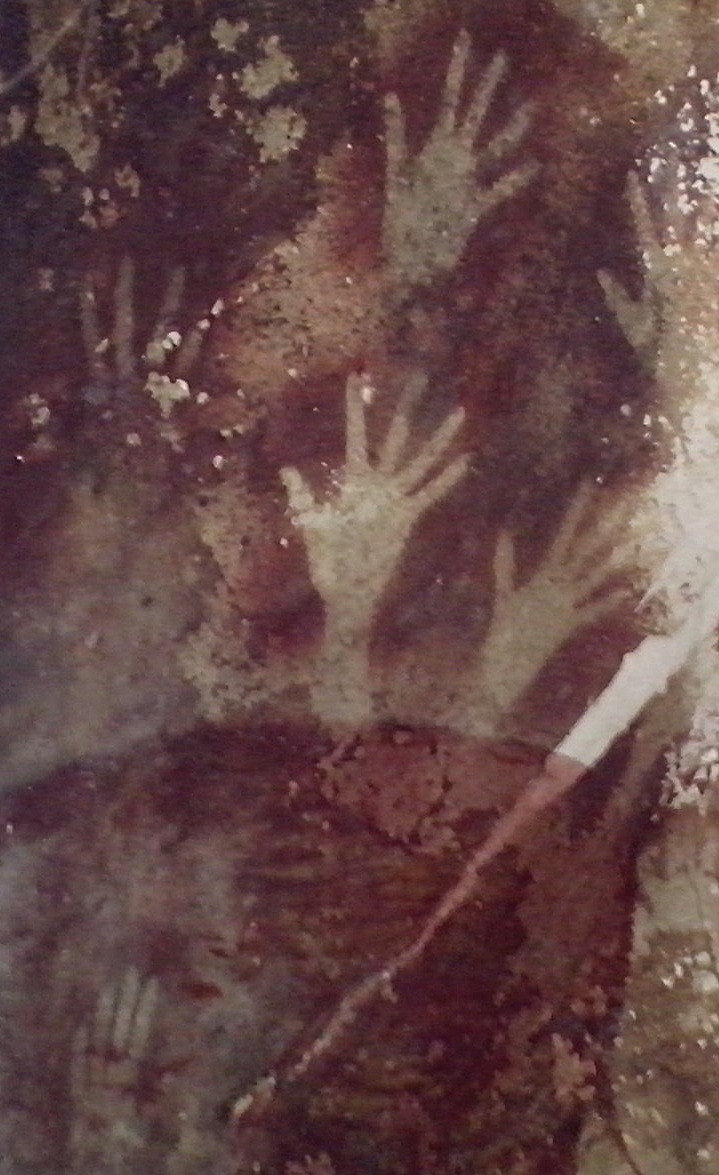
People have been making art with their hands for tens of thousands of years. Some of the oldest known artworks are hand stencils found in caves in Spain and Indonesia, dating back more than 30,000 years. Ancient people pressed their painted hands against cave walls or blew pigment around their hands to leave outlines.
Modern finger painting as an art form for children was popularized by Ruth Faison Shaw, an American teacher working in Rome, Italy, in the 1920s. She noticed that a student who had smeared iodine on a table was happily drawing in it with his fingers. This observation inspired her to develop finger painting as a teaching method. Shaw patented a special finger paint formula in 1931 and introduced the technique to American schools, where it quickly became a beloved classroom activity. She believed that painting with the hands helped children express their feelings and develop creativity in ways that brushes could not.
Techniques and Methods
Finger painting offers a wide variety of techniques beyond simply spreading paint with your fingertips. Using the side of your hand creates broad, sweeping strokes, while a single fingertip can produce fine lines and small dots. Pressing a closed fist into paint and then onto paper makes bold circular marks, and dragging your knuckles across the surface creates interesting textures.
Layering is an important technique in finger painting. You can apply one color, let it dry slightly, and then add another color on top. Where the colors overlap, they blend and create new shades. Scratching through wet paint with a fingernail, called sgraffito, reveals the paper or a layer of color underneath and adds fine detail. Some artists also press textured objects like fabric, leaves, or combs into wet finger paint to create patterns.
Benefits for Child Development
Finger painting is more than just a fun activity. Researchers have found that it supports several important areas of child development. The physical act of spreading, squishing, and manipulating paint strengthens the small muscles in the hands and fingers, known as fine motor skills. These are the same muscles children need for writing, tying shoes, and using scissors.
Finger painting also encourages sensory exploration. The feeling of cool, smooth paint on skin engages the sense of touch in ways that help the brain build new connections. Art therapists sometimes use finger painting to help children who are anxious or stressed because the rhythmic, tactile nature of the activity can be calming. Creative expression through finger painting allows children to communicate ideas and emotions even before they have the vocabulary to describe them in words.
Famous Finger Painters
While finger painting is common in classrooms, several professional artists have used finger painting techniques to create celebrated works. The Chinese artist Zhang Daqian, who lived from 1899 to 1983, was known for his splashed-ink landscape paintings and often used his fingers alongside brushes to create his vivid, expressive works. He became one of the most well-known painters of the twentieth century.
Iris Scott is a contemporary American artist who paints entirely with her fingers while wearing latex gloves. Her large, vibrant paintings of animals, flowers, and city scenes have been exhibited in galleries around the world. Scott developed her finger painting style after accidentally touching a wet canvas and discovering that she preferred the control and texture her fingers provided over brushes.
Getting Started
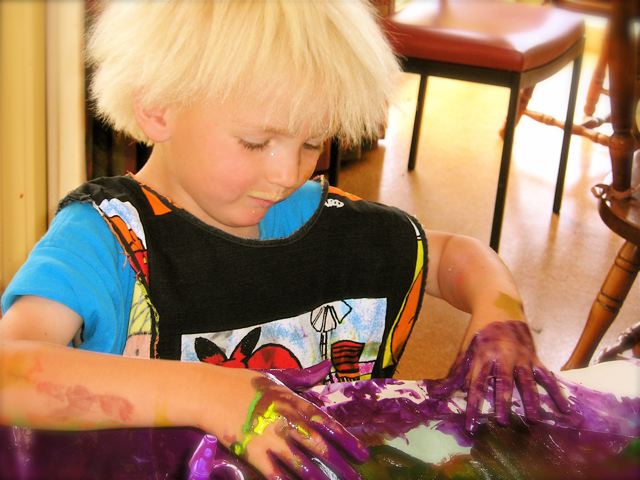
To try finger painting, you need finger paint (which is thicker and smoother than regular paint), heavy paper or cardboard that will not tear when wet, and a covered workspace. Wear old clothes or a smock, and keep paper towels and a bowl of water nearby for cleaning your hands between colors.
Start by squeezing small amounts of two or three colors onto your paper. Use your fingers to spread the paint and experiment with different marks. Try blending colors together to discover new shades. There is no right or wrong way to finger paint, so focus on enjoying the process and seeing what happens when you mix, swirl, and layer the paint.
Fun Facts
- The oldest known hand stencils, found in a cave on the island of Sulawesi in Indonesia, are at least 39,900 years old, making them some of the earliest examples of human art.
- Ruth Faison Shaw received United States Patent Number 1,837,796 for her finger paint formula in 1931.
- Finger painting is used by occupational therapists to help people recovering from hand injuries rebuild strength and coordination.
- Some modern artists create finger paintings that sell for thousands of dollars at galleries and auctions.
- Scientists have found that activities like finger painting activate both the left and right sides of the brain at the same time, supporting creativity and logical thinking together.
 OtterKnow Kids Encyclopedia