Types of Museums
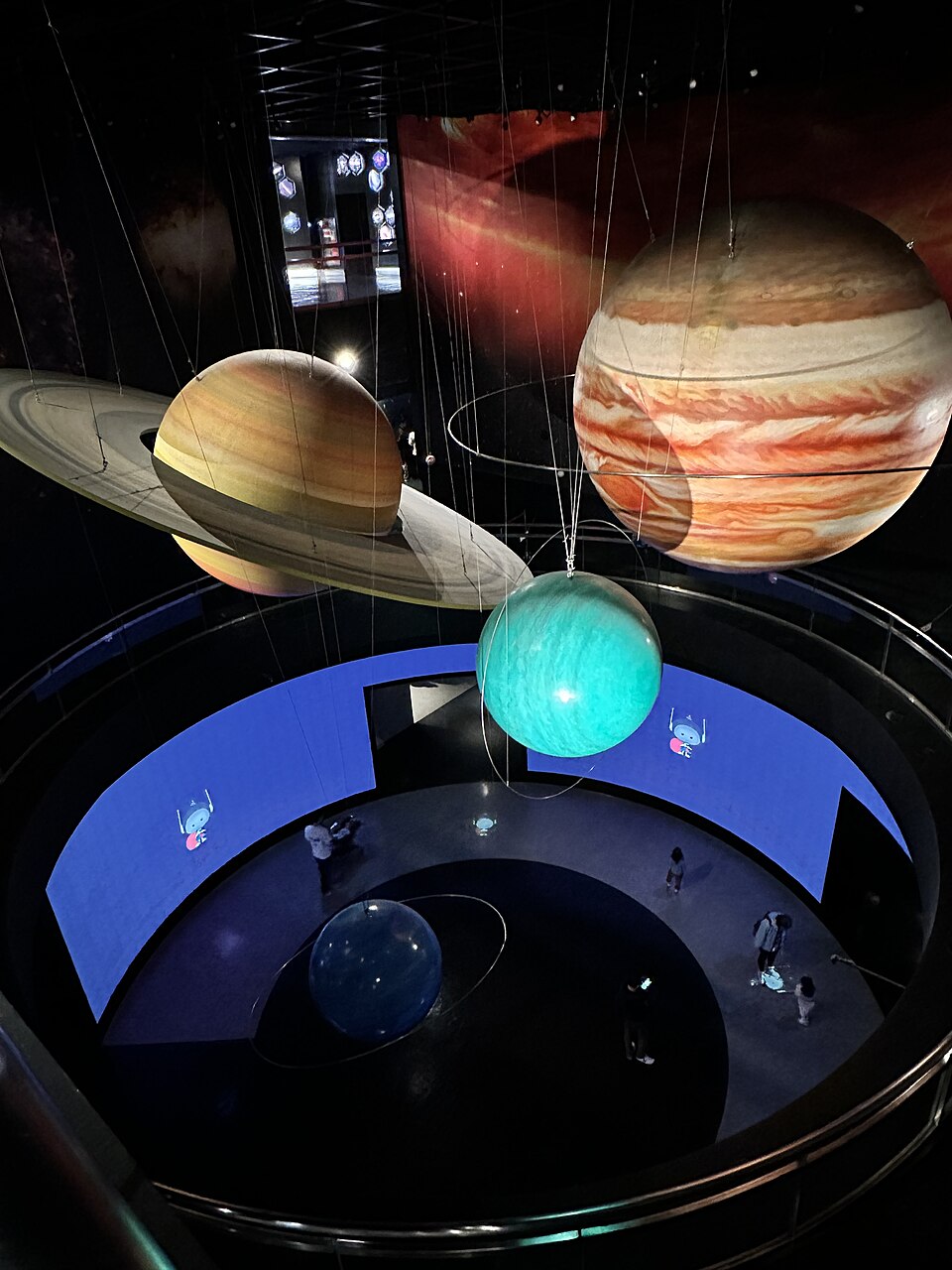
Museums come in many varieties, each focused on a different subject. Art museums display paintings, sculptures, photographs, and other visual artwork, often organized by time period or style. Science museums feature interactive exhibits about topics like physics, biology, and technology, and many include planetariums where visitors can learn about stars and planets. Natural history museums showcase fossils, minerals, animal specimens, and exhibits about ecosystems and evolution. History museums preserve artifacts from the past, such as clothing, documents, weapons, and tools that help us understand how people lived in different eras.
There are also highly specialized museums. Aviation museums display historic aircraft, maritime museums focus on ships and ocean exploration, and children’s museums are specifically designed with hands-on exhibits for younger visitors. Some museums are dedicated to a single topic, like the International Spy Museum in Washington, D.C. or the National Baseball Hall of Fame in Cooperstown, New York.
The Role of Curators
Behind every museum exhibit is a team of professionals, and the curator is one of the most important. Curators are experts who decide which objects to include in the museum’s collection and how to display them so visitors can learn the most. They research each object’s history, write the informational labels you see next to exhibits, and plan special temporary exhibitions that bring in new items for a limited time. Many curators have spent years studying a specific subject, such as ancient Egyptian artifacts or modern photography, and they use that expertise to tell compelling stories through the objects they choose.
Conservation and Preservation
Museums do much more than simply put objects on shelves. Conservation is the careful work of protecting and repairing objects so they survive for hundreds of years. Conservators are trained specialists who clean, stabilize, and sometimes restore damaged items using scientific techniques. Temperature, humidity, and lighting inside museum galleries are carefully controlled because heat, moisture, and ultraviolet light can all cause damage over time. Paintings may be kept behind special glass, and ancient textiles are displayed in low light to prevent fading. This behind-the-scenes work ensures that a 2,000-year-old vase or a 500-year-old painting looks as close to its original condition as possible.
Famous Museums Around the World
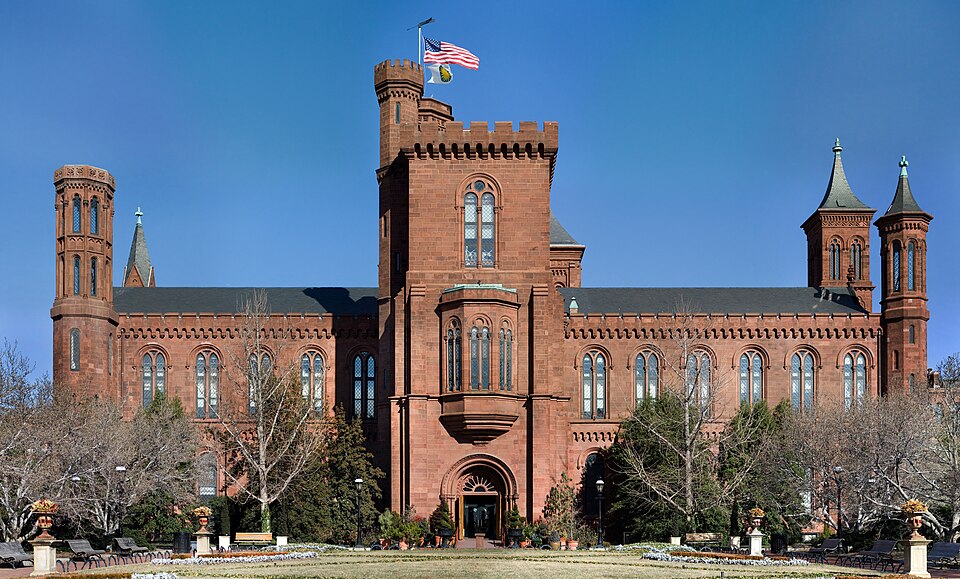
Some museums are world-famous landmarks in their own right. The Louvre in Paris, France is one of the largest and most visited art museums on the planet, home to more than 380,000 objects including the Mona Lisa. The British Museum in London holds artifacts from civilizations across the globe, including the Rosetta Stone. The Smithsonian Institution in Washington, D.C. is not a single museum but a group of 21 museums and galleries, all of which offer free admission. In New York City, the Metropolitan Museum of Art — often called “the Met” — has a collection spanning 5,000 years of art from every corner of the world.
Visiting a Museum
Walking through a museum is an experience quite different from reading a textbook. Objects are displayed in rooms called galleries, usually organized by theme, time period, or region. Each item has a label with information about what it is, when it was made, and why it matters. Many museums also offer audio guides, guided tours led by educators called docents, and interactive digital displays. Most museums ask visitors not to touch the objects, since oils from human skin and even gentle handling can cause damage over time. Photography rules vary — some museums allow photos without flash, while others restrict photography in certain galleries.
Museums in the Digital Age
Technology is changing how museums reach their audiences. Many major museums now offer virtual tours, allowing anyone with an internet connection to explore galleries from home. Museums use digital databases to catalog millions of objects, making it easier for researchers around the world to study their collections. Some museums have added augmented reality features that let visitors point their phone at an exhibit to see additional information, animations, or reconstructions of how an ancient building once looked. These innovations help museums fulfill their mission of education and access, reaching people who may never be able to visit in person.
 OtterKnow Kids Encyclopedia