How Printmaking Works
The basic idea behind all printmaking is the same: you create a design on a surface called a matrix, apply ink to it, and press it onto paper or fabric to transfer the image. The matrix can be made from many materials, including wood, metal, stone, or even a simple piece of linoleum. Different methods of preparing the matrix create different types of prints, each with its own unique look and character. One special thing about printmaking is that the image on the matrix is reversed, like looking in a mirror, so the final print comes out the right way around. Artists often number and sign each print in a series, and a set of prints from one matrix is called an edition.
Relief Printing
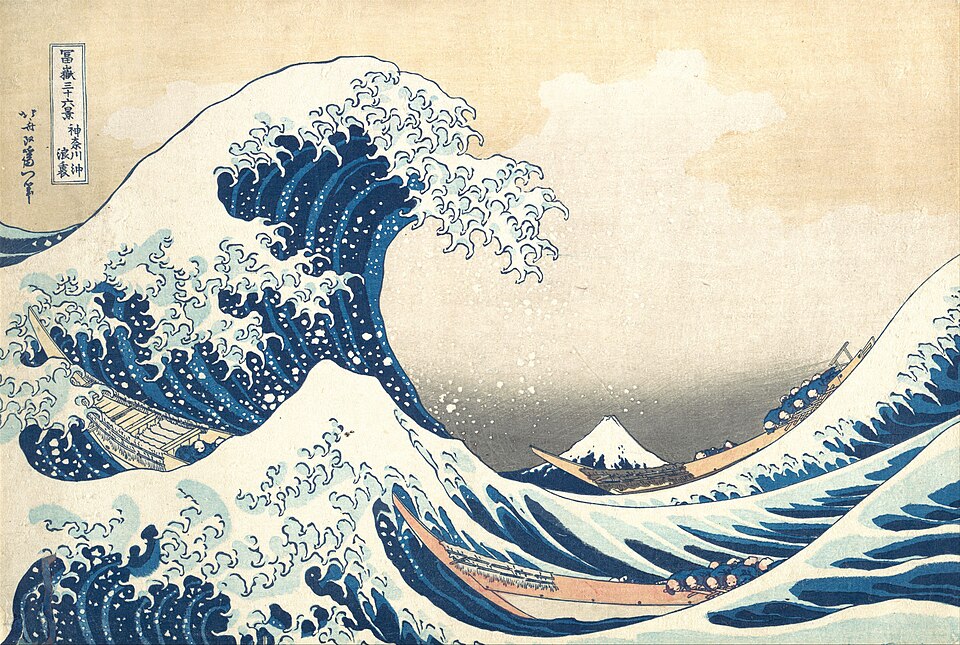
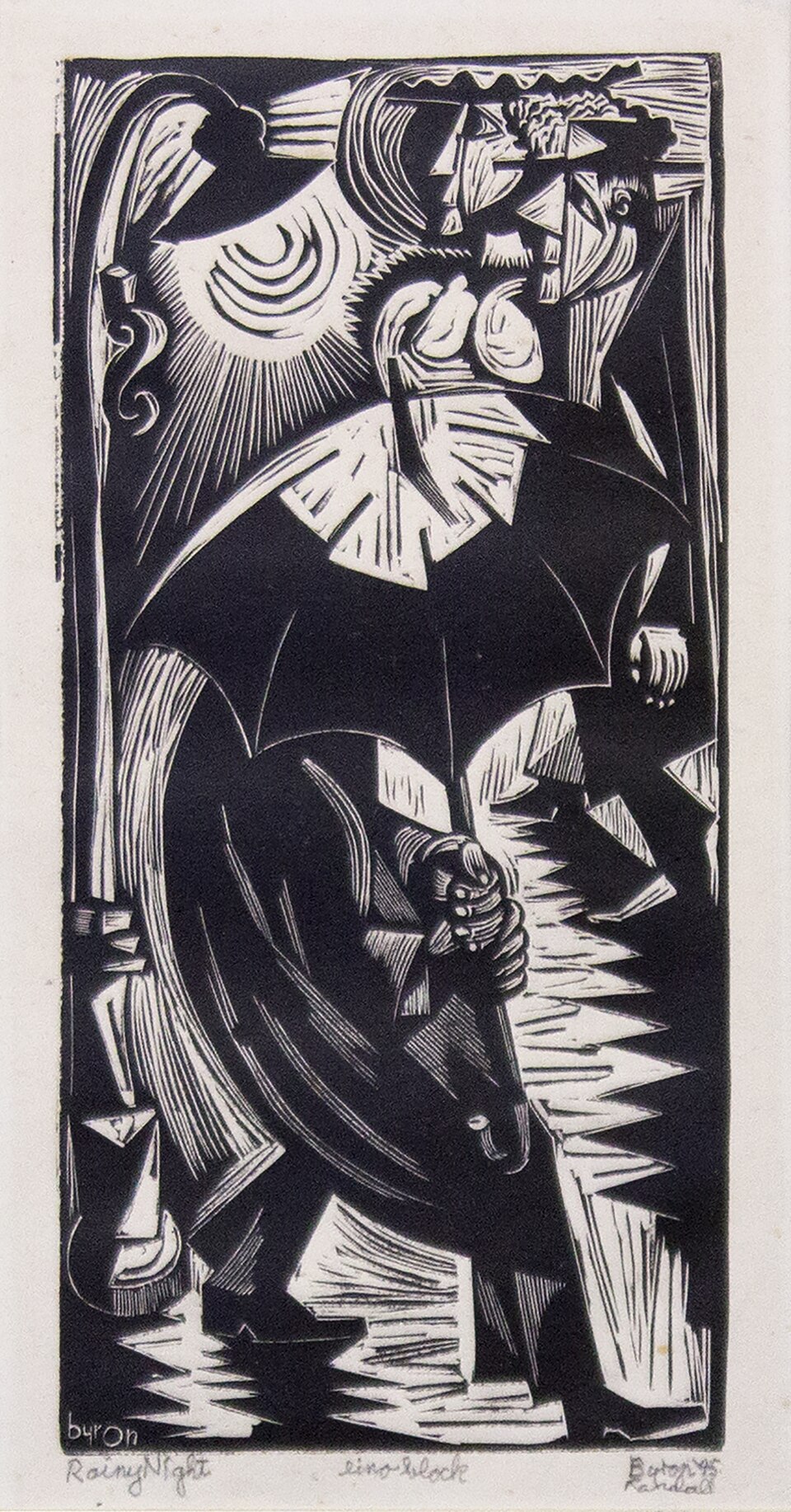
Relief printing is the oldest form of printmaking and the easiest to understand. The artist carves away parts of a flat surface, leaving raised areas that will receive ink, much like a rubber stamp. Woodcut printing, where designs are carved into blocks of wood, was developed in China as early as the 9th century and was used to print books, artwork, and playing cards. Linocut is a popular type of relief printing that uses linoleum instead of wood, and it is easier to carve, making it a great choice for students and beginners. The bold, high-contrast look of relief prints — with strong black shapes against white backgrounds — gives them a striking visual impact.
Intaglio and Lithography
Intaglio is a group of printmaking techniques where the image is cut or etched into a metal plate, and ink is pushed into the grooves rather than sitting on top. The plate is wiped clean so that ink remains only in the lines, and then damp paper is pressed against it with great force to pull the ink out. Etching, engraving, and drypoint are all types of intaglio printing, and they can produce incredibly fine detail. Lithography works on a completely different principle — the artist draws on a flat stone with a greasy crayon, and the ink sticks only to the greasy areas because oil and water do not mix. Lithography was invented in 1796 and became an important method for printing posters, maps, and book illustrations.
Screen Printing and Modern Methods
Screen printing, also called serigraphy, pushes ink through a fine mesh screen that has been blocked in certain areas to create a design. This technique can print on almost any surface, including paper, fabric, glass, and metal, making it extremely versatile. Andy Warhol made screen printing famous in the 1960s with his colorful Pop Art portraits of celebrities and everyday objects like soup cans. Today, most of the printed t-shirts, posters, and stickers you see are made using some form of screen printing. Digital printing has also opened up new possibilities, but many artists still prefer traditional printmaking because of the hands-on process and the unique textures it creates.
Why Printmaking Matters
Printmaking has played a huge role in history by making knowledge and art accessible to ordinary people. Johannes Gutenberg’s invention of movable type printing in the 1440s in Germany led to the mass production of books and helped spread ideas across Europe during the Renaissance. Before printing, books had to be copied by hand, making them incredibly expensive and rare. Printmaking also raised interesting questions about art — if you can make fifty identical prints, is each one an original work of art? Most art experts say yes, and fine art prints are collected and displayed in museums around the world alongside unique paintings and sculptures.
 OtterKnow Kids Encyclopedia