What Is Clay?
Clay is a natural material found in the earth that becomes soft and workable when mixed with water. It gets its special properties from tiny mineral particles that slide over each other when wet, allowing the clay to be molded into almost any shape. There are many types of clay, including earthenware, stoneware, and porcelain, each with different qualities and firing temperatures. The word “terracotta” comes from Italian and means “baked earth,” and it describes the reddish-brown clay used for everything from flower pots to the famous Terracotta Army of ancient China. Once clay is shaped and dried, it must be fired in a special oven called a kiln to become hard and permanent.
Building Techniques
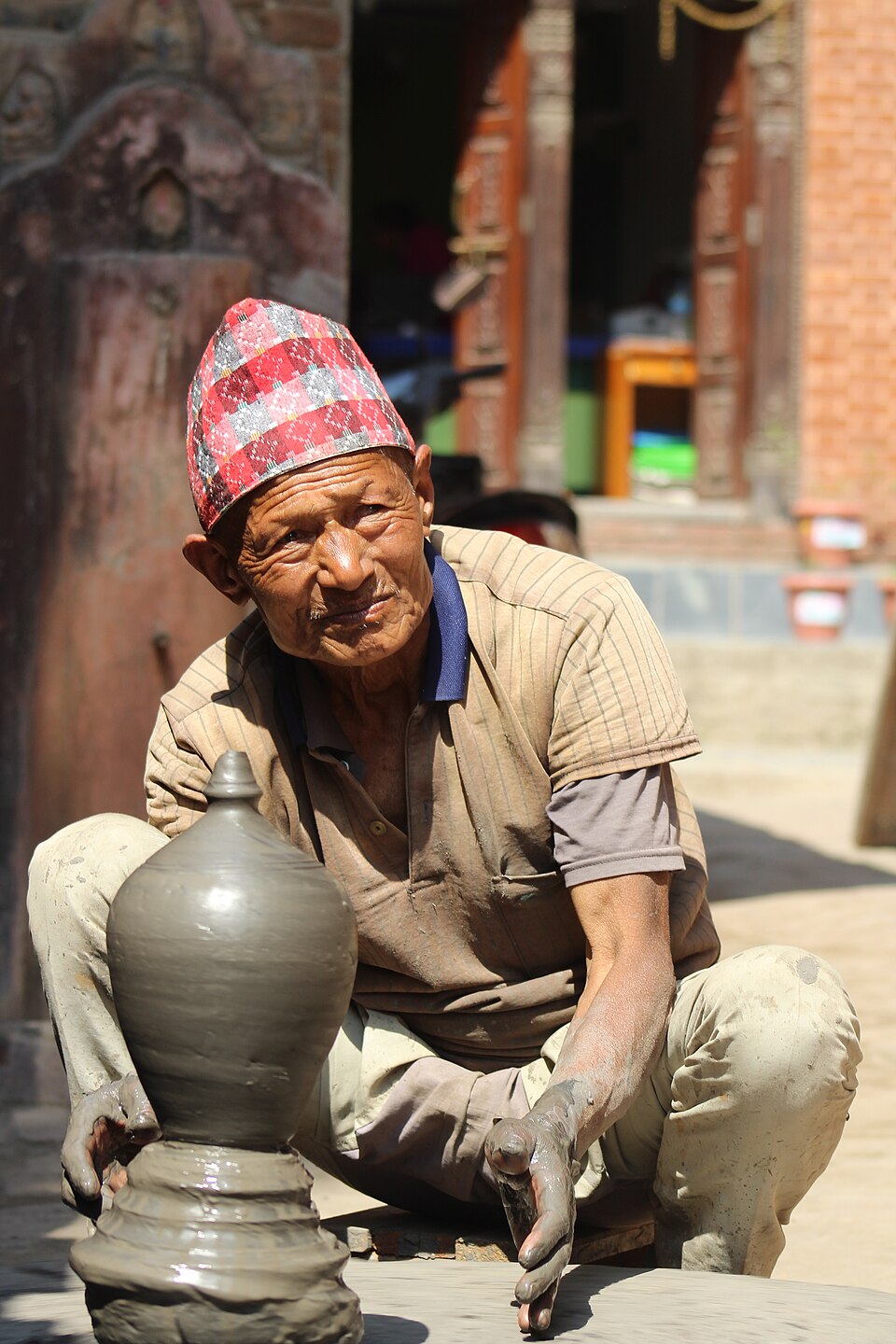
There are several ways to shape clay into a finished piece. Hand-building methods include pinching (squeezing and shaping a ball of clay with your fingers), coiling (stacking ropes of clay to build up walls), and slab construction (cutting and joining flat sheets of clay). The potter’s wheel, invented thousands of years ago, allows artists to spin clay and shape it into perfectly round forms like bowls, cups, and vases. Wheel-throwing takes a lot of practice to master because the clay must be perfectly centered and the pressure of your hands must be steady and controlled. Many potters use a combination of wheel-throwing and hand-building to create their pieces.
Glazing and Firing
After a piece of pottery is shaped and dried, it goes through a process called firing in a kiln, where temperatures can reach over 2,000 degrees Fahrenheit. The first firing, called a bisque fire, hardens the clay and makes it strong but still porous. Then the potter can apply glaze, a liquid coating made from ground minerals and glass that melts during a second firing to create a smooth, often colorful, waterproof surface. Glazes can be glossy, matte, or textured, and their colors sometimes change dramatically during firing. The chemistry of glazes has fascinated potters for centuries, and some ancient glaze recipes were closely guarded secrets.
Pottery Around the World
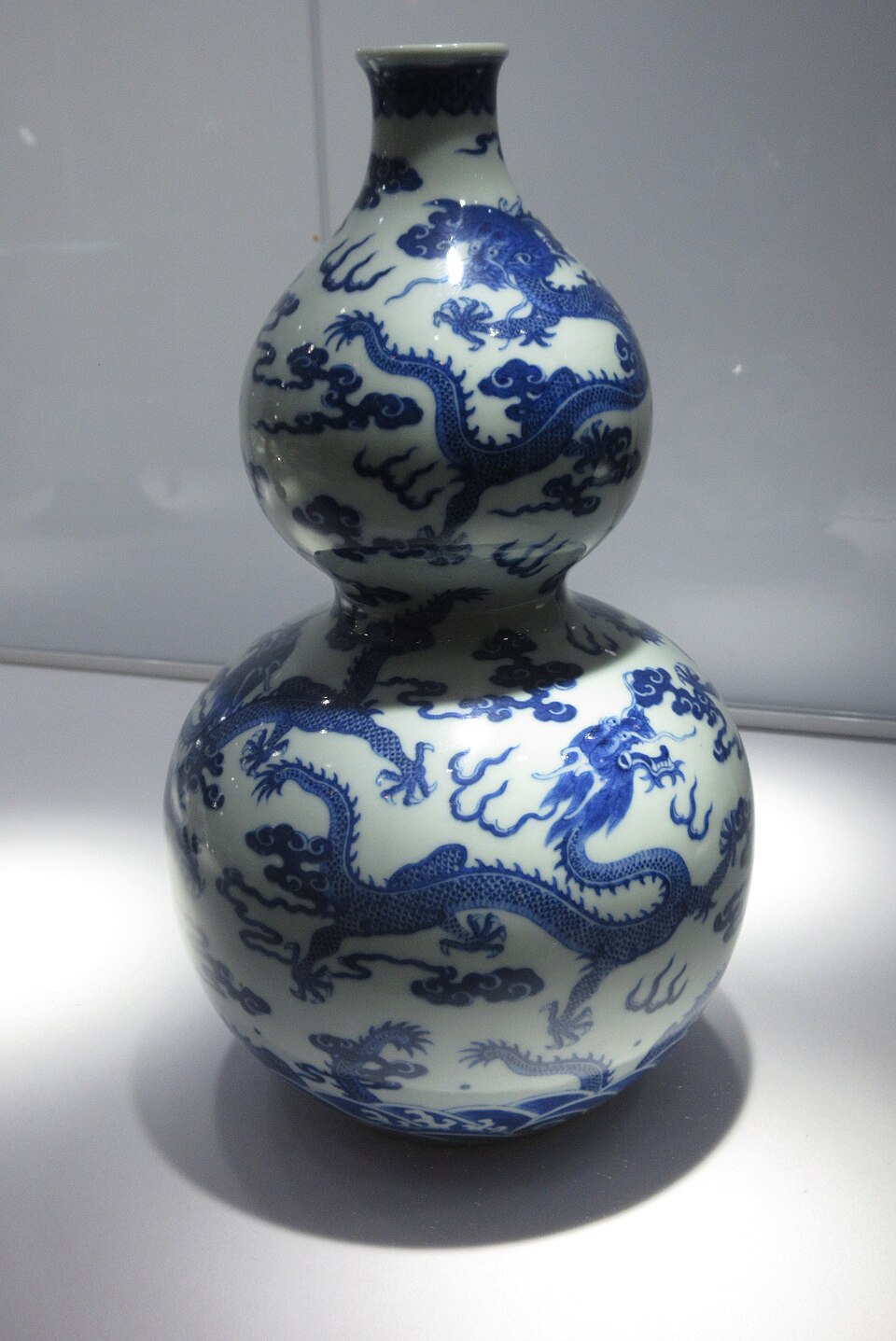
Nearly every culture on Earth has a tradition of pottery-making. Chinese porcelain, made from a special white clay called kaolin, was so prized in Europe that people called it “china” — a name we still use for fine dishes today. Japanese pottery traditions include raku firing and the beautiful practice of kintsugi, where broken pottery is repaired with gold, celebrating the cracks as part of the object’s history rather than hiding them. Ancient Greek pottery featured detailed paintings of myths and daily life that tell us much about their civilization. Native American cultures created stunning pottery with geometric designs and natural pigments, and many of these traditions continue today.
Pottery Today
Modern potters keep finding new ways to work with ceramics. Some artists create functional pottery — mugs, plates, and bowls meant to be used every day — while others make purely artistic pieces for display. Ceramic sculpture has become an important part of contemporary art, with artists creating large-scale installations and abstract forms. Technology has also entered the craft, with some artists using 3D printers to create ceramic pieces in shapes that would be impossible to make by hand. Despite all these advances, there is still something deeply satisfying about sitting at a potter’s wheel and shaping a lump of clay into something beautiful with your own hands.
 OtterKnow Kids Encyclopedia