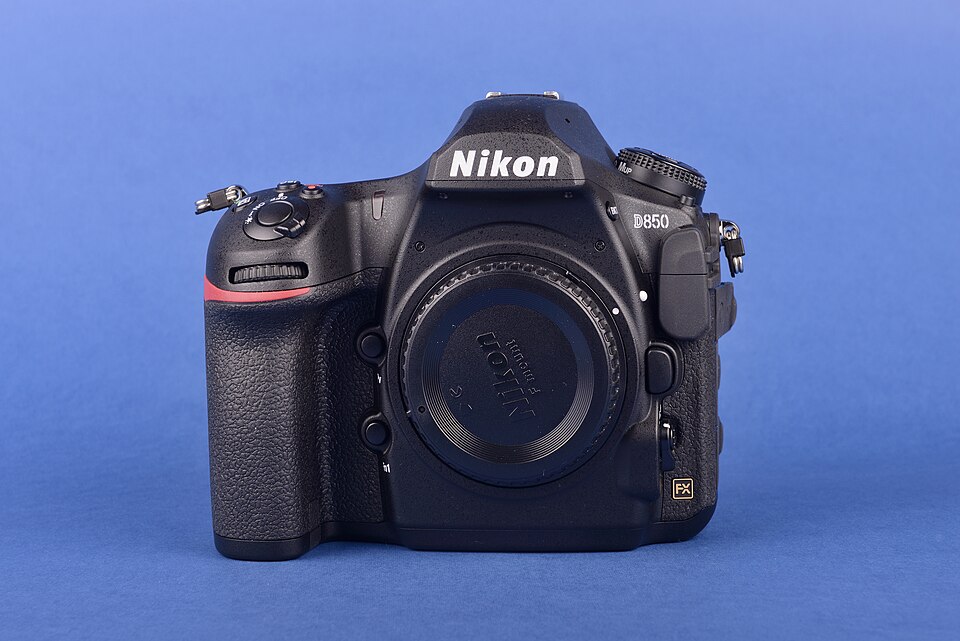
The History of Photography
Before cameras existed, people used a device called a camera obscura, which is a dark box with a tiny hole that projects an image of the outside world onto a surface inside. In 1839, a French inventor named Louis Daguerre announced a process for capturing permanent images on a metal plate, and this is often considered the birth of photography. Early photographs required people to sit completely still for several minutes because the process needed a long time to capture enough light. Over the following decades, cameras became smaller, faster, and more affordable, eventually allowing everyday people to take their own photographs. By the early 1900s, photography had become one of the most important ways to document the world.
Composition and the Rule of Thirds
Taking a great photograph is about more than just pointing and clicking — how you arrange the elements in your frame matters enormously. One of the most helpful guidelines is called the rule of thirds, which means imagining your image divided into a grid of nine equal sections by two horizontal and two vertical lines. Placing your main subject along one of these lines or at a point where they cross often makes a more interesting and balanced photograph. Other composition techniques include leading lines that guide the viewer’s eye through the image and framing your subject using natural elements like doorways or tree branches. These are guidelines rather than strict rules, and sometimes breaking them creates the most powerful images.
Photography That Changed the World
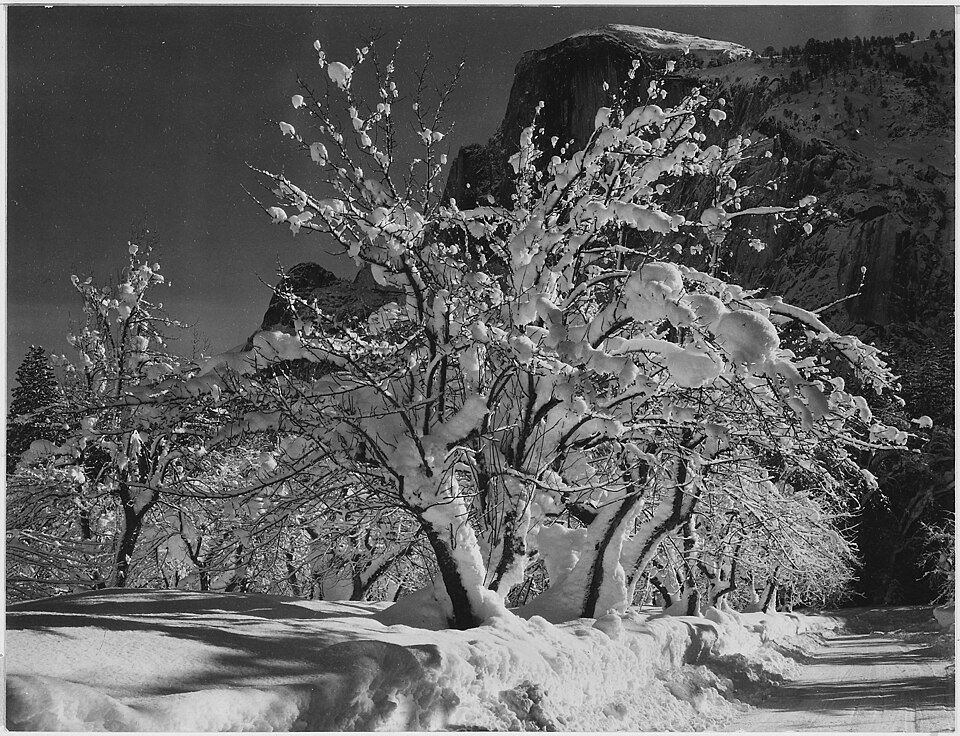
Some photographs have had an enormous impact on history and how people understand important events. Dorothea Lange’s photographs of families struggling during the Great Depression in the 1930s moved the American public and helped bring attention to the crisis. Ansel Adams spent decades photographing the dramatic landscapes of the American West, and his images helped inspire the conservation movement and the protection of national parks. Photojournalists risk their lives to document wars, natural disasters, and social movements so that people around the world can witness what is happening. A single powerful photograph can change public opinion and even influence government decisions.
From Darkrooms to Digital
For most of photography’s history, images were captured on film — a strip of plastic coated with light-sensitive chemicals. Photographers would develop their film in a darkroom using chemical baths to reveal the images, a process that required skill and patience. The digital revolution changed everything when cameras began recording images as electronic data instead of on film. Digital cameras let photographers see their pictures instantly, take thousands of photos without buying film, and edit their images on a computer. Today, smartphone cameras use advanced software to automatically adjust settings like focus, lighting, and color, making high-quality photography accessible to almost everyone.
Photography as Art
While anyone can take a photograph, creating a photograph that stands out as art takes practice, vision, and intention. Art photographers think carefully about light, shadow, color, and emotion before pressing the shutter button. Some photographers specialize in portraits, capturing the personality and feelings of their subjects, while others focus on landscapes, street scenes, or abstract images. Photography is displayed in galleries and museums alongside paintings and sculptures, fully recognized as a fine art form. Whether you use a professional camera or a phone, you can practice photography as an art by paying attention to what you include in your frame and what story you want to tell.
 OtterKnow Kids Encyclopedia