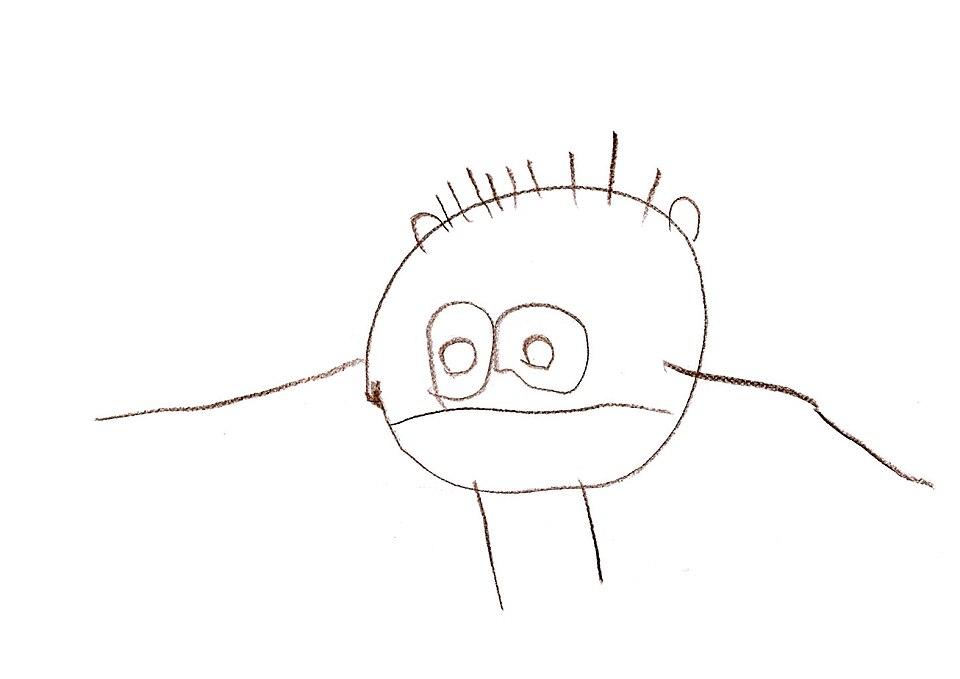
Artists can draw with many different tools, and each one creates a unique look. Pencils are the most common drawing tool and come in different levels of hardness, from light and hard (H) to dark and soft (B). Charcoal makes bold, dark marks and is great for large, expressive drawings, while ink pens create crisp, permanent lines. Colored pencils, pastels, and markers each bring their own qualities to a drawing. Leonardo da Vinci filled thousands of sketchbook pages with drawings using silverpoint, ink, and chalk, exploring everything from human anatomy to flying machines.
Line, Shading, and Perspective
The most basic element of drawing is the line, and artists use different types of lines to create mood and movement. Shading is what makes a flat drawing look three-dimensional, and two common shading methods are hatching (drawing parallel lines) and cross-hatching (overlapping lines in different directions). Perspective is a technique that makes objects appear to get smaller as they move farther away, creating the illusion of depth on a flat surface. Artists during the Renaissance were the first to master mathematical perspective, which changed drawing forever. Even simple changes in line thickness and spacing can dramatically affect how a drawing feels.
Drawing from Observation
Drawing what you see in front of you is called observational drawing, and it is one of the best ways to train your eye and hand to work together. A popular exercise called blind contour drawing asks you to draw an object without looking at your paper, which helps you really pay attention to shapes and edges. Gesture drawing is another useful practice where you quickly sketch a figure or object in just a minute or two to capture its overall movement and energy. Many art teachers say that learning to draw is really about learning to see. The more you practice observing the world around you, the better your drawings will become.
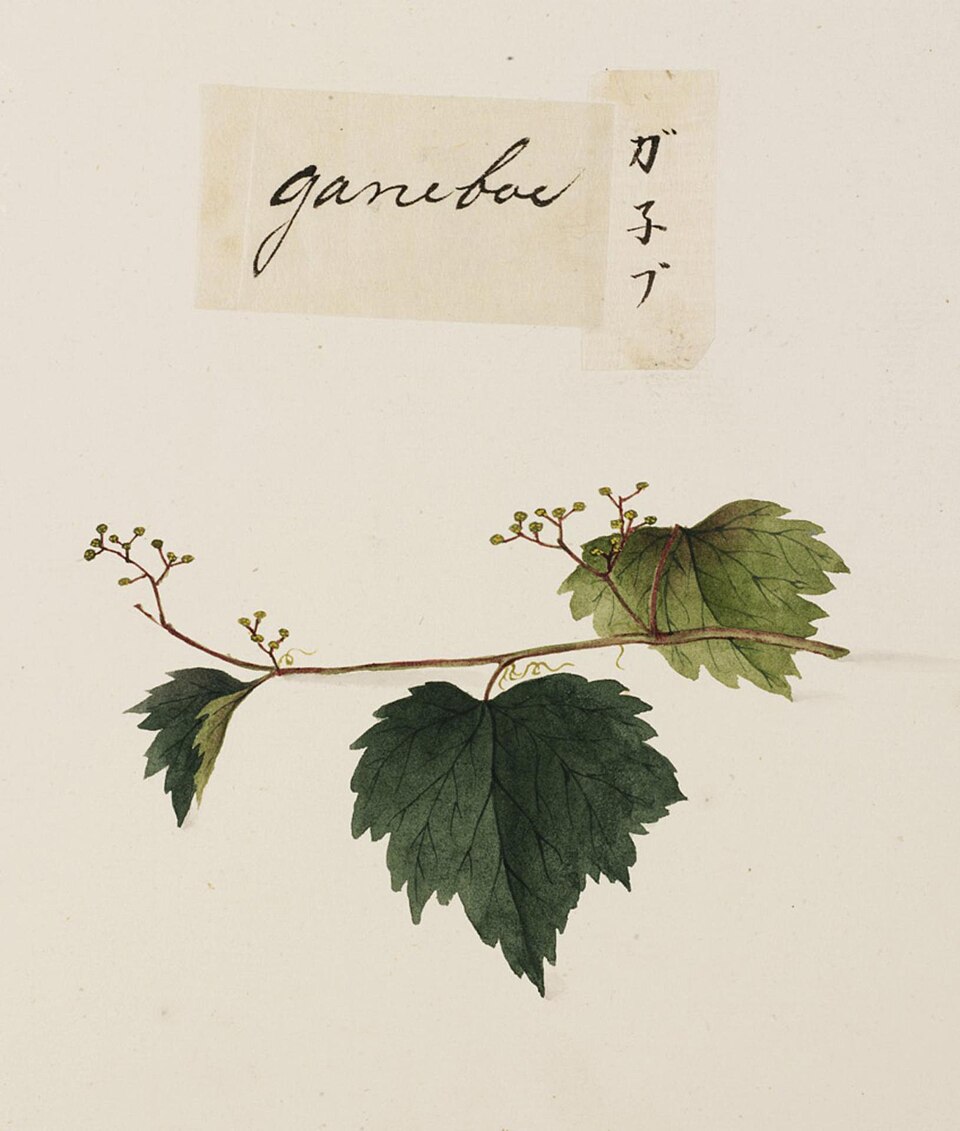
Illustration is drawing that is created to go along with a story, article, or idea. Book illustrators bring characters and worlds to life, from picture books for young children to graphic novels for older readers. Scientific illustrators create detailed, accurate drawings of plants, animals, and body systems that help people learn. Editorial illustrators draw images for newspapers, magazines, and websites that communicate ideas quickly. Graphic novels and comics have become recognized as a serious art form, combining illustration and storytelling in powerful ways.
Getting Better at Drawing
One of the best things about drawing is that anyone can improve with regular practice. Keeping a sketchbook and drawing a little bit every day helps build confidence and skill over time. It is helpful to start with simple shapes and build up to more complex subjects as you grow more comfortable. Copying artwork you admire is a time-honored way to learn techniques, as long as you give credit to the original artist. Remember that every professional artist started as a beginner, and mistakes are a natural and valuable part of the learning process.
 OtterKnow Kids Encyclopedia