What They Look Like
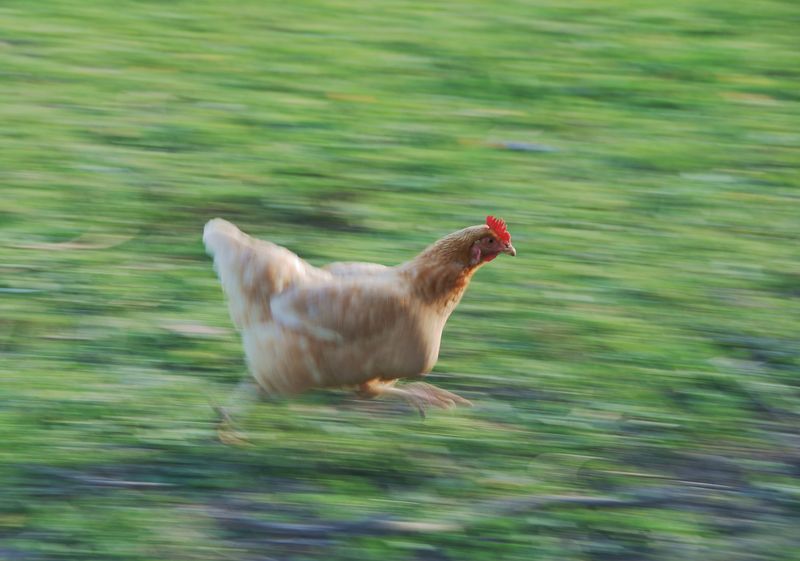
Chickens come in an incredible variety of shapes, sizes, and colors, but they all share some basic features. They have sturdy bodies covered in feathers, two legs with scaly feet, short rounded wings, and a beak with no teeth. On top of their heads sits a fleshy red crest called a comb, and below their beaks hang two red flaps of skin called wattles. Male chickens, known as roosters, are usually larger and more colorful than females (called hens), with longer tail feathers and bigger combs. Depending on the breed, a chicken can weigh anywhere from less than half a kilogram to over 5 kilograms (about 1 to 11 pounds).
A Social Hierarchy
Chickens are social animals that live in flocks with a strict ranking system. In fact, the everyday English phrase “pecking order” was coined by scientists studying chickens in the 1920s, because higher-ranked birds literally peck at lower-ranked ones to keep them in line. Every flock has a dominant rooster at the top, followed by the top-ranked hen, and so on down to the lowest member. This pecking order decides who gets to eat first, who gets the best roosting spot, and who stays on the edges of the group. Chickens also show empathy toward each other: research has found that mother hens become distressed when they see their chicks in an uncomfortable situation, even if the hens themselves are not affected.
Where They Come From

All domestic chickens descend from the red junglefowl, a wild bird that still lives in the forests of Southeast Asia. Scientists believe that humans first domesticated chickens around 8,000 years ago in what is now Thailand or southern China. Early chickens may have been kept for cockfighting or for religious ceremonies before people began raising them for eggs and meat. From Asia, chickens spread along ancient trade routes to India, the Middle East, Africa, and eventually Europe. By the time European explorers reached the Americas in the 1400s and 1500s, they brought chickens with them, and today chickens are found on every continent except Antarctica.
Eggs
One of the most remarkable things about chickens is their ability to lay eggs. A healthy hen can produce about 250 to 300 eggs per year, laying roughly one egg every 25 to 27 hours. Egg colors vary by breed: most chickens lay white or brown eggs, but some breeds, like the Araucana, lay blue or green eggs. The color of the shell has nothing to do with the egg’s taste or nutrition. Inside the egg, a developing chick takes about 21 days to hatch if the egg has been fertilized, but most eggs sold in grocery stores are unfertilized and will never become chicks.
Breeds and Varieties
Over thousands of years of selective breeding, humans have created hundreds of chicken breeds, each with its own special traits. Some breeds, like the White Leghorn, are champion egg layers and can produce more than 300 eggs per year. Others, like the Cornish Cross, have been bred to grow large quickly for meat production. Dual-purpose breeds such as the Plymouth Rock and Rhode Island Red are valued for both eggs and meat. Then there are ornamental breeds kept mainly for their striking appearance, like the Silkie with its fluffy, fur-like feathers or the Polish chicken with its pom-pom-shaped crest of feathers on its head.
Chickens on Farms
Chickens are the most widely farmed animal in the world. On small farms and in backyard flocks, chickens often roam freely during the day, scratching at the ground for insects, seeds, and worms before returning to their coop at night. Large-scale commercial farms may house thousands of chickens in climate-controlled buildings where their food and water are carefully managed. Free-range and pasture-raised farming systems aim to give chickens more outdoor space and a more natural lifestyle. Regardless of the system, chickens need shelter from predators like foxes and hawks, clean water, nutritious feed, and a safe place to roost and lay their eggs.
Chickens Are Smarter Than You Think
Scientists have discovered that chickens are far more intelligent than most people realize. They can recognize over 100 individual faces, including those of other chickens and humans. Chickens have been shown to understand that an object still exists even when it is hidden from view, a concept called object permanence that human babies do not develop until several months of age. Mother hens teach their chicks what is safe to eat, and chickens use at least 30 different vocalizations to communicate, including distinct alarm calls for predators approaching from the sky versus the ground. Studies have also shown that chickens can plan ahead and exercise self-control, choosing to wait for a larger food reward rather than eating a smaller one right away.
Chickens and People
The relationship between chickens and people stretches back thousands of years and touches nearly every culture on Earth. Chickens provide eggs and meat that feed billions of people, making them one of the most important sources of protein worldwide. In many countries, keeping a small flock of backyard chickens has become popular again as families enjoy fresh eggs and the companionship these birds offer. Chickens also appear throughout human culture, from the rooster as a symbol of the dawn to chicken-themed idioms like “don’t count your chickens before they hatch.” As scientists continue to learn more about how smart and social chickens really are, many people are gaining a new respect for this familiar farmyard bird.
 OtterKnow Kids Encyclopedia