What They Look Like
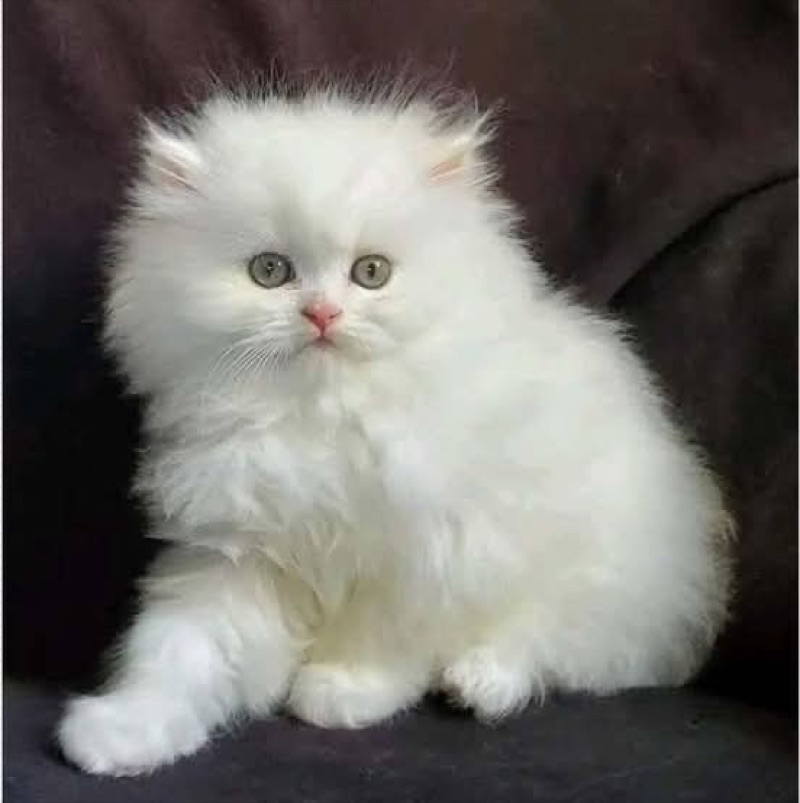
Persians are medium-sized cats with stocky, muscular bodies set low on short, thick legs. They typically weigh between 3 and 5.5 kilograms (7 to 12 pounds), with males being somewhat larger than females. Their most eye-catching feature is their luxurious coat, which is long, dense, and silky and can grow several inches in length. Persian cats come in an enormous range of colors, including white, black, blue, red, cream, chocolate, and lilac, as well as patterns like tabby, calico, bicolor, and colorpoint. Their large, round eyes are often a vivid copper or deep blue, depending on the coat color, and they sit wide apart on a broad, round face that gives the Persian its famously sweet expression.
The Flat Face
One of the most distinctive things about the Persian cat is its flat, pushed-in face, which veterinarians call brachycephalic. This feature developed over many decades of selective breeding, as breeders favored cats with shorter and shorter noses. While many people find the flat face adorable, it can cause some health challenges. The shortened nasal passages make it harder for Persians to breathe, especially in hot or humid weather, and their large eyes are more exposed, which can lead to tear staining and discharge. Some breeders have chosen to raise “doll-face” or “traditional” Persians, which have longer noses closer to the breed’s original appearance. These traditional Persians tend to have fewer breathing and eye problems while still keeping the breed’s beautiful coat and gentle personality.
A Long History
The Persian cat’s story stretches back centuries to the region once known as Persia, which is the modern-day country of Iran. Italian traders first brought long-haired cats from Persia to Europe in the early 1600s, and the cats quickly became prized possessions among European nobility. Queen Victoria of England was one of the breed’s most famous early admirers, and her fondness for blue Persians helped make them fashionable across the British Empire. The breed was among the first to be formally shown at the world’s first organized cat show, held at London’s Crystal Palace in 1871. Persians arrived in the United States in the late 1800s and rapidly became one of the country’s favorite breeds, a position they have held for well over a century.
Personality
Persians are often described as the calmest and most laid-back of all cat breeds. They are quiet cats that rarely meow loudly, preferring to communicate with soft, musical voices and gentle expressions. Unlike the Maine Coon, which loves to explore and play in water, Persians are happiest in a peaceful indoor environment where they can nap in a sunny spot or sit gracefully on a favorite piece of furniture. They form strong bonds with their owners and enjoy being petted and held, but they are not overly demanding of attention. Persians are also very gentle with children and tend to get along well with other calm pets, making them excellent companions for families who prefer a more relaxed household.
Grooming Needs
Owning a Persian cat means committing to a serious grooming routine. Their long, thick coat tangles and mats easily, so most Persian owners brush their cat every single day using a wide-toothed metal comb followed by a softer brush. Without regular grooming, the fur can become painfully matted close to the skin, which may require a veterinarian to shave it off. Persians also need their faces wiped daily because their flat facial structure causes tears to collect in the folds around their eyes, leaving reddish-brown stains on lighter-colored fur. Many owners bathe their Persians once a month to keep the coat clean and free of oils. While the grooming commitment is greater than for short-haired breeds like the tabby, many Persian owners say the daily brushing sessions become a relaxing bonding ritual they both enjoy.
Persian Cats as Pets
Persians thrive as indoor cats and do best in calm, predictable environments. They are not big jumpers or climbers, so they do not need tall cat trees the way some more athletic breeds do. Instead, they appreciate soft bedding, low perches near windows, and cozy hiding spots where they can retreat when they want privacy. Because they are not particularly active, Persian owners should watch their cat’s diet carefully to prevent obesity, which can lead to joint stress on their short legs. Persians are a wonderful choice for apartment living since they are quiet and do not need a large amount of space to be happy. Their patient, tolerant nature also makes them one of the best breeds for families with young children who are learning how to handle pets gently.
Health Considerations
Like many purebred cats, Persians are prone to certain inherited health conditions that owners should be aware of. The most common is polycystic kidney disease, or PKD, a genetic condition in which fluid-filled cysts slowly grow inside the kidneys and can eventually lead to kidney failure. Responsible breeders test their cats for the PKD gene and only breed cats that are free of it. Persians can also develop hypertrophic cardiomyopathy, a thickening of the heart muscle, and progressive retinal atrophy, which gradually reduces their vision over time. Their brachycephalic faces make them more vulnerable to upper respiratory infections and dental problems caused by crowded teeth. With proper veterinary care, a healthy diet, and daily grooming, most Persians live between 12 and 17 years.
 OtterKnow Kids Encyclopedia