What They Look Like
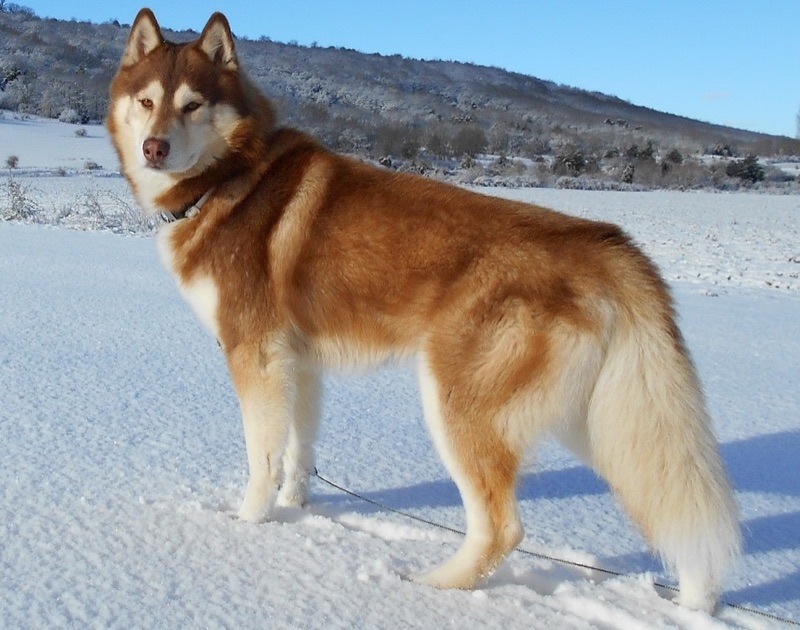
Siberian Huskies are medium-sized dogs that typically weigh between 35 and 60 pounds and stand about 20 to 24 inches tall at the shoulder. One of their most famous features is their eyes, which can be bright blue, brown, amber, or even one of each color — a trait called heterochromia. Their ears are triangular and stand straight up, giving them an alert, curious expression. Huskies have a graceful, athletic build with a long, bushy tail that curls over their back, which they sometimes wrap around their face like a blanket when sleeping in the snow. Their fur comes in a wide variety of colors and patterns, including black and white, gray and white, red and white, and solid white.
Built for Cold
Everything about the Siberian Husky’s body is designed for surviving extreme cold. They have a thick double coat made up of a dense, soft undercoat that traps warm air close to the skin and a longer outer coat that repels wind and moisture. Their almond-shaped eyes can squint against blowing snow and harsh glare, and their compact, furry ears lose very little body heat. Even their paws act like natural snowshoes — the fur between their toes provides insulation and grip on ice. Huskies can comfortably work and sleep in temperatures as low as minus 60 degrees Fahrenheit, making them one of the most cold-adapted dog breeds on Earth.
History and the Chukchi
The Siberian Husky was developed over 4,000 years ago by the Chukchi people, an Indigenous group living along the coast of the Chukchi Peninsula in northeastern Siberia. The Chukchi relied on their dogs not just for pulling sleds across vast stretches of frozen tundra, but also as warm sleeping companions for their children on frigid nights. They carefully bred their dogs to be strong enough to haul loads over long distances while eating relatively little food, a crucial trait in a land where resources were scarce. The Chukchi treated their huskies as valued members of the family, and this close bond helped shape the breed’s famously friendly and trusting temperament. When traders and explorers from other parts of the world encountered these dogs, they were amazed by their speed, stamina, and gentle nature.
Sled Dogs
Siberian Huskies are natural-born runners that can travel great distances at moderate speeds without tiring easily. A well-trained team of huskies can pull a loaded sled at around 10 to 12 miles per hour for hours on end, covering more than 100 miles in a single day. Unlike many other dog breeds, huskies tend to howl rather than bark, and a team on the trail can sound like a chorus of wolves echoing across the snow. Sled dogs work together in carefully organized teams, with the smartest and most experienced dogs placed at the front as lead dogs to guide the rest. Mushing, the sport of dog-sled racing, remains popular today in Alaska, Canada, Scandinavia, and Russia, keeping the husky’s working heritage alive.
The 1925 Nome Serum Run
One of the most famous chapters in husky history took place in January 1925, when a deadly outbreak of diphtheria threatened the remote town of Nome, Alaska. The nearest supply of life-saving antitoxin serum was in Anchorage, nearly 1,000 miles away, and brutal winter storms had grounded all aircraft and frozen the port. Officials organized a desperate relay of 20 sled dog teams to carry the serum across the frozen Alaskan wilderness in a race against time. The final leg was run by a team led by a black-and-white husky named Balto, who guided his team through a blinding blizzard and temperatures of minus 40 degrees to deliver the medicine. The relay covered 674 miles in just five and a half days, and Balto became a national hero — a bronze statue of him still stands in New York City’s Central Park.
Huskies as Pets
Siberian Huskies have become one of the most popular pet breeds in the United States, but they are not the right dog for every family. They are incredibly energetic and need plenty of exercise — at least one to two hours of vigorous activity every day — or they can become bored and destructive. Huskies are known escape artists who can jump fences, dig under barriers, and even open simple latches, so they require secure yards and careful supervision. On the positive side, they are wonderfully friendly dogs that rarely show aggression toward people, making them poor guard dogs but excellent companions. They are also remarkably clean animals with very little doggy odor, and they groom themselves much the way cats do.
Huskies Today
Today, Siberian Huskies are celebrated around the world in sled dog competitions, the most famous being the Iditarod Trail Sled Dog Race, a grueling 1,000-mile race across Alaska held every March. While purebred Siberian Huskies are sometimes outpaced by specially bred Alaskan Huskies in top-level racing, they remain beloved for their beauty, endurance, and spirit. Huskies have also served as working dogs in Arctic expeditions, search-and-rescue operations, and even as therapy dogs in hospitals and schools. The breed’s popularity on social media has surged in recent years, with many husky owners sharing videos of their dogs’ dramatic howling and playful antics. From the frozen trails of Siberia to living rooms around the globe, the Siberian Husky remains one of the most recognized and loved dog breeds in the world.
 OtterKnow Kids Encyclopedia